The best photo trip in Europe rarely comes from ticking off the most famous landmark. It comes from finding a...
Share This Article
The best photo trip in Europe rarely comes from ticking off the most famous landmark. It comes from finding a city where good light, varied subjects, walkable routes and an easy social base fit together, so you can shoot at dawn and still have somewhere welcoming to go afterwards.
That matters to British travellers. UK residents made 86.2 million trips abroad in 2023, with 77% of them, or 66.7 million trips, going to Europe, according to the UK Parliament briefing on overseas travel. Europe is the natural short-break choice, but a photography weekend still works best when you plan around light rather than crowds.
This guide ranks 8 of the best places for photos in Europe in cities where St Christopher’s Hostels are present. The focus is practical, from pre-dawn viewpoints and realistic crowd expectations to compact walking routes, weather protection and budget-conscious ways to meet people after a day alone with your camera. Booking direct can also add useful value, including a free welcome drink and 25% off food at relevant bars throughout your stay.
If you’re building a wider content or travel-planning project, this guide on how to write AI content is a useful reference for shaping practical, reader-first material.
1. Sacré-Cœur Basilica and Montmartre, Paris
Paris earns its place at the top because Montmartre gives you several kinds of photograph within a compact, atmospheric neighbourhood. Sacré-Cœur sits above the city, its white Romano-Byzantine dome catching warm light at sunrise, while the steps below open towards a wide Paris skyline with the Eiffel Tower often visible in the distance.
Arrive around 7am for clearer skies and quieter steps. The first light is especially useful for silhouettes, with the dome outlined against soft pink or orange tones. Work through the scene rather than taking one postcard frame. Start at ground level for the basilica, move to the steps for the city view, then turn into the surrounding streets for stonework, cafés and everyday Montmartre life.
Practical rule: Give yourself several levels of composition. The strongest frame may include visitors in the foreground, the steps in the middle distance and the city beyond.
A wide-angle lens suits the skyline and architecture, while a telephoto lens helps isolate mosaics, rose windows and ornate details. Black and white can work beautifully here because the dome, steps and sky create strong tonal contrast.
Rue Lepic and Place du Tertre offer more character once the main viewpoint becomes busy. Ask before making close portraits of artists or residents, and don’t treat the neighbourhood as a stage set. St Christopher’s Canal and Gare du Nord locations give solo travellers central bases for returning after an early shoot, with Paris’s walkable districts and metro links making it possible to cover more without paying for constant taxis.
2. Museum Island and Mitte District, Berlin
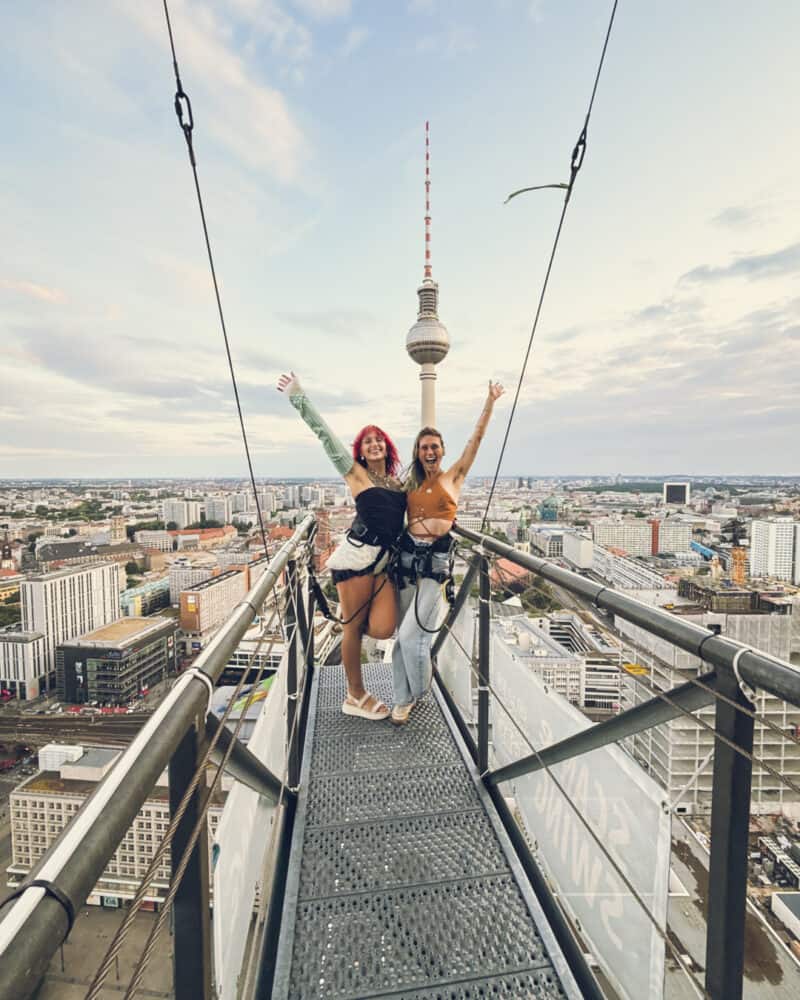
Berlin rewards photographers who like contrast. Museum Island places neoclassical façades, domes and the Spree in one walkable area, while Mitte adds historic Prussian buildings, GDR-era structures, contemporary design and street-level textures.
Begin across the river near Schlossplatz, where the water can reflect the cathedral dome and surrounding architecture. A wide-angle lens handles the grand façades, but a telephoto or macro lens is more useful for capitals, restoration marks, weathered stone and small visual details that most visitors walk past. Visitors moving through a symmetrical frame can provide scale without becoming the subject.
The most productive light comes early or late, when warm walls sit against cooler shadows. The Bode Museum is particularly effective at sunset, with its dome making a clean silhouette. After the main monuments, explore Auguststrasse and Torstrasse for cafés, cycling, galleries and a less concentrated tourist atmosphere.
Build contrast into the frame
Berlin’s best images often place different eras together. Look for a historic façade behind a modern resident on a bicycle, or contemporary street art beside older masonry. Bridges along the Spree create layered viewpoints, with water, architecture and people occupying separate planes.
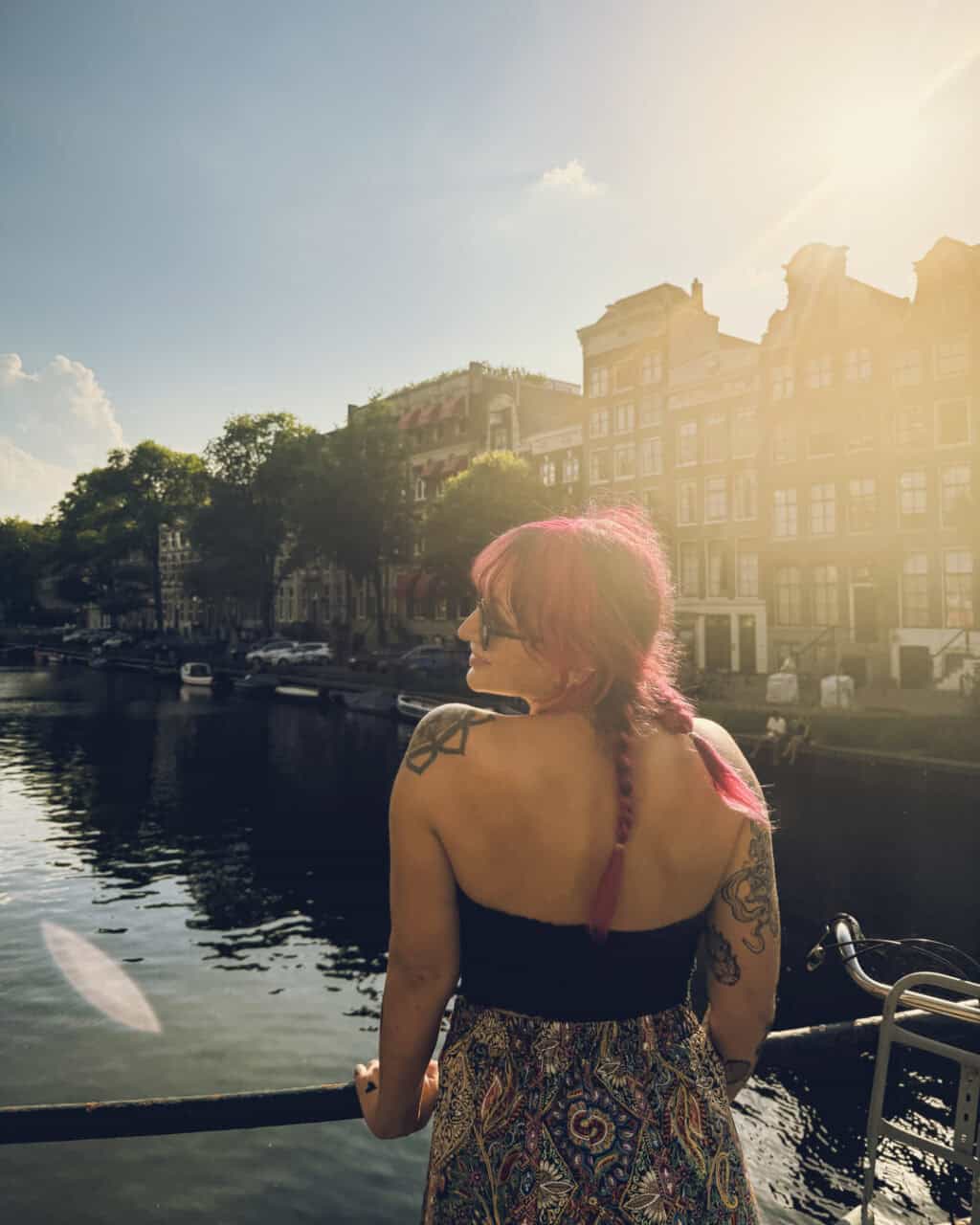
Amsterdam is less about one perfect viewpoint and more about an endless sequence of changing angles. The canal system gives you reflections, bridges, gabled merchant houses, bicycles and boats, while the concentric streets let you walk for hours and keep finding new compositions.
Before 7am, the water is often at its calmest and the streets are less pressured by visitors. Start with a wide canal view, then switch to details such as door frames, window boxes, house numbers and ornamental stonework. A wide-angle lens works for bridge geometry, while a telephoto lens isolates one narrow house from the row around it.
The Magere Brug makes a strong sunrise or sunset silhouette. For a quieter session, head into the Jordaan, where smaller canals, antique shops and residential streets offer more local texture than the busiest central routes. Reflections reward a low viewpoint, but use a polarising filter carefully because removing every reflection can also remove the atmosphere that makes the water interesting.
Photograph people respectfully
Daily life gives Amsterdam its scale and movement. Cyclists crossing a bridge can lead the eye through a frame, while boats add another layer. In the Red Light District, keep a respectful distance and don’t photograph people without consent. The same courtesy applies in residential streets, markets and cafés.
After dark, the social setting can be as useful as the location itself. Amsterdam’s canals are among Europe’s most reliable photography subjects, but they work best when you slow down and follow the smaller streets instead of repeating the same central postcard.
4. Sagrada Família and the Gothic Quarter, Barcelona
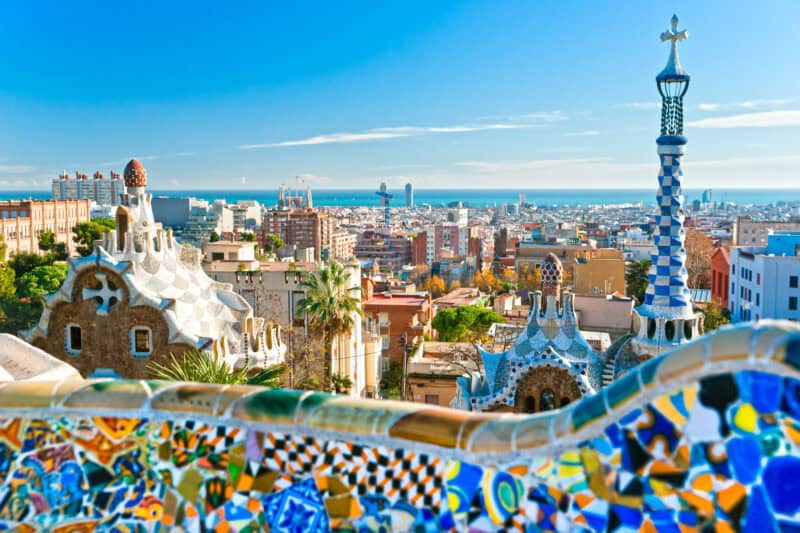
Barcelona offers a strong photography day because the city can move from organic modernism to medieval stone within one compact itinerary. Start at Sagrada Família before the crowds build. The basilica’s towers and sculptural surfaces change character as the sun moves, so the timing of your visit matters more than just arriving with a wide lens.
The Nativity Facade faces northeast and suits early morning, when warm side light reveals carved detail. The Passion Facade is better later in the day, when lower light rakes across its sharper forms. A wide-angle lens handles the full basilica, while a 50mm prime or macro lens lets you work with spires, stone textures and small architectural patterns.
Arrive around 6:30am if you want a clean exterior frame and softer light. One pre-dawn shot can be more rewarding than hours spent fighting midday footfall. When the basilica becomes busy, walk towards the Gothic Quarter, roughly 15 minutes away on foot, and use the narrower streets to change the visual rhythm.
Chase texture, not only landmarks
Carrer del Bisbe and Carrer de la Palla offer atmospheric passages, layered façades and strong pockets of light. Barcelona Cathedral gives you another subject when Sagrada Família is crowded, with ribbed vaulting, stained glass and detailed stonework. Wet paving can create warm reflections after rain, while graffiti beside old walls gives the city a useful ancient and contemporary contrast.
A short visual reference can help you study the basilica’s forms before visiting.
5. Tower Bridge and South Bank, London
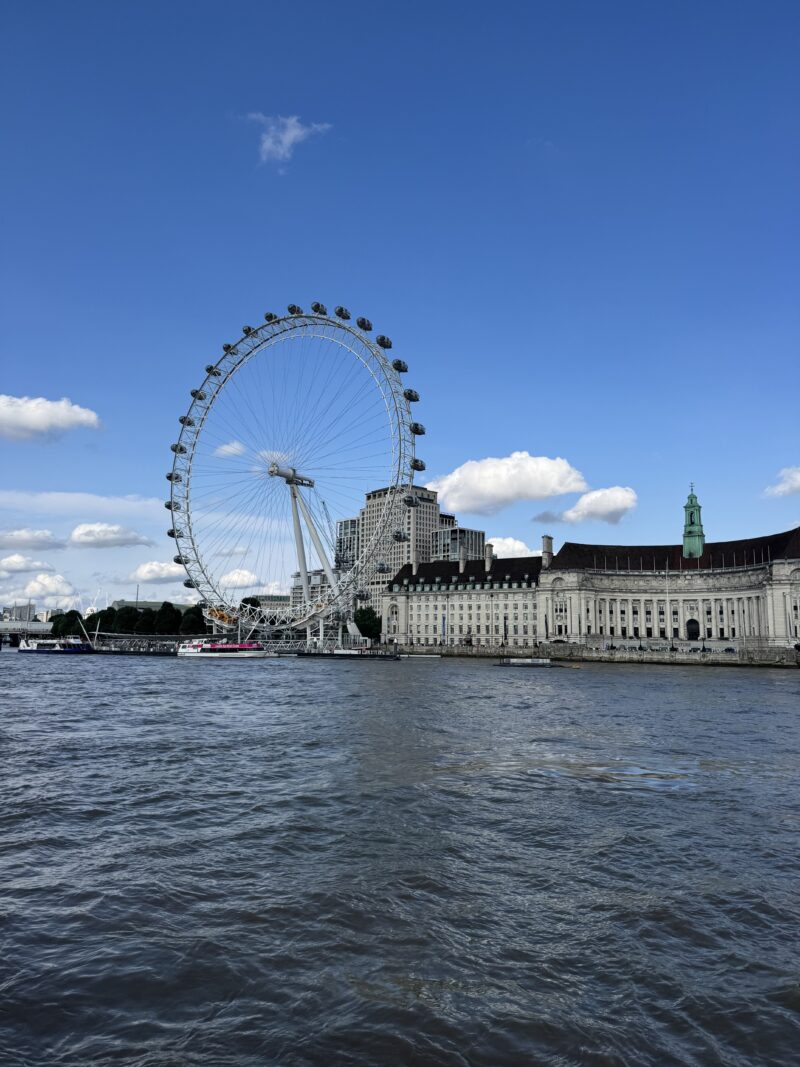
Tower Bridge earns its place among Europe’s strongest city photo stops because one landmark supports a full day of varied viewpoints. The Thames offers leading lines and reflections, while South Bank brings street performers, modern buildings, markets and river traffic. You can move from Victorian engineering to contemporary London on foot, keeping transport simple from a central, social base.
Start between 5:30am and 7am for quieter embankments, softer directional light and calmer water. From the south bank near City Hall, face north and use the curved glass buildings as foreground interest. Continue west along the Thames Path towards London Bridge for industrial textures, changing angles and broader river scenes.
Work the bridge from both sides
A wide-angle lens records the full span and its setting. A telephoto lens compresses the towers, cables and distant traffic, producing a more graphic frame than the familiar full-bridge composition. Evening golden hour warms the stone and steel, while pre-dawn usually gives cleaner edges and fewer people.
South Bank also gives solo travellers an easy way to place people within the story. Street musicians, commuters and market sellers provide scale, though ask before taking intimate portraits.
Use this practical guide to things to do around London Bridge to extend the walk beyond the bridge. London suits photographers who want recognisable urban subjects, varied river views and straightforward connections from a hostel base. For a road-trip visual reference, this England capital image for road trips captures the city’s landmark-led appeal. Keep valuables close around busy riverfront areas, especially when changing lenses or working near crowds.
6. Belfry of Bruges and the Medieval Town Centre
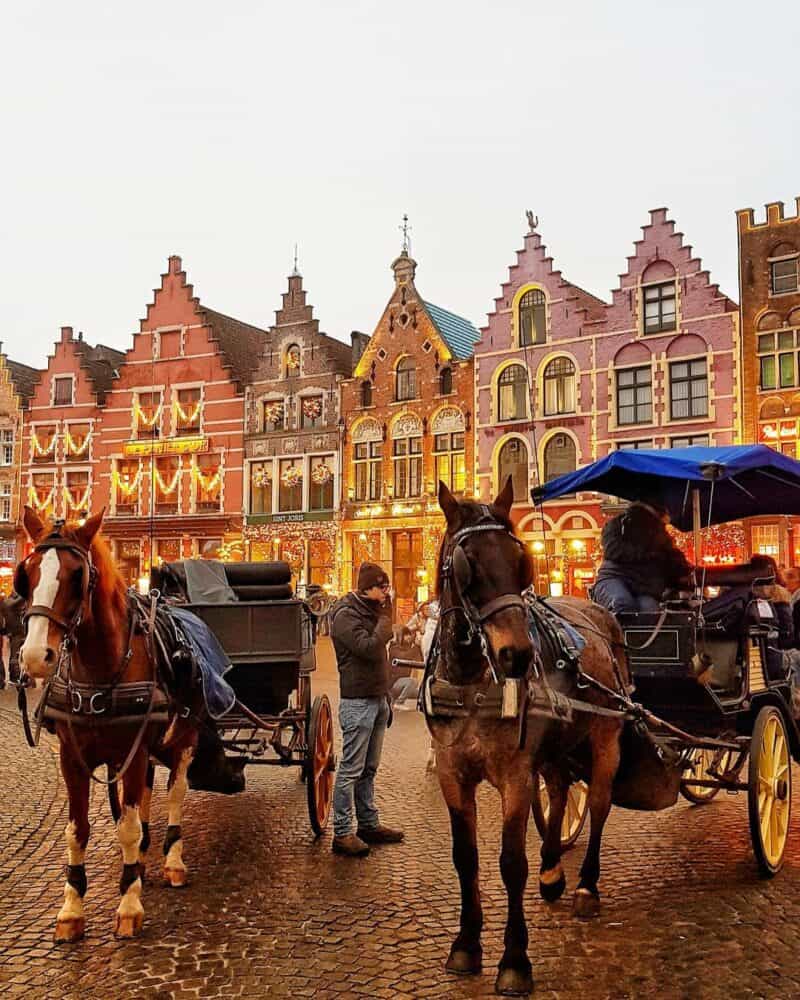
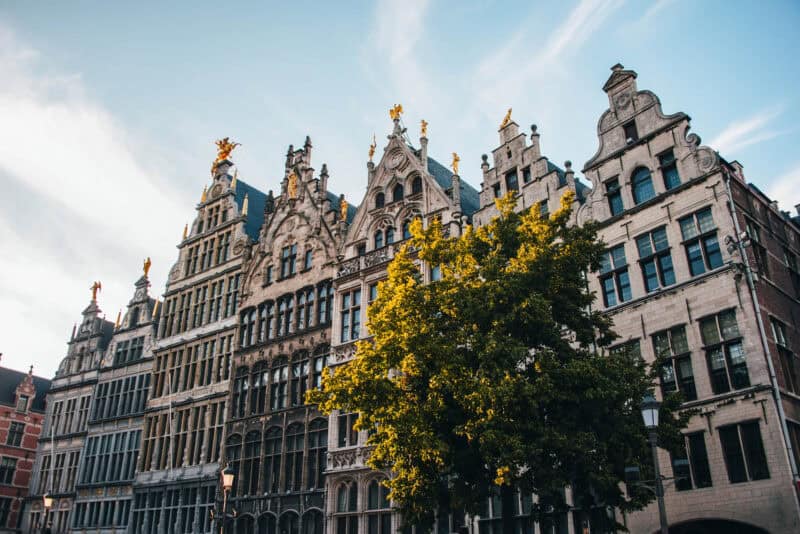
Bruges feels almost designed for a camera, but its compact scale makes timing especially important. The Belfry dominates Market Square, while brick façades, canals, arched passages and narrow streets provide a full visual day without long transfers between locations.
Arrive before the town wakes properly, ideally between 6am and 7:30am. The empty square gives the tower and merchant buildings space, and early mist can soften canals and create reflections around moored boats. Walk beyond the main square to Grietstraat, Steenstraat and Carmerstraat, where weathered brick, steep rooflines and old doorways offer more character than repeated central views.
A wide-angle lens works for the Belfry and Market Square. A 50mm prime or macro lens is better for Flemish brick patterns, worn stone and ornate windows. Climbing the Belfry can provide a higher view of the medieval street pattern, but treat it as a separate session rather than trying to rush through it during the best dawn light.
Bruges is most generous when you photograph it before the day’s crowds arrive, then spend the afternoon looking for details rather than repeating the main square.
The evening light warms the brick and gives the Belfry a strong silhouette against a changing sky. St Christopher’s The Bauhaus occupies a building included in Bruges’ UNESCO setting and has a traditional Belgian beer house atmosphere, not a sports-bar format. It’s a natural place to meet travellers and local artists or musicians after shooting, especially in a small city where you may recognise people again the following day.
7. Pont des Arts and the Seine Riverside, Paris
Pont des Arts offers a different Paris from Montmartre. The bridge gives you cable geometry, the Institut de France dome and the Seine in one frame, while the embankments provide lower viewpoints, river reflections, bookstalls and people moving through the city.
Go before the busiest part of the morning, around 6am to 7:30am, when the water is calmer and the architecture has soft light without the harder contrast of midday. Walk to the middle of the bridge for a high vantage point composition, then descend to the river level for low-angle views. Change direction as well. The Pont Neuf area gives you a different architectural backdrop, while the Pont de l’Alma area can help you frame the Eiffel Tower.
A wide-angle lens suits the bridge and river vista. A telephoto lens compresses building façades and isolates details such as cornices, windows and embankment stone. The best people photographs here usually come from observing rather than directing. Joggers, cyclists, musicians and pedestrians can add scale, but leave space for people to move naturally through the frame.
Use the river as a light meter
The Seine changes the balance of a photograph. Late afternoon light can warm the buildings while the water remains cooler, creating colour separation. Position yourself with the Louvre behind you for sidelit embankments, then watch how reflections change as the sun lowers.
Paris is well suited to solo photography because you can break a day into short walking sessions, with cafés and markets providing natural pauses. The city’s popularity does mean that famous bridges become busy, so the quieter embankments and side streets often produce more distinctive images than standing in the centre of the landmark.
8. Edinburgh Castle and the Royal Mile, Scotland
Edinburgh’s photography strength comes from atmosphere rather than predictable sunshine. The castle sits on volcanic basalt above the city, creating a powerful silhouette, while the Royal Mile, closes and side streets lead through weathered sandstone, steep viewpoints and changing weather.
Use Calton Hill or Arthur’s Seat for a pre-dawn view of the castle against a lightening sky. These high vantage points show the relationship between the fortress and Edinburgh’s topography, rather than reducing the castle to an isolated object. Later, walk down towards the Royal Mile and look for compressed views where the street narrows towards the castle.
Victoria Street and Cockburn Street offer more visual variety away from the main tourist flow. Grassmarket gives a lower perspective, with dramatic shadows on brighter days and strong reflected light after rain. Scottish cloud can turn a familiar skyline into a moodier image within minutes, so carry weather protection for both yourself and your equipment.
Let the weather do some of the work
Overcast skies soften sandstone and reduce harsh contrast. Rain-soaked cobbles provide reflections, while darker clouds add scale to the castle silhouette. Street performers and vendors work best when you include their historic surroundings, giving the image a sense of place rather than presenting a generic portrait.
Edinburgh is also the only UK city in a cited social-photo ranking’s European top 10, with 13,178,384 posts, according to GB News’ coverage of photoworthy destinations. That visibility means the obvious castle frames are familiar, so explore closes and residential edges for something more personal. St Christopher’s Edinburgh provides a social central base, useful when you’re travelling alone and want company without arranging a formal group.
Choosing a St Christopher’s Stopover for Photography
A photography base should support the whole day, not just sleep. Look for a central location, secure storage for nonessential gear, a straightforward route back after dawn and a social space where you can meet people without planning a night out.
St Christopher’s properties are located in London, Paris, Berlin, Amsterdam, Barcelona, Bruges and Edinburgh, although each property has a different feel. Selected locations include Belushi’s as an on-site sports bar, including properties in London, Paris and Berlin Alexanderplatz.
Book for the route you want to shoot
Choose your base around the districts you plan to photograph. A central bed can cut transport time and leave more room for changing light. You can head out before sunrise, return to charge batteries, then go back out for blue hour rather than spend the middle of the day on long transfers. This is particularly useful when travelling alone with a tripod or several lenses.
The social side matters too. A bar or shared area gives solo travellers an easy way to meet people, while a central location makes it simpler to return if weather changes or equipment becomes uncomfortable to carry.
Direct booking offers benefits beyond the bed. These include a free welcome drink, 25% off food at the bars throughout your stay, flexible free cancellation with a cash refund rather than a voucher, direct customer service and a best price guarantee. The publisher also describes no deposit and a 5% saving for direct bookings, as outlined in the official St Christopher’s direct-booking information.
Plan the first night before departure. The UK Foreign, Commonwealth & Development Office advises solo travellers to research the accommodation’s location, keep a back-up option and check fire safety measures, including smoke alarms and suitable exits, in its solo and independent travel guidance. That preparation matters when arrival is late and the first photographic walk begins before dawn.
Transport and Logistics for a Full Photography Day
The most efficient photo itinerary is usually built around walking, not constant transport. Pick a central landmark cluster, shoot it at first light, return for breakfast and charging time, then use one public-transport journey to reach a second district for afternoon or evening light.
Paris works well as two separate photography zones, Montmartre and the Seine. Berlin’s Museum Island and Mitte can be explored on foot, with bridges supplying extra viewpoints. Amsterdam’s canals reward slow walking, while Barcelona links Sagrada Família with the Gothic Quarter. Bruges is compact enough for repeated dawn and evening circuits, and Edinburgh’s slopes make comfortable footwear more important than ambitious equipment.
Keep the day flexible
Timed entry can help at major attractions, but don’t build every frame around a rigid booking. Outdoor light changes, rain can improve reflections and a quiet side street may produce a stronger image than the landmark you planned to shoot. Check official attraction information before you travel, particularly for access times, closures and photography rules.
For British travellers, spring and autumn are frequently recommended by independent photography guidance as useful European shooting windows, especially April to May and September to October, as discussed in Nikon UK’s European photography destinations guide. These periods can offer a more manageable balance of light and crowds than the busiest summer conditions, but always check local weather before packing.
Carry a compact kit, weather protection, spare batteries and a secure way to keep equipment close. Never leave a camera unattended while you buy food or use public transport. If you’re travelling between cities, keep your essential camera and documents in your hand luggage, then use your hostel’s storage arrangements for anything you don’t need during the day.
Turn Your Photo List Into a Better Trip
The strongest destination depends on the atmosphere you want, not just the landmark that appears most often online. Choose Paris for layered architecture, river light and street life. Choose Berlin for historical contrast and graphic structure. Amsterdam is ideal for reflections and daily movement, Barcelona combines bold architecture with Mediterranean colour, and Bruges gives you a concentrated medieval setting where early light transforms brick and water.
London and Edinburgh offer especially rewarding choices for UK travellers who want a shorter, simpler break. Tower Bridge and South Bank provide a dense mix of historic and contemporary subjects, while Edinburgh gives you castle silhouettes, sandstone textures and weather that can change the emotional tone of a scene. These cities also make it easier to plan a photography day without car hire or complicated rural transfers.
The practical formula is straightforward. Arrive the evening before your main shoot, prepare batteries and clothing, then leave for the viewpoint before the crowds. Carry waterproof protection for yourself and your equipment, secure valuable gear when you’re not using it and allow time for quieter side streets. The famous landmark gives your itinerary a clear anchor, but the surrounding neighbourhood usually supplies the photographs that feel more personal.
Season matters as well. Independent photography guidance often places April to May and September to October among the most useful windows for European photo trips, while government attractions reporting provides a dependable benchmark for understanding demand and seasonality around major UK sites. A 48 to 72 hour break can work well when you concentrate on compact areas and schedule sunrise, blue hour and evening light rather than trying to cover an entire city.
Photography has become a central part of how many British holidaymakers experience a destination. A UK survey reported that 64% of holidaymakers consider taking photos important, 22% call it essential, and 54% have returned to the same location for a better shot, while the figure for Gen Z reached 80%, according to Female First’s survey coverage. That makes practical planning more valuable than another list of famous buildings.
Choose the city whose light, scale and social rhythm suit you. Then give yourself enough time to notice what sits just beyond the standard viewpoint.
St Christopher’s offers central, social bases near major European photography routes, with clean rooms, on-site bars, communal spaces and direct-booking benefits including no deposit, flexible free cancellation, a free welcome drink and 25% off food. Visit St Christopher’s to find a location that keeps your camera walks short and your evenings more sociable.
Our direct rates are guaranteed to be at least 5% cheaper than anywhere else online, with a free drink on arrival, 25% off food at the bar, and free cancellation options available.