Bruges City Break: The Ultimate 2026 Guide

Planning a Bruges city break? Our 2026 guide covers 1-3 day itineraries, budget tips, transport, and the best things to do for social & solo travellers.

Article by

  • 12 May 2026
  • • 17 min read

Bruges gets sold as a fairytale. Cobblestones, canals, gothic towers, swans, chocolate shops, all of that is true. What people don't tell you is that a bruges city break can also feel crowded, pricey in the wrong places, and oddly lonely if you arrive without a plan.

That's why Bruges works best when you approach it like a smart weekend, not a checklist. Stay somewhere you can walk from, start early, avoid the worst midday bottlenecks, and leave room for the bits that make the city memorable, the quiet lanes, the beer bars, the unexpected conversations, the canal views when the tour groups have thinned out.

If you're travelling solo, with a mate, or in a small group, this is the practical version. No fantasy, no fluff. Just how to enjoy Bruges properly, spend sensibly, and still get that postcard feeling everyone goes for.

Your Fairytale Bruges City Break Starts Here

A lot of people book Bruges because they want something easy. Not easy in a boring sense, easy in the good way. You want a European weekend that feels different from home, doesn't require loads of planning, and gives you enough to do without turning into a military operation.

That's exactly where Bruges shines. You can arrive on a Friday, dump your bag, and be wandering beside a canal not long after. By Saturday morning you're already in full medieval-city mode, coffee in hand, camera out, trying to decide whether to climb a tower, take a boat, or just keep drifting through side streets.

What catches first-time visitors out is pace. Bruges looks tiny on a map, so people assume they can turn up and wing it. You can, but you'll usually end up in the busiest spots at the busiest times, paying more for less atmosphere.

Practical rule: Bruges rewards early starts, walkable plans, and a bit of restraint. Trying to cram everything in usually makes the city feel more hectic than charming.

The sweet spot is simple. Pick a few headline sights, build in proper food and drink stops, and keep one part of each day loose enough for wandering. That's how Bruges feels like Bruges, rather than just another city break with a famous square.

Why Choose Bruges for Your Next City Break

Bruges has one huge advantage over a lot of famous weekend destinations. It doesn't just photograph well, it actually works well for a short trip.

That matters more than people think. Plenty of cities are brilliant if you have four or five days. Bruges is strong because it gives you the feeling of a proper escape in a compact setting, which is ideal when you only have a weekend and don't want half of it lost to transport, queues, and overplanning.

According to The Independent's report on the Which? survey , Bruges scored 85% satisfaction in a survey of over 1,000 British travellers, ahead of Paris at 79% and Amsterdam at 82%. In the same report, Bruges also received four-star ratings for food and drink, cultural sights and attractions, accommodation quality, value for money, and walkability.

What makes Bruges different

There are bigger cities with more museums, louder nightlife, and more obvious “must-do” lists. Bruges wins on balance.

That final point matters if you're travelling alone. Bruges is one of those places where solo travel feels calm rather than overwhelming. You're rarely far from the centre, and the city's scale makes spontaneous wandering feel fun rather than risky or exhausting.

Who Bruges suits best

Bruges is especially good if you want:

  • A weekend from the UK by rail that feels like a proper trip abroad rather than a rushed transit day

  • A social but not chaotic break, where evenings can be lively but days still feel relaxed

  • A destination with built-in atmosphere, where even downtime feels like part of the trip

Bruges isn't the city break for people chasing non-stop nightlife or a giant attractions list. It's for travellers who want beauty, good food, decent beer, and a city they can actually enjoy without constant logistics.

If that sounds like your kind of break, Bruges makes an easy case for itself.

Getting to Bruges and Getting Around

The nice thing about Bruges is that the practical side is easier than the photos make it look. It feels old-world, but getting there is fairly straightforward, especially from the UK.

Majority of travelers from London take the train via Brussels and continue on to Bruges. It's the kind of journey that suits a city break because once you arrive, the hard part is basically done. You don't need to spend the rest of the weekend figuring out metros, airport transfers, or expensive taxis.

Getting there without overcomplicating it

A simple approach works best:

  1. Book your rail journey early if you're travelling on a popular weekend.

  2. Travel light if you can. Bruges is a walking city, and dragging a huge suitcase over cobbles gets old fast.

  3. Aim to arrive with daylight left, especially on your first trip. Bruges is easiest to settle into when you can get your bearings on foot.

If you're coming from elsewhere in Europe, the same principle applies. Get yourself to Belgium by train if practical, then treat Bruges as the easy final stop rather than a complicated transport puzzle.

Why walking is your main transport plan

Bruges starts saving you money at this point. The City of Bruges UNESCO guide notes that the historic city centre's bicycle zone designation covers nearly all streets, and that major landmarks are often just 300 yards apart.

That changes how you should plan your trip. In bigger cities, where you stay can make or break your transport budget. In Bruges, staying within easy walking reach of the historic centre means most of your weekend happens on foot.

Here's what works well:

  • Walking for the core sights because the city is compact and the scenery is part of the experience

  • Using a bike if you want a wider loop beyond the busiest central lanes

  • Skipping unnecessary taxis unless you're arriving late, carrying loads of luggage, or dealing with bad weather

Bikes are useful, but not essential

Cycling fits Bruges well, but it's not compulsory. If you're only there for a night or two, walking usually gives you a better feel for the place.

If you do rent a bike, keep expectations realistic. It's great for reaching spots slightly outside the thickest crowds or adding a different rhythm to the day. It's less useful if your plan is mostly central museums, cafés, and squares where you'll be stopping every few minutes.

The mistake people make in Bruges is planning too much transport. You don't need a “getting around strategy” as much as you need comfortable shoes.

One practical point. The Belfry closes at 6pm, so if you want to fit that in, don't leave it until the very end of the day. Bruges feels relaxed, but a couple of attraction timings still matter.

The Best Bruges Itineraries For 1, 2, or 3 Days

Bruges can handle a quick hit or a slower weekend. The trick is matching your plan to your time, instead of trying to force a three-day city into one rushed afternoon.

The three versions below are built around what usually works best. Early starts, lighter middays, and evenings that leave room for food, beer, and wandering.

The 24-hour whirlwind

This is for the Friday night arrival and Saturday evening departure crowd, or anyone trying to squeeze Bruges into a tight European route.

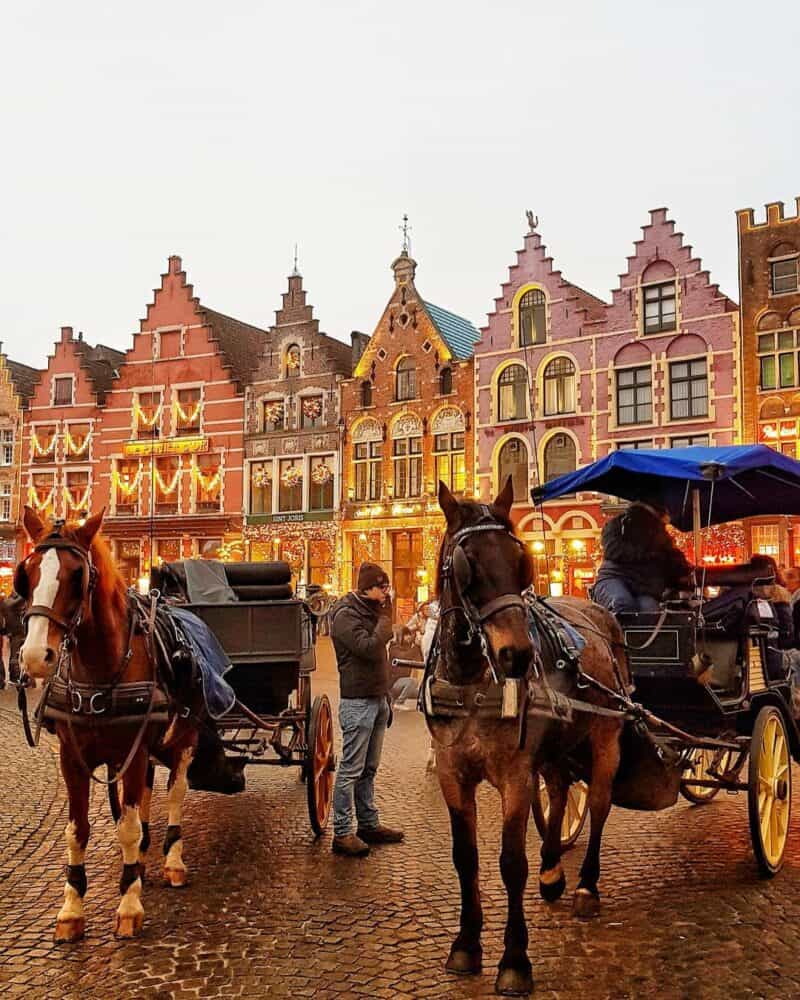
Morning Start in Markt Square while the city still feels half-asleep. Head to the Belfry early if that's high on your list, because later in the day the area gets busier and the whole square loses some of its magic. After that, walk through Burg Square and let the old centre reveal itself slowly rather than darting from pin to pin on a map.

Midday Do a canal boat tour before lunch or just after, depending on queues. It's touristy, yes, but in Bruges that's not a bad thing. The canals show you angles of the city you won't get from the streets, and on a short trip it helps you orient yourself quickly.

Afternoon Give yourself one quieter stop. Begijnhof works well for this, or wander away from the densest lanes and let the day breathe a bit. Grab a beer, snack on something simple, and finish with the classic evening walk as the centre softens.

This itinerary isn't about depth. It's about getting the feel right.

The classic 48-hour weekend

Two days is the ideal duration for a visit. You can see the essentials without turning Bruges into homework.

A good first day starts with the city's big visual icons, Markt, the Belfry, the canals, and the postcard corners around the centre. Leave space in the afternoon for a museum, brewery stop, or a longer detour through the quieter streets. The point isn't to race. It's to mix the obvious highlights with enough breathing room that the city still feels romantic rather than overmanaged.

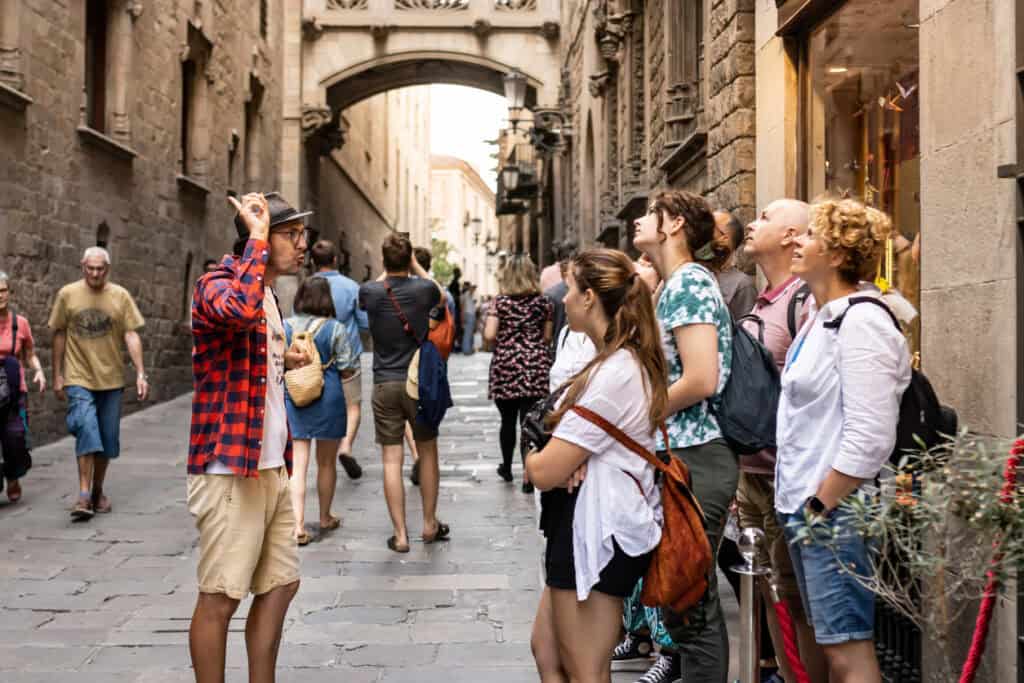
For day two, go broader rather than harder. Start with an orientation walk or free tour. The Legends of Bruges free walking tour runs at 9:45 AM, 11:30 AM, and 2:00 PM, and it's led by local residents, which makes it useful for solo travellers and first-timers who want context without loads of planning.

That local-led format matters more than it sounds. Bruges is small, but it opens up when somebody points out which corners are worth lingering in and which famous bits are better seen at a different time of day.

For a tighter weekend plan from the UK, the London to Bruges in 48 hours guide is a handy extra read.

If you only have two days, don't book every hour. Bruges is one of those places where an unplanned half hour by the canal is often better than a third museum.

The 3-day social explorer

Three days suits solo travellers, groups of mates, and anyone who wants a bruges city break with space to enjoy it.

Day one for bearings and easy wins

Keep the first day light. Arrive, check in, walk the centre, find your nearest useful landmarks, and don't try to “complete” the city. If you've travelled in that day, your main job is to settle in and avoid the tired-traveller mistake of wasting money on random tourist trap meals and badly timed attractions.

A short evening wander works well. Bruges looks especially good once day visitors start thinning out.

Day two for orientation and social energy

This is the day to join the walking tour if you haven't already. The scheduled departures make it easy to work into a casual plan, and they're particularly useful if you're solo and want a natural way to meet people without forcing conversation in a weird way.

After the tour, pick two anchors for the day:

  • one major sight, such as the Belfry or a canal tour

  • one slower stop, such as Begijnhof or a longer beer break somewhere atmospheric

In the evening, choose somewhere with actual life rather than retreating too early. Bruges doesn't need a mad night out to be social. It just needs a place where conversation happens naturally.

Day three for the bits people miss

Use your final day for the edges of the centre, slower cafés, repeat views, and anywhere you wanted to return to at a better time. This is also the right day for windmills, longer canal-side walks, and better photography.

Many visitors depart Bruges noting that day three was their highlight because the pressure had subsided.

The wrong way to do Bruges is to treat every hour as precious and overfill it. The right way is to choose a shape for the trip, then let the city do some of the work.

What to See, Eat, and Drink in Bruges

A good Bruges trip usually comes down to three things. The views, the food, and the moments when you drift slightly off the obvious path and the city suddenly feels quieter.

That's why it helps to build your day by category rather than by rigid route. Bruges is compact enough that you can mix major sights with snack stops and quieter corners without much effort.

The sights worth prioritising

If it's your first visit, don't skip the obvious stars. They're famous for a reason.

  • The Belfry: The climb is part of the experience, and the 366 steps make it feel earned

  • Markt Square: Busy, photogenic, and still worth seeing early or later in the day

  • Canal boat tours: A classic for good reason. Bruges looks different from the water

  • Begijnhof: A calmer counterpoint to the crowds elsewhere

  • Basilica of the Holy Blood: Even if you're not doing a full church circuit, this one adds texture to the city's history

One smart move is to split these between morning and later afternoon, then leave the middle of the day for lunch, beer, or quieter streets.

What to eat without wasting meals

Bruges is very easy to eat badly in if you sit down in the busiest part of the centre without thinking. The city has plenty of appealing menus aimed squarely at people who won't be back.

A better budget-friendly rhythm looks like this:

  • Keep lunch simple, with frites, a sandwich, or something easy you can eat without losing an hour

  • Save your sit-down meal for evening, when the city feels calmer and you can choose more carefully

  • Treat waffles and chocolate as stops, not obligations, so you're not constantly buying sugar because “it's what you do here”

If waffles are part of your plan, this guide to the best waffles in Bruges helps narrow it down.

Beer, chocolate, and the social side

Belgian beer is part of the trip, but pace yourself. Bruges has a habit of making “just one” turn into a very sleepy afternoon.

Look for places where the atmosphere fits the city. Cosier bars, brown-café energy, spots where lingering feels normal. That's usually better than charging from one famous drinking venue to another.

This video is a decent mood-setter if you want a visual sense of the city before you go.

The timing trick that changes Bruges

One of the best practical moves in Bruges has nothing to do with spending money. It's when you show up.

The Bruges e-pass guide to early or late starts notes that Rozenhoedkaai is best between 7:00 and 8:30 am or during the hour around sunset if you want to experience it without the thick midday crowds.

That's not just a photography tip. It changes how the city feels.

Go early once, even if you're not a morning person. Bruges before the crowds feels like a different destination.

If you're travelling with friends, this is one of the rare group decisions that pays off immediately. An early canal-side walk, a quiet square, a coffee before the city wakes up, that's often more memorable than another rushed attraction.

Your Guide to Budgeting, Packing, and When to Visit

Bruges isn't the kind of city where you need a huge budget to enjoy yourself, but it is the kind of city where careless decisions add up. Central cafés, impulse drinks, random souvenir stops, and paying peak-time prices for average experiences can eat through your spending fast.

The good news is that Bruges is small enough to reward a simple plan. If your accommodation is well placed, your transport costs stay low because you're mostly walking. If you keep lunches light and choose your paid attractions rather than doing everything on instinct, the city stays manageable.

What to budget for in real terms

Rather than fixating on exact daily numbers, think in categories:

That balance matters because Bruges is one of those places where the atmosphere is a major part of what you're paying for. You don't need to buy entry to every building to feel like you've had a full trip.

What to pack for a smoother trip

Bruges has lovely streets and annoying surfaces. Those two facts go together.

Bring:

  • Comfortable walking shoes, because cobblestones punish flimsy footwear

  • Layers, since the weather can shift during the day

  • A waterproof jacket, because Belgium doesn't care what your outfit plans were

  • A small day bag, which is much easier than hauling around bulky luggage in the centre

A compact umbrella can help, but a proper waterproof layer is usually more useful when you're walking for hours.

When to visit if you want the better version of Bruges

This matters more than almost anything else. Bruges is dealing with overtourism, and it affects the experience on the ground. According to The Week's piece on a weekend in Bruges , the city is facing an overtourism crisis, and local government is taking steps to limit short-term rentals.

For travellers, that has two practical consequences. First, peak-season Bruges can feel more crowded than charming. Second, if you go in the shoulder season, you usually get a more relaxed and more respectful version of the city.

Shoulder season is often the sweet spot in Bruges. You get the beauty without the same level of crowd pressure, and the city feels more liveable for both visitors and locals.

If you can choose, go when the city still has energy but doesn't feel overwhelmed. That's usually the version people remember most fondly.

Where to Stay for a Social and Affordable Trip

In Bruges, where you stay affects the whole shape of your break. Pick somewhere too isolated and you'll waste energy getting in and out of the centre. Pick somewhere with no atmosphere and solo evenings can feel flat very quickly.

For social travellers, the better setup is simple. Stay close enough to walk, choose somewhere with shared spaces that don't feel forced, and make sure the place suits the Bruges mood rather than fighting it.

A practical option is St Christopher's Inns Bruges . It sits on the edge of the historic centre, which makes it useful for a walk-first weekend, and its on-site venue, The Bauhaus, is known as a spot where travellers and locals mix. That's handy if you're travelling solo and don't want to spend your first evening wondering where to go to meet people.

What matters more than the room alone

When choosing accommodation for a bruges city break, I'd focus on these points:

  • Walkable location: In Bruges, this saves hassle more than anything else

  • Social space with actual atmosphere: Especially important if you're travelling alone

  • Food and drink on site or nearby: It makes arrival day much easier

  • Direct booking perks: For St Christopher's, that can include a free welcome drink, free cancellation, direct customer service, and 25% off food

That last bit is useful because value in Bruges isn't only about the nightly rate. It's also about what you don't need to spend once you're there.

What doesn't work as well

The less effective option is booking purely on price and ending up somewhere that adds friction. If your place is awkward for the centre, dead in the evenings, or lacking any communal feel, you'll often spend more elsewhere trying to compensate.

For solo travellers, a social base usually pays off in confidence as much as convenience. It takes the pressure off your evenings and makes the city feel easier from the start.

Frequently Asked Questions About Bruges

Is Bruges good for solo travellers

Yes. It's compact, easy to get around, and well suited to people who like walking, cafés, and slower-paced city breaks. It's one of the less intimidating European destinations if you're travelling alone for the first time.

Is English widely spoken in Bruges

Yes, in most places you'll get by without any trouble at all, especially in shops, cafés, bars, and visitor-facing businesses.

Do I need cash

Cards are widely accepted, but having some euros can still be useful for smaller purchases or quick stops.

Is one night enough for a bruges city break

One night is enough to get a taste. Two nights is a much better fit if you want the city to feel relaxed rather than rushed.

When is the best time of day to explore the centre

Early morning and later in the day are usually the nicest times. You'll get a calmer atmosphere and a better chance to enjoy the city without the thickest crowds.


If you're planning a Bruges trip and want a walkable, social base, have a look at St Christopher's Inns . Booking direct gives you the full value picture, including a free welcome drink, food discount, flexible cancellation options, and direct support before you arrive.

Liked this article? Share with friends

Read all Travel Blogs