10 Coolest Music Festivals in Europe for Solo Travellers
Sophie
You’ve found the festival you want, but the trip still needs solving. Where should you stay, how much will the...
Share This Article
You’ve found the festival you want, but the trip still needs solving. Where should you stay, how much will the whole weekend cost, and is camping really worth it when you’re travelling alone? Europe’s festival calendar can deliver an unforgettable city break, but the headline ticket is only one part of the decision. A weekend at a major festival can exceed £800 once tickets, transport, food, drinks and accommodation are included, according to independent UK festival cost guidance.
This guide compares the coolest music festivals in Europe by musical identity, timing, atmosphere, practical transport, solo suitability and the commitment each trip demands. You’ll find urban electronic weekends, huge camping communities, a cultural island escape and festivals that work better as a city base with a day trip attached. The core European festival season runs from late June through early September, although Primavera Sound and several other events begin earlier, as outlined in this Europe festival planning guide.
Use the calendar and map in the conclusion to choose a route rather than chasing every famous name. Ticket dates, transport arrangements and accommodation availability change, so check the official festival information before paying, and book accommodation directly with the property. If you’re upgrading your packing, functional apparel for festivals can also solve the practical problem of carrying essentials without taking a bulky day bag.
1. Primavera Sound Barcelona: The Festival City Escape
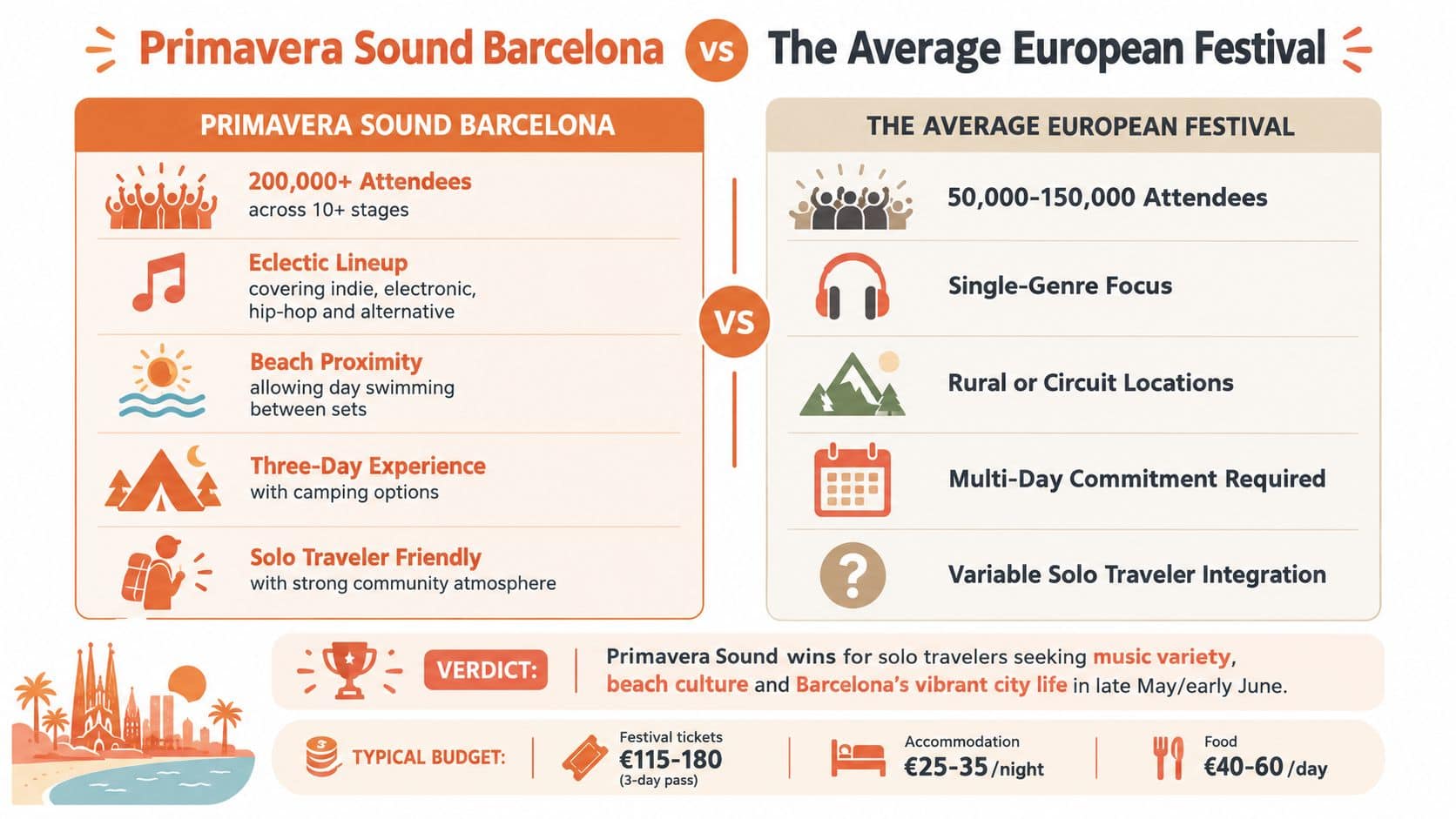
Primavera Sound is the easiest choice when you want a serious festival without giving up a proper city holiday. The event takes place at Parc del Fòrum in Barcelona, generally in late May or early June, with a broad programme spanning indie rock, electronic music, hip-hop and alternative acts. The waterfront setting gives the trip a distinctly Mediterranean feel, but the scale means you’ll still need to plan your days carefully.
Make Barcelona part of the festival
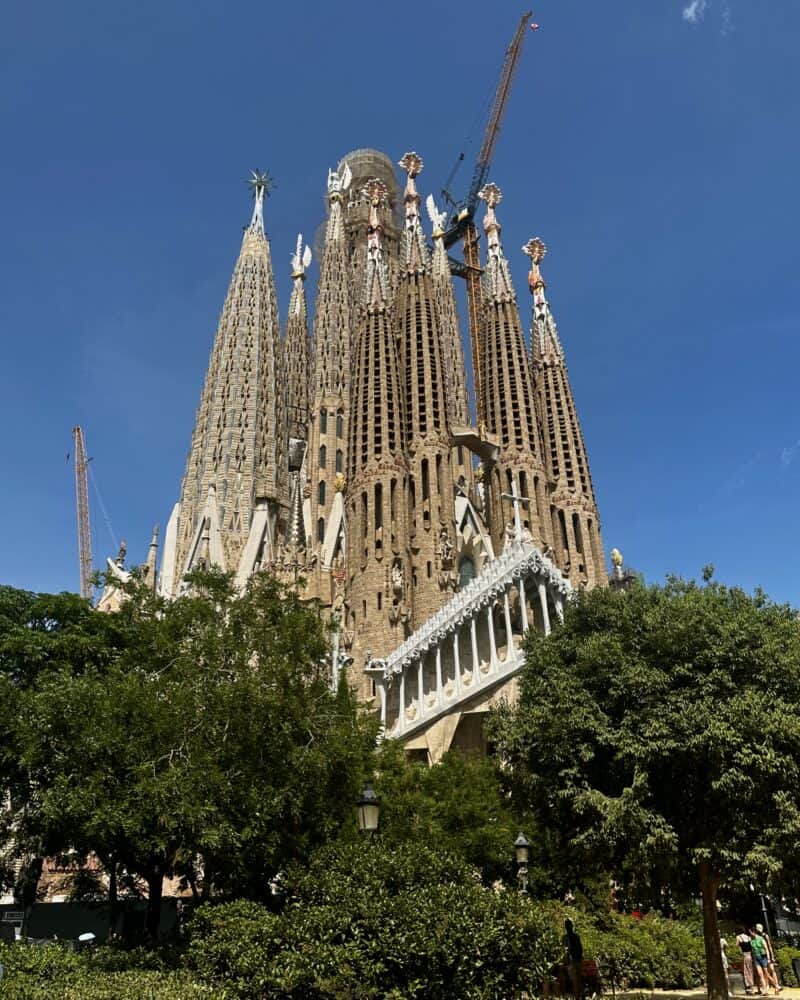
Don’t spend every waking hour inside Parc del Fòrum. Arrive early enough to explore the Gothic Quarter, visit the Sagrada Família or take a slower walk around Montjuïc. A solo traveller can meet people at the hostel the night before, share transport to the venue and still keep enough independence to follow different sets once inside.
Download the official Primavera app and build a realistic schedule. Pick a few essential acts, then leave space for discoveries, food and the walk between stages. The crowds and distance between areas can make an overpacked itinerary tiring rather than impressive.
Practical rule: Leave valuable belongings at the hostel where possible. Carrying everything through crowded festival entrances and late-night transport adds risk without improving the day.
2. Tomorrowland Belgium: The Electronic Music Pilgrimage
Tomorrowland is for travellers who want spectacle, large-scale electronic music and a crowd that feels international. It takes place in Boom, around 40 kilometres from Brussels, usually across two weekends in mid-August. The festival’s international reputation makes it a natural choice for solo visitors, but the same scale that creates excitement also creates logistical pressure.
Camping is usually the most sociable option. A festival campsite gives you a built-in community, shared routines and people to find when you arrive alone. Returning to Brussels each night is possible with festival shuttle arrangements, but it adds a transport deadline to every evening and can make the experience feel more like a commute.
Choose your base deliberately
If you don’t camp, research Brussels accommodation and the shuttle connection before buying your ticket. A central city base works well for museums, Belgian beer culture and a recovery day, while camping removes much of the daily travel stress. Pick the first or second weekend around the lineup you want, not the weekend that sounds more prestigious.
Pack for heat and sudden rain. A reusable water bottle, durable camping equipment and a pre-agreed meeting point matter more than bringing a large wardrobe. If you split from new friends during a set, phones may be unreliable in a dense crowd, so agree on a landmark and a time before heading into the busiest areas.
The best solo Tomorrowland plan is social but not dependent. Join the campsite community, then keep your own ticket, phone and route details secure.
Buy tickets through the official Tomorrowland website rather than relying on third-party travel sellers. The festival’s size rewards early preparation, but you shouldn’t let the promise of a perfect group experience push you into carrying more money or valuables than necessary.
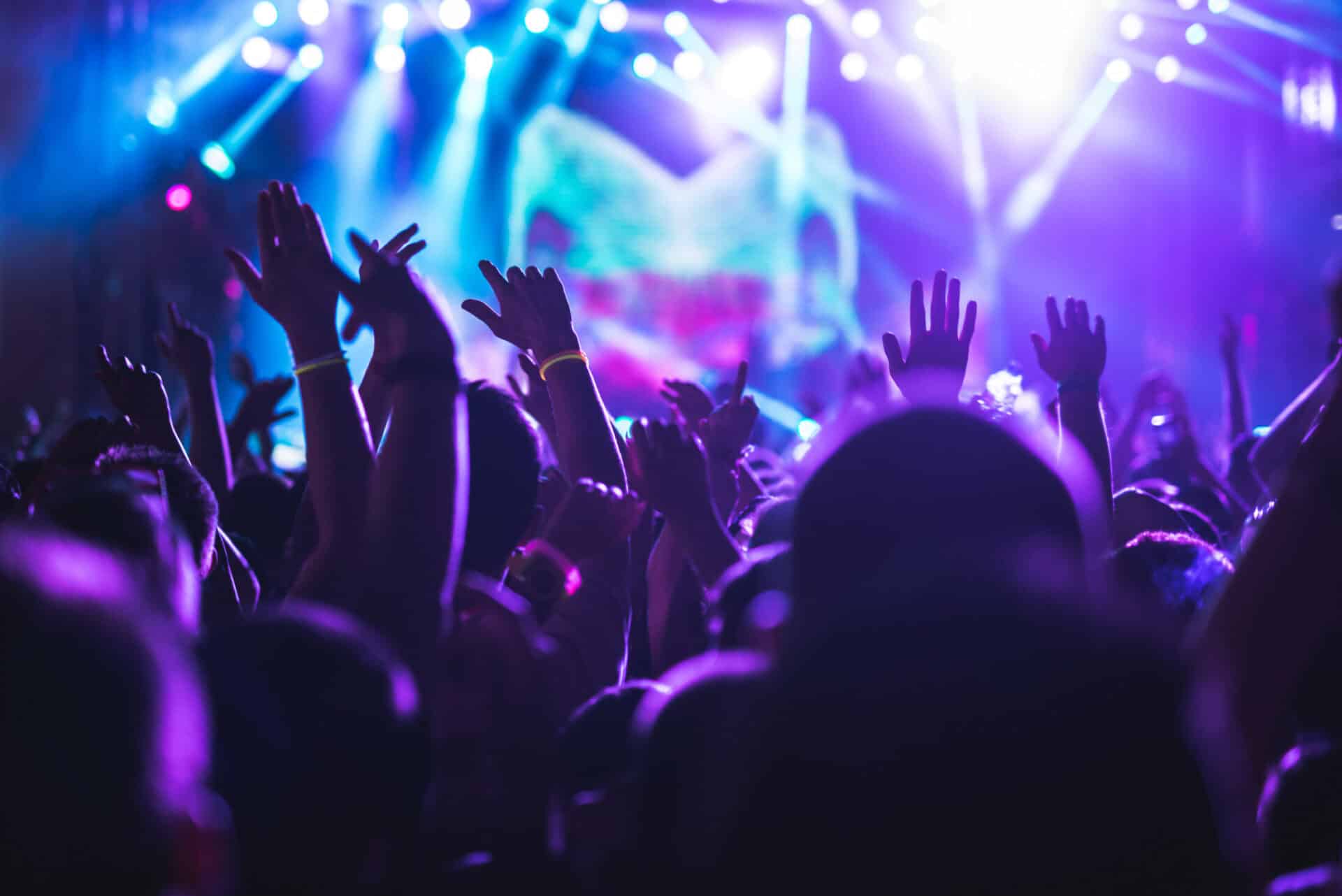
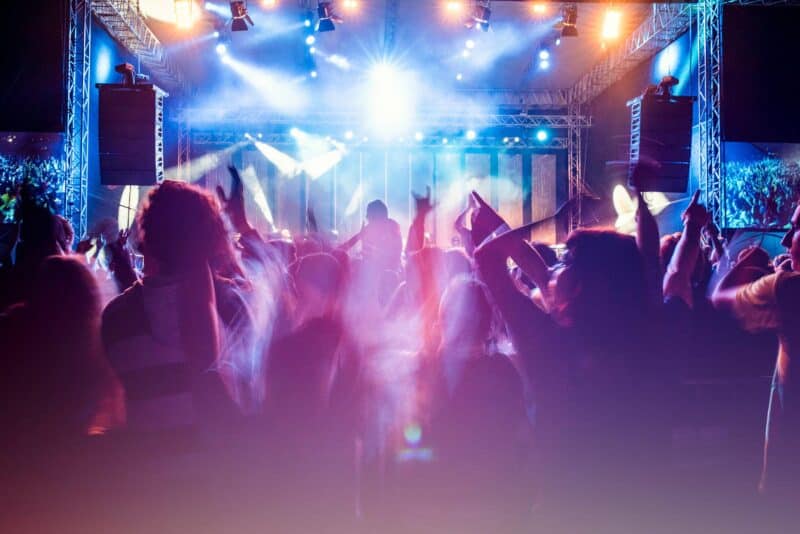
The atmosphere is easier to understand visually than through a list of stage names, especially if you’re deciding whether a mega-festival suits your first solo trip.
3. Latitude Festival Suffolk: The Boutique British Festival
Latitude suits travellers who want music with more breathing room around it. Held at Henham Park in rural Suffolk in mid-July, it combines live music with theatre, comedy, literature and visual arts. The programme gives a solo visitor natural conversation starters, because meeting someone at a comedy tent or literary event feels less forced than approaching a stranger in a packed headline crowd.
The rural setting is its main trade-off. London is a useful base if you’re combining Latitude with a broader UK trip, but you’ll need to arrange coach or train travel to Suffolk and decide whether you’re returning after each day. Camping creates the fuller festival experience, while day trips suit travellers who value a proper bed and a city evening.
Use London as the social starting point
Book coach transport several weeks ahead rather than assuming you’ll find a convenient last-minute departure. If you camp, arrive early enough to find a practical position near facilities and stages. July weather can change quickly, so layers and proper rain protection are more useful than festival styling.
For city-based travellers: Treat Latitude as one part of a London and Suffolk itinerary rather than the whole holiday.
For first-time solo campers: Choose a spot with easy access to facilities, then introduce yourself to nearby campers without leaving valuables unattended.
For curious listeners: Build in time for literature, theatre and visual art. The non-music programme is what separates Latitude from a standard multi-stage weekend.
The UK has deep festival infrastructure. In 2019, almost 1,000 UK music festivals generated £1.76 billion in Gross Value Added and attracted more than 5.2 million attendees, according to this UK parliamentary submission on festivals and live music. Latitude benefits from that wider ecosystem while keeping its own more varied, intimate character.
4. Glastonbury Festival Somerset: The Legendary British Institution
A Glastonbury weekend starts before you reach Worthy Farm. The late-June festival combines music, theatre, circus, activism and smaller stages across a huge temporary site. Choose it if you want an immersive world rather than a tidy concert weekend, and accept that weather, stamina and preparation will shape the experience as much as the lineup.
Tickets require care. Use the official ballot and resale arrangements, and avoid unofficial offers that may involve counterfeit tickets or unclear refund terms. Travellers arriving from outside the UK should plan their route, camping kit and first night well before the festival rush.
Make the pre and post festival days easier
Arrive in the capital, organise your equipment, meet other festival-goers and recover there once you return. For solo travellers carrying camping gear, a coach is usually less stressful than driving, parking and dealing with the site’s traffic.
Pack for mud, rain and cold evenings, even with a promising forecast. Waterproofs, warm layers, dependable footwear and a reusable water bottle deserve space before extra outfits. Choose a few performances you refuse to miss, then leave time for smaller stages, late-night areas and the detours that make Glastonbury distinctive.
Glastonbury works when you accept that comfort is partly your responsibility. A weak tent, poor footwear or an overambitious schedule can define the trip more than the lineup.
Budget beyond the ticket. Glastonbury’s 2026 weekend ticket reached £408 including the booking fee, while Reading and Leeds tickets can reach £361, rising from about £230 in 2019, according to festival price coverage for UK travellers. These figures exclude transport, food, camping equipment and a recovery night in London or elsewhere, so calculate the full trip before committing.
Solo campers should keep valuables secured, share basic plans with someone at home and avoid relying on a phone signal for every decision. Arrive with enough time to find your camping area in daylight, and treat the weather forecast as guidance rather than a guarantee.
5. Awakenings Festival Amsterdam: The Techno Pilgrimage
Plan Awakenings around the music, then let Amsterdam fill the gaps. Held near the city in early June, the festival delivers outdoor techno, powerful sound systems and a sustained atmosphere rather than a broad arts programme. Solo travellers who prefer a clear musical focus will find the format easier to manage than a sprawling, genre-hopping event.
Amsterdam itself offers plenty to do before the gates open. Spend the morning cycling or visiting a museum, then leave the afternoon and evening for the festival. Book directly well ahead of the event period, since central rooms fill quickly around major weekends.
Plan the return before the first set
Public transport should be your default. Learn the route before festival day, check the official instructions for the final venue connection and save the return details on your phone. Trams and other public transport links are generally more practical than taxis when large crowds leave at once, although the last part of the journey may require extra patience.
Your ticket choice should match your stamina. A multi-day pass suits committed techno fans, while a single day leaves more time and money for Amsterdam. Avoid pairing a late festival night with a tightly booked sightseeing schedule. Visit the Anne Frank House or Van Gogh Museum during a quieter morning, then keep the afternoon for food, a slower canal walk and recovery.
Pack light layers. Early June evenings can feel cool after hours outdoors.
Solo travel works best with a modest plan. Pick the sets you most want to see, arrange a meeting point if you make friends, and keep your phone, wallet and return route secure.
6. Sziget Festival Budapest: The Island Week Experience
By the middle of Sziget, Óbuda Island feels like a temporary city rather than a concert site. The mid-August festival combines music with theatre, circus, film and daytime activities, giving solo travellers repeated chances to meet people instead of relying on one conversation after a headline set.
Camping is the most social option, though it demands more organisation and patience than a city base. Arrive before the programme becomes busy, choose a pitch near paths and facilities, and use your tent as a base rather than a place to store everything. A reliable tent, sleeping bag for cool summer nights, waterproofs and a reusable bottle will make island life considerably easier. Keep valuables with you and check the festival’s latest arrangements before travelling.
Split island time from Budapest time
Give yourself reasons to leave the grounds. Danube walks, Parliament views and Budapest’s thermal baths provide a useful change of pace after long days on site. A room in the city for the recovery period costs more than staying under canvas, but it gives you proper sleep, a shower and secure luggage storage. Keep part of each day open for food and rest rather than booking sightseeing back-to-back.
A practical solo routine is simple: choose a few performances you want to catch, use the campsite to meet people, then explore the island’s non-music programme without chasing every stage. Sziget’s international crowd makes conversation easy, but you still need a personal plan for water, phone charging and returning to your tent after dark.
Choose social camping: It creates more natural opportunities to meet fellow festival-goers than commuting in and out each day.
Keep your kit compact: Large bags are awkward on crowded routes and public transport.
Use downtime well: Schedule Budapest’s baths and central sights before or after the busiest festival days.
Vienna’s Donauinselfest is described as Europe’s largest free-admission open-air music festival in this European summer festival guide. It offers a lower-commitment alternative if Sziget’s week-long ticket and camping do not suit your budget or stamina, although the experiences differ sharply. For a more structured Budapest and regional escape, Explore Effortlessly bespoke journeys offers another planning starting point.
7. Dekmantel Amsterdam: The Intimate Techno Gathering
Dekmantel is the more focused Amsterdam choice for electronic music travellers who don’t want the anonymity of a mega-festival. Its early-August programme brings a smaller, more concentrated crowd to venues including the area around Brouwerij ’t IJ. The festival works particularly well as part of a longer Amsterdam visit, with daytime city exploration and evening sets shaping the rhythm.
Day passes are sensible if you’re unsure about committing to several days, while a multi-day pass makes sense when the lineup is the main reason you’re visiting. The city base also means you can shower, sleep properly and keep your luggage secure.
Let the city provide the pauses
Amsterdam’s cycling routes, museums and cafés give you plenty to do between performances. Visit museums in the morning, rest through the warmest part of the day and return to the festival with enough energy for late programming. Brouwerij ’t IJ also offers a chance to explore Dutch beer culture, but don’t confuse an interesting venue stop with a reason to overdrink before the music begins.
August evenings can become noticeably cooler late at night. Pack light layers, comfortable footwear and a small secure bag. The best solo festival days leave enough margin for changing your mind, because Dekmantel’s appeal lies in following a sound or artist you didn’t initially plan to see.
A central base is part of the festival strategy, not just somewhere to sleep. It lets you recover without sacrificing access to the music.
8. Rock am Ring Germany: The Massive Rock Institution
Rock am Ring suits solo travellers who put rock and metal ahead of polished city breaks. Held at the Nürburgring in western Germany in early June, it uses the racing circuit as the setting for several days of loud, heavy programming. Camping shapes the experience, so book it only if you are comfortable trading a private room for easier access to the festival community.
The campsite may be more useful for meeting people than the stages. Food areas and shared spaces create natural openings for conversation, from comparing sets to sharing weather updates. Join a nearby group for part of the day, then return to your own timetable when you want space.
Use Cologne as your city base
Cologne works well before or after the festival. The cathedral, Rhine walks and straightforward onward connections provide a change of pace, while a city stay gives you a proper bed and somewhere secure for your luggage. Trying to fit a full sightseeing day into the middle of Rock am Ring usually makes the schedule harder than it needs to be.
Transport to the Nürburgring requires advance planning. Check the official shuttle and train information, because the circuit is not a normal city venue and the final connection may take longer than expected.
Pack for rain as carefully as sunshine. Wet weather can turn basic camping equipment into a serious problem, particularly when you are far from shops. Comfortable footwear, a reusable bottle and a secure small bag will matter more than packing for every possible outfit.
Build the day around the acts you most want to see. Keep the rest flexible for food, delays and unexpected favourites. A realistic shortlist is more useful than trying to cross the whole programme off, especially when moving between stages takes time.
Rock am Ring offers intense music and an unusually social campsite, but the trade-off is clear. It suits travellers happy to camp and accept a demanding outdoor routine. If you want a quiet bed and a flexible city itinerary every night, Cologne is better used as a pre or post-festival base than as a daily commute.
9. Roskilde Festival Denmark: The Cultural Community Festival
Roskilde is built around community as much as performance. The Danish festival takes place near Copenhagen in early July and combines music with art, theatre and activism. Its campsite culture is a major part of the identity, so solo travellers who want to participate rather than just watch will get more from staying on site.
Day-tripping from Copenhagen is possible, particularly if you want the city’s museums, harbour areas and cycling culture. It’s less immersive, though, and the repeated journeys can become tiring across several festival days. Camping gives you more spontaneous contact with other visitors, while Copenhagen gives you a cleaner division between festival intensity and city recovery.
Choose between community and comfort
Arrive early enough to find a sensible campsite position, then make the effort to speak to nearby campers. Shared meals, practical help and conversations about the day’s programme are part of what makes Roskilde different from a standard concert trip. If you’re travelling alone, this is one of the events where staying on site can reduce loneliness rather than increase it.
Copenhagen works beautifully around the festival. Visit Tivoli Gardens, Nyhavn, design museums and the city’s cycling routes during quieter periods, then return to the festival when the music is your priority. Pack light Scandinavian summer clothing, but include rain protection because pleasant weather isn’t guaranteed.
Choose Roskilde if you want your temporary neighbourhood to be part of the music experience. Choose a Copenhagen base if personal comfort matters more than total immersion.
The UK’s festival audience is highly price-conscious. 69% of Brits say festival tickets are becoming too expensive and 55% think festivals are becoming overly commercial, while the music lineup is the leading attendance driver for 75% of 18 to 24-year-olds, according to YouGov’s UK festival audience research. That makes lineup quality and total value more important than paying extra for unnecessary upgrades.
10. We Are Electric Berlin: The Urban Electronic Festival
A late set finishes in one part of Berlin, while the next begins across the city. We Are Electric suits solo travellers who want electronic music with Berlin’s clubs, galleries and neighbourhoods around it, rather than a rural campsite or single-site routine. The festival uses venues and open-air locations in early September, so your experience depends as much on transport planning as on the programme.
Build a realistic night plan
Start by marking the venues on a map. Choose three or four main locations across the festival period, then leave room for delays, queues and sleep. Berlin’s public transport is extensive, but crossing the city after midnight still uses time and energy. Grouping venues by area makes a bigger difference than trying to see every name on the bill.
Use daylight hours for Museum Island, the East Side Gallery, Tiergarten or a quiet beer garden. If you are travelling alone, a slower afternoon also gives you a chance to recharge before another late finish.
Read the guide to Berlin’s best clubs before choosing after-hours options, while keeping the festival schedule as your main reference. A full pass can suit committed electronic music fans. Individual tickets work better if you want to combine selected sets with a wider Berlin break. Check current ticket conditions rather than relying on older price guides.
Keep valuables secure after a long night. Save your route, charge your phone and decide how you will get back before leaving. Berlin rewards solo travel, but a clear return plan makes late programming far easier to enjoy.
Top 10 European Music Festivals Comparison
Festival
Planning complexity
Resource requirements
Expected outcomes
Ideal use cases
Key advantages
Primavera Sound Barcelona
Moderate, tickets + accommodation book early
Mid-range budget; 3- day pass; city lodging or campsite
Eclectic music discovery + beach/city balance; strong solo social scene
Solo travelers wanting music variety + Barcelona sightseeing
Diverse lineup; beach proximity; strong solo traveler community
Tomorrowland Belgium
High, tickets sell out quickly; consider camping logistics
High budget; weekend/4-day pass; camping recommended
Transformative EDM immersion with international community
Electronic music pilgrims seeking immersive multi-day event
Community-focused festival blending music, art and activism
Travelers wanting cultural festival plus Copenhagen visits
Volunteer culture; strong community ethos; excellent train links
We Are Electric Berlin
Low–Moderate, city festival reduces campsite logistics
Moderate budget; city accommodation; venue planning required
Urban electronic festival with flexible evening programming
Solo travelers who prefer city comfort over camping
Multiple venues; no camping; seamless city nightlife connection
Turn the Festival List Into Your European Route
The right festival depends less on reputation than on the kind of trip you want to live through. Primavera Sound and We Are Electric work best when the city is as important as the music. Tomorrowland, Sziget, Roskilde, Glastonbury and Rock am Ring ask for a stronger camping commitment and reward travellers who enjoy temporary communities. Awakenings and Dekmantel suit electronic music fans who want Amsterdam access, while Latitude gives you a more varied British arts experience.
Your budget should include more than the ticket. Transport to and from the venue, accommodation, meals, drinks, campsite equipment, luggage storage and a recovery night can change the total dramatically. The UK concert and festival market was estimated at £3.3 billion in 2023, with a forecast 5% growth in 2024 and a further 23% increase by 2029, according to Mintel’s UK music concerts and festivals market report. That market pressure helps explain why central accommodation around major weekends can become difficult to secure.
A simple festival calendar
Late May and early June: Primavera Sound in Barcelona and Awakenings near Amsterdam give you an early-season combination of warm city breaks and outdoor music.
Early to mid-June: Rock am Ring adds a heavy rock option, while Berlin’s city festivals arrive later in the season.
Late June and July: Glastonbury and Latitude keep the UK route practical, while Roskilde offers a Scandinavian community experience.
Early to mid-August: Dekmantel, Tomorrowland and Sziget create a strong electronic and international festival run.
Early September: We Are Electric extends the season with an urban Berlin trip.
A simple Europe route can link Barcelona, Amsterdam, Berlin and Budapest, but don’t mistake geographic possibility for sensible pacing. Give yourself recovery time between major weekends, and avoid booking consecutive camping festivals unless you’re comfortable carrying and maintaining your own equipment across borders.
Use the map as a planning tool
The map separates city-based festivals from rural events. Barcelona, Amsterdam and Berlin let you return to a permanent base each night. Boom, Worthy Farm, Henham Park, the Nürburgring and Roskilde require more deliberate transport and a clear decision about camping.
Final solo festival checklist
Use official ticket channels: Check the festival’s own website for ballot, resale, transfer and refund rules. Don’t trust social media offers that cannot verify your ticket.
Protect your travel budget: Calculate the complete trip, not just the entry ticket. Leave room for transport disruption, food and a recovery night.
Arrange insurance: Choose cover that includes your activities, belongings, cancellation conditions and medical needs.
Secure storage: Keep your passport and valuables in a safe place, use lockers where available and never leave bags unattended. This advice follows the UK government festival travel checklist.
Carry festival essentials: Ear protection, a reusable water bottle, comfortable footwear, weather layers and a charged phone are more useful than excess clothing.
Share your itinerary: Send your venue, accommodation and transport details to someone you trust.
Agree a meeting point: Pick a visible landmark before entering a crowded stage area, and arrange a backup time if phones stop working.
Solo attendance is no longer unusual. A 2025 Ticketmaster survey found that 29% of UK festivalgoers had attended a day festival alone by 2025, compared with 8% who had attended any festival alone in 2019, as reported in this solo festival travel overview. You don’t need to wait for a large group to make the trip worthwhile. Choose the event that matches your music taste, energy and tolerance for logistics, then build the city break around it.
St Christopher’s offers central, social bases for festival trips, with on-site bars, clean rooms and practical spaces for meeting other solo travellers before and after the music. For your next European festival route, visit St Christopher’s and check the property’s direct booking benefits, including a free welcome drink, 25% off food and flexible cancellation where available.
Our direct rates are guaranteed to be at least 5% cheaper than anywhere else online, with a free drink on arrival, 25% off food at the bar, and free cancellation options available.