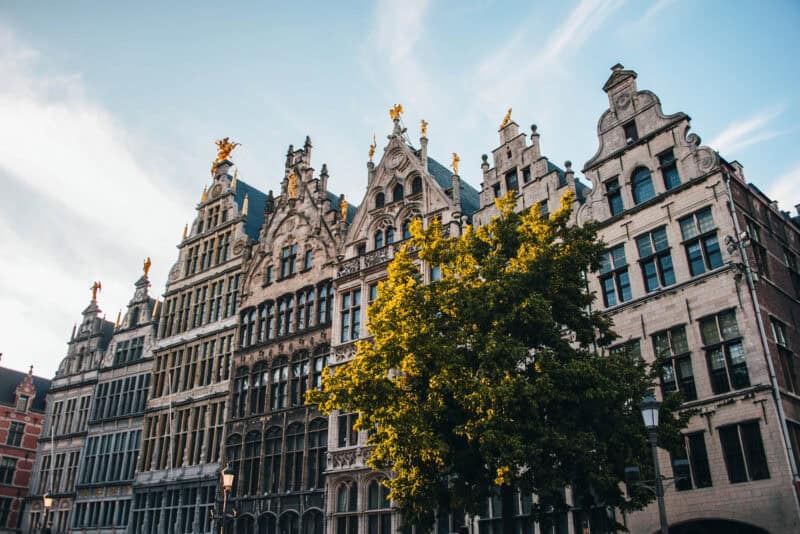
You’ve done Bruges properly. You’ve wandered the canals, stood in Markt Square, probably eaten more fries and waffles than planned, and now you’re eyeing the station boards wondering what else is within easy reach. That’s exactly the right instinct.
Bruges works brilliantly as a base. The historic centre is compact, just 4.4 km² according to this Bruges day tourism study, so you can see a lot quickly, then use the rest of your trip for smart day trips from Bruges without feeling like you’re constantly packing and unpacking. That matters even more if you’re travelling solo and want flexibility, not logistics admin.
It also helps that Bruges is set up for short, efficient exploring. The same study notes average stays have edged up from 1.62 days in 2019 to 1.70 in 2025, and more day visitors are lingering longer, which fits what a lot of solo travellers want now. Less rushing, more meaningful time in one or two places. You can spend a calm morning in Bruges, head out after coffee, and still be back in time for a beer and dinner.
For travellers staying at St Christopher’s Bruges, that’s especially handy. The Bauhaus gives you a social base without forcing the night to end early, and the location makes it easy to leave for the day then come back to somewhere familiar. That’s the sweet spot for day trips from Bruges. Low stress, easy returns, and enough variety to make a few days in town feel much bigger.
1. Ghent
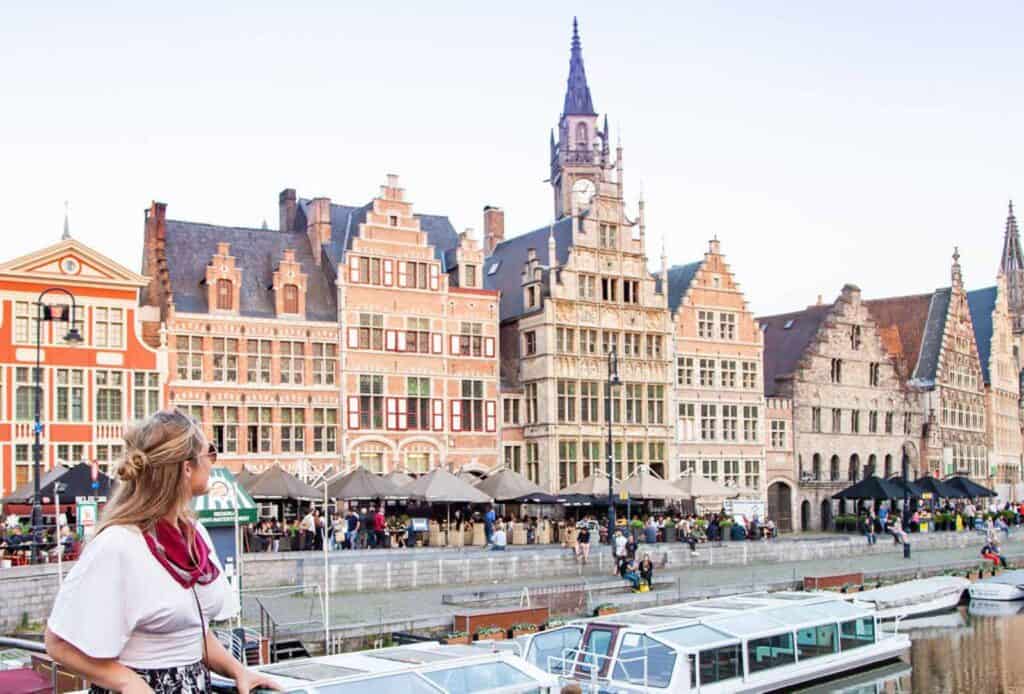
If you only do one extra city from Bruges, make it Ghent. It has the medieval good looks people come to Belgium for, but it feels less polished and more lived in. That combination works well if you’re travelling on your own and want somewhere interesting in the daytime but lively after dark.
Ghent suits people who like options. You can do churches, canals, street art, student bars, second-hand shops, and people-watching all in the same day without the city feeling scattered. It’s also one of the easiest day trips from Bruges to turn into a long day without getting tired of it.
How to spend the day
Start around Sint-Baafskathedraal if historic interiors are your thing, then drift towards the riverfront for the classic views. A tips-based walking tour is a sensible first move if you’ve never been. It helps you get your bearings quickly, and solo travellers often end up chatting to others naturally without the awkwardness of trying to force a social moment.
By afternoon, Ghent becomes more about atmosphere than ticking landmarks off. The student areas and café streets give it energy that Bruges doesn’t always have in the same way.
- Best fit: Travellers who want culture in the morning and a social evening later.
- What works well: Arriving reasonably early, seeing the central sights, then leaving room to wander.
- What doesn’t: Trying to over-plan every stop. Ghent is better when you leave some slack in the day.
Ghent is the city I’d recommend to anyone who likes Bruges but wants a version with more edge and less postcard perfection.
A good solo-travel move is to stay for an early drink before heading back to Bruges. You get the city at its most relaxed, but you’re not stuck sorting a late return when you’re tired.
2. Ostend
Need a reset from cobbles, churches, and crowded squares? Go to Ostend. It’s the day trip from Bruges I’d pick when you want air, space, and a different rhythm. The seaside changes the mood completely.
Ostend isn’t trying to be quaint. That’s part of the appeal. It feels broader, windier, a bit rougher round the edges, and more local in tone. For solo travellers, that can be a relief after the intensity of Bruges’ busiest streets.
Why it’s worth doing
The simple version is this. Walk the promenade, get lunch near the seafront, and let yourself have a less ambitious day. If you’ve been moving around Europe quickly, that can be exactly what you need.
Art travellers have another reason to go, with the James Ensor Museum adding a bit of substance beyond the beach. If you’re travelling with hostel mates you met over breakfast, Ostend also works for a loose group plan because nobody needs to agree on a strict itinerary.
A few practical truths help here:
- Pack a layer: The coast can feel cooler than Bruges even when the weather looks good.
- Lean into the promenade: It’s one of the best free things to do, especially later in the day.
- Keep food simple: A beachfront café and a plate of mussels or fries is enough. Ostend doesn’t need overthinking.
What doesn’t work so well? Treating it like a museum city. Ostend is better as a mood change than a box-ticking destination.
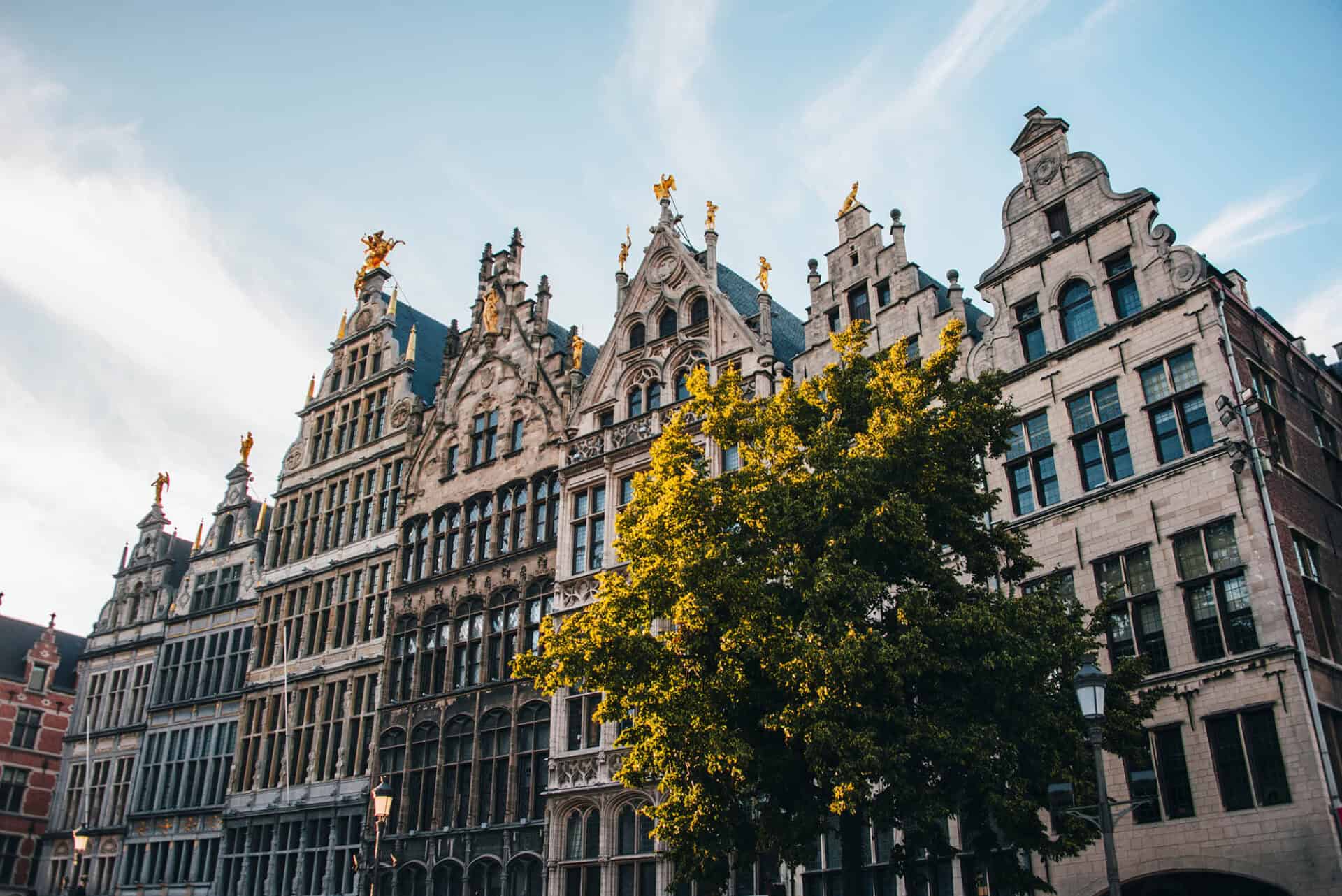
3. Antwerp
Antwerp feels bigger, sharper, and more style-conscious than Bruges. If Ghent is the easy-going alternative, Antwerp is the urban one. Go here when you want fashion, big-city energy, and a break from medieval Belgium.
The station arrival alone makes a strong first impression, and after that the city opens up in very different ways depending on what you like. You can spend hours around fashion streets and design shops, focus on museums, or just roam neighbourhoods with a coffee and no plan.
Best for independent wandering
Antwerp suits solo travellers who enjoy making up the day as they go. There’s enough going on that you won’t feel stranded if you don’t have a fixed route. That makes it one of the most flexible day trips from Bruges.
A good strategy is to use the MAS area or the centre as an anchor, then let the rest of the day unfold. The Diamond District is interesting as a walk-through, but the broader appeal is the city’s mix of polish and grit.
Practical rule: Don’t try to “do Antwerp” in one perfect route. Pick one anchor interest, fashion, art, food, or architecture, then leave room for detours.
That’s especially true if you’re travelling solo. Some places reward rigid planning. Antwerp rewards curiosity more.
Who should skip it
If what you love most about Bruges is quiet beauty and slower pacing, Antwerp might feel too busy for the mood you’re in. It’s still worth visiting, but go for the city atmosphere, not for a calmer version of Bruges. It isn’t that.
For creative travellers, though, it’s often the most memorable contrast in the region.
4. Damme
Damme is the easiest escape when you don’t want a full city day. It is close, small, and calm, which makes it ideal after a late night or a packed sightseeing run. While cycling is often the first choice for travelers, and fair enough, it is not the only smart option.
There’s a real gap in advice for budget travellers here. A lot of guides push the bike ride or organised tours, yet The Invisible Tourist’s Damme guide highlights public transport options, including De Lijn bus 38 from Bruges station to Damme in about 30 minutes for €2.50 one way. For solo travellers watching costs, that matters. A simple return by bus can stay under €5, which is a much better fit than paying for a full tour.
Bike or bus
Cycling is still lovely, especially if the weather behaves. The route is straightforward and scenic, and it gives the day more of a proper outing feel. But the bus deserves more credit than it gets. If you’re not in the mood for a ride back in the wind, or you just want a very low-effort half-day, public transport is the better call.
- Choose the bike if: You want the journey to be part of the day.
- Choose the bus if: You want budget-friendly, independent travel with less effort.
- Don’t do this: Book an organised tour unless you specifically want commentary or group structure.
If you enjoy easy cycling days in Europe, the route has the same relaxed appeal as some of the rides featured in these best cycle routes in and around Amsterdam. Flat, scenic, and manageable without being a serious sporty mission.
Damme works best when you keep expectations small. It’s not an all-day blockbuster. It’s a gentle, rewarding break.
5. Ypres
Ypres is the day trip from Bruges for when you want something more reflective. It’s not light entertainment, and it shouldn’t be treated that way. But if you’re interested in history, memory, and places that stay with you afterwards, it’s one of the strongest outings in the region.
The best way to approach Ypres is to give it proper time. Don’t rush in for one museum and leave. The experience works because the city, memorials, and surrounding sites build on each other.
How to do it well
Start with the museum so the rest of the day has context. Then move outward to key sites and return to Ypres itself later. If you’re solo, this is one of those places where a guided element can add value because it helps connect names, locations, and events.
The Menin Gate ceremony is the emotional centre of the day for many visitors, and it’s worth planning around. If you leave too early, the trip can feel unfinished.
A lot of solo travellers come back from Ypres saying it changed the tone of their whole Belgium trip. That makes sense. It adds weight and perspective.
For travellers who actively seek out Europe’s most meaningful historic destinations, St Christopher’s has a wider guide to the best cities in Europe for history buffs, and Ypres sits comfortably in that category.
Here’s a useful primer before you go:
Go to Ypres when you have the headspace for it. It rewards attention and feels diminished if you treat it like a quick stop.
What doesn’t work? Cramming it into a casual half day. This one needs room.
6. Sluis
For a cross-border day that still feels easy, Sluis is a smart pick. You get the small thrill of going from Belgium into the Netherlands without needing a complicated plan, and the route itself is half the point.
Many people reach Sluis by bike via Damme, and that remains the most enjoyable option if you like active days. But there’s another angle worth knowing. The broader push towards greener travel has made this kind of outing more appealing, especially for travellers who want low-impact choices.
A travel overview of day trips from Bruges points to newer sustainable options, including expanded e-bike access through Bruges’ wider eco push, and notes projections around lower-cost rentals and the bus to Sluis as a lower-emissions alternative to going by car in the region, according to this day trip planning resource. The exact route you choose depends on your energy more than anything else.
The real trade-off
Cycling to Sluis is more memorable. A bus is easier. That’s really it.
If the weather is decent and you’ve got a half-day of energy in your legs, do the ride. The sense of movement, open surroundings, and gentle border crossing gives the trip character. If you’re tired or travelling with people who aren’t keen cyclists, simplify it.
- For active solo travellers: Bike it and stop without over-planning.
- For relaxed travellers: Use public transport and keep the day light.
- For everyone: Bring ID and don’t assume your phone signal or maps will be flawless everywhere.
Why solo travellers like it
It feels slightly more adventurous than it really is. That’s a good thing. You get the satisfaction of doing something a bit different, but the logistics stay manageable.
Sluis is one of those trips that feels more interesting than difficult, which is exactly what you want when travelling on your own.
7. Lille
Lille gives you a proper change of country, language, and atmosphere in one go. If you’re based in Bruges but want a day that feels distinctly un-Belgian, this is the strongest option on the list.
French city breaks can sound expensive or effortful, but Lille is often more approachable than people expect. It has grand architecture, serious culture, and a youthful buzz without demanding Paris-level commitment. That makes it one of the more rewarding day trips from Bruges if you’re staying a few nights and want variety.
Why it works as a solo day
Lille is easy to enjoy alone because the city centre is walkable and visually rich. You can spend the morning in museums or old streets, have a bakery lunch, then use the afternoon for parks, markets, or a slower wander through cafés and squares.
The appeal is less about cramming in attractions and more about atmosphere. You notice the shift straight away. Different shopfronts, different rhythms, different food stops. That can make one day feel surprisingly full.
- Strong choice for: Art lovers, language learners, and anyone craving a city with a different identity.
- Best approach: Book transport in advance if you can, then keep the day itself fairly open.
- Main drawback: Late evening spontaneity is harder if you’re returning the same day.
One practical note. Lille is worth it when you commit to it as a full outing. Don’t leave too late from Bruges or you’ll spend more of the day in transit than the city deserves.
If you’re the sort of traveller who likes comparing how nearby cities feel against each other, Lille delivers one of the clearest contrasts on this list.
8. Brussels
Brussels is the biggest, busiest, and most layered option here. Some travellers click with it straight away. Others need a few hours before it makes sense. Either way, it’s worth doing because it offers what Bruges doesn’t. Scale, diversity, museum depth, and proper capital-city energy.
This is one of the few day trips from Bruges where I’d say planning matters more. Not because Brussels is difficult, but because it’s easy to waste time if you drift without a rough outline.
What to prioritise
Grand Place is the obvious start, and that’s fine. It’s popular for a reason. From there, choose your lane. Art, food, comic culture, general wandering, or neighbourhood cafés. Brussels gets better when you stop trying to see everything.
Food-focused solo travellers usually do well here because it’s easy to build a day around snacks and stops rather than formal meals. Museum people also get good value because the city gives you enough choice to tailor the day to your interests.
Brussels can be socially easy too. Join a walking tour early on and you’ll often have people to chat with for part of the day, even if you split off later.
The honest downside
It can feel hectic after Bruges. The shift is real. If you’re already tired, Brussels might be too much. If you want stimulation, though, it’s perfect.
This is also the place where an overnight extension can make sense more than a strict day trip. Bruges is compact and calm, while Brussels carries on later and gives you more reason to stay out. If you decide to stretch the trip, St Christopher’s Inns has other central European bases for city-hopping travellers, but Bruges still works beautifully as the quieter home base you return to.
Making Bruges Your Home Base
You leave after breakfast, spend the day by the sea or in a bigger city, and still make it back to Bruges in time for a decent dinner and a drink without hauling your bag around. For solo travellers, that matters more than people admit. A fixed base cuts decision fatigue, keeps transport simple, and gives you one place that already feels familiar by day two.
Bruges suits that style of trip because the city is easy to handle on your own. The centre is walkable, the station is straightforward, and getting back late never feels like a major operation if you plan around the last trains. It also pays to use Bruges strategically. Analysts at Osservatori.net found that Bruges receives heavy visitor pressure, especially in the historic core between midday and early evening. The practical takeaway is simple. Sleep in Bruges, enjoy the quieter morning and evening hours there, and use the busiest part of the day for your trip out.
That rhythm works well if you want variety without turning the whole break into constant check-ins and check-outs. Bruges gives you easy access to low-effort half days such as Damme, Sluis, or Ostend, and it also works for longer rail days to Ghent, Antwerp, Brussels, Ypres, or Lille. The trade-off is that some bigger-city days will start early and finish a bit later, especially if you want museums, dinner, and time to look around properly. For most solo travellers, that is still a better deal than changing hotels every night.
It can also keep costs steadier. Day trips from Bruges are easy to scale up or down depending on your budget. One day might be a bike hire and a café stop. Another might be a museum-heavy city day with pricier train fares. Having one base helps you control the expensive bits because you are not repeatedly paying the time and money cost of moving on.
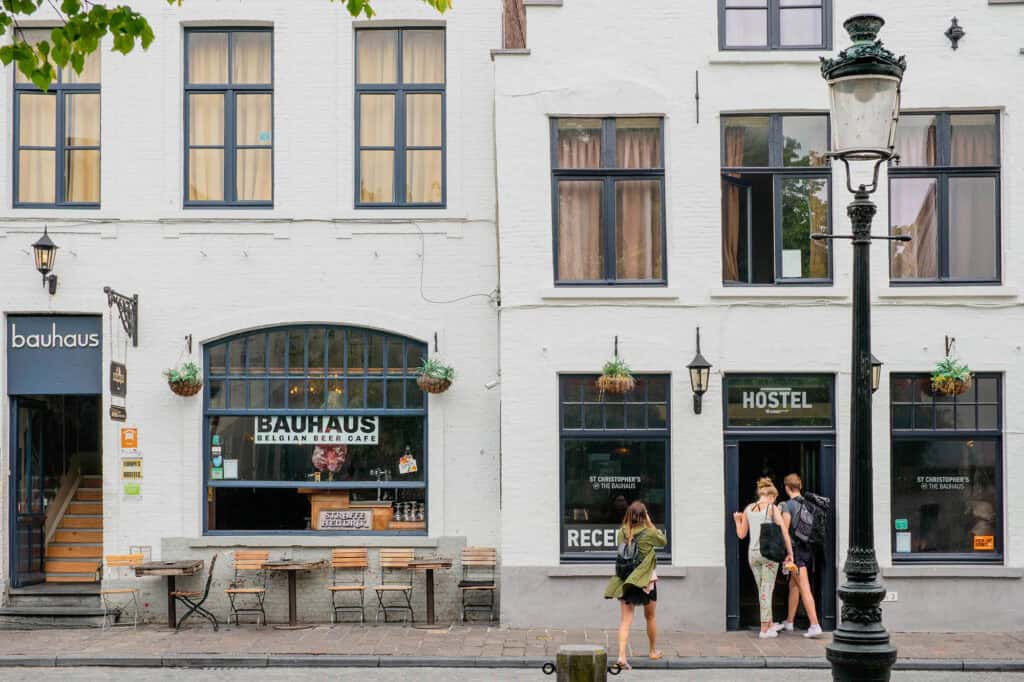
St Christopher’s Bruges makes this setup even easier if you want the social side without committing to a party trip. You can head out solo in the morning, then come back to Bauhaus for food, a pint, and the kind of common-space conversation that makes it easy to meet other travellers your age. That is useful after places like Ypres, which can feel quite heavy, or after a quieter half-day in Damme or Sluis when you still want some evening atmosphere.
There is a practical budget angle too. If you book direct with St Christopher’s Inns, you get the best rate, a free welcome drink, free cancellation, and 25% off food during your stay. On a trip built around several day outings, that can cover a fair chunk of your train fares or a couple of museum entries.
Bruges works because it keeps the admin low and the options open. You get a calm, manageable base by night and eight very different day trips within easy reach by day.