European Remote Working City Index: 7 Cities Ranked
Sophie
Which European city suits the way you work, not just the way you travel? Remote-work rankings often weigh rent, broadband...
Share This Article
Which European city suits the way you work, not just the way you travel? Remote-work rankings often weigh rent, broadband and coffee prices, but overlook practical questions: can you work legally, find a socket, and get out of the house after work?
This European Remote Working City Index compares seven cities across six practical metrics: cost of living, internet speed, coworking availability, safety, nightlife and visa accessibility. The aim is to help you judge what a fortnight of work might look like, rather than a weekend break.
Each city has trade-offs, and some are better suited to a shorter visit than a long stay. The recommendations also consider where you can stay and how the surrounding neighbourhood works for a working day.
Remote work has become part of working life for many people. House of Lords research on home working reports that up to 49% of the UK workforce worked from home at some point during early 2020. That shift helps explain the appeal of choosing a city where you can work comfortably, meet people and make the most of your time outside working hours.
1. London, England
London wins on depth: more coworking desks, more cafes whose Wi-Fi will hold a call, and more evening events worth leaving the laptop for than the other cities on this index. The time zone helps too. A 9am call still reaches Berlin, and a 4pm call still reaches New York, without anyone losing sleep.
Cost is the weak metric. Everything else is easier to solve if you pick the neighbourhood for the kind of day you need.
Where the working day actually happens
Shoreditch and the City take the day-pass crowd. A hot desk in central London costs noticeably more than a cafe table, so compare day passes before you book rather than grabbing the first space by the station. If you’d rather not pay, the reading rooms at the British Library and the Wellcome Collection are free, quiet and serious about silence. Camden suits anyone who wants noise and people around them by mid-morning.
The national picture explains why desks vanish after 9am. The Office for National Statistics analysis of hybrid working found 28% of working adults in Great Britain worked in a hybrid arrangement between 8 January and 30 March 2025, broadly steady on the 28% recorded in October 2024. That’s a lot of people competing for the same corner seats near transport hubs.
Price your week before you commit to it. Seven days of cafe spending usually costs more than a coworking pass, and knowing which one you’re doing stops the drift.
The practical bits
Plan around the Tube, not the meeting. Peak hours run roughly 7am to 9.30am and 4.30pm to 7pm, so don’t build a call you have to sprint to.
Carry a backup connection. A phone hotspot saves more deadlines than any cafe’s guest network.
2. Paris, France
Need to be in an office by mid-morning and still want a city that is not London? An early Eurostar drops you at Gare du Nord with time to spare, which is why Paris is the only stop on this list you can reach before your first meeting. Use it when you have to show your face occasionally and want a different view for the rest of the week.
The working day runs slower than London’s, and that slower pace is the point. Cafes treat a long sit as normal if you order properly. The Canal Saint-Martin stretch is full of people doing exactly what you are doing: laptop open, one drink, no rush to leave.
The bit nobody ranks
Visa and employer rules matter more here than download speed or how many coworking desks a ranking claims. A report on digital nomad costs and remote working policy notes that the share of UK firms with an international remote working policy rose from 59% in 2023 to 77% in 2025, that 99% of those firms allowed overseas work subject to approval or defined limits, and that only 15 European countries had a true digital-nomad visa when the data was collected.
A strong score on cost, nightlife or safety does not create a visa. Approval is the word that matters. Ask before you book, get the answer in writing, and find out the maximum number of days you are allowed to work abroad.
Ask first, book second: a two-line email to your manager and HR protects you from a tax question you really don’t want in April.
Where to work and where to sleep
Mornings are the quiet window in most cafes. Power sockets go first around lunchtime, so arrive early if you need to plug in. A weekly or monthly metro pass beats single tickets once you are making a few trips a day. A handful of French phrases gets you a better table.
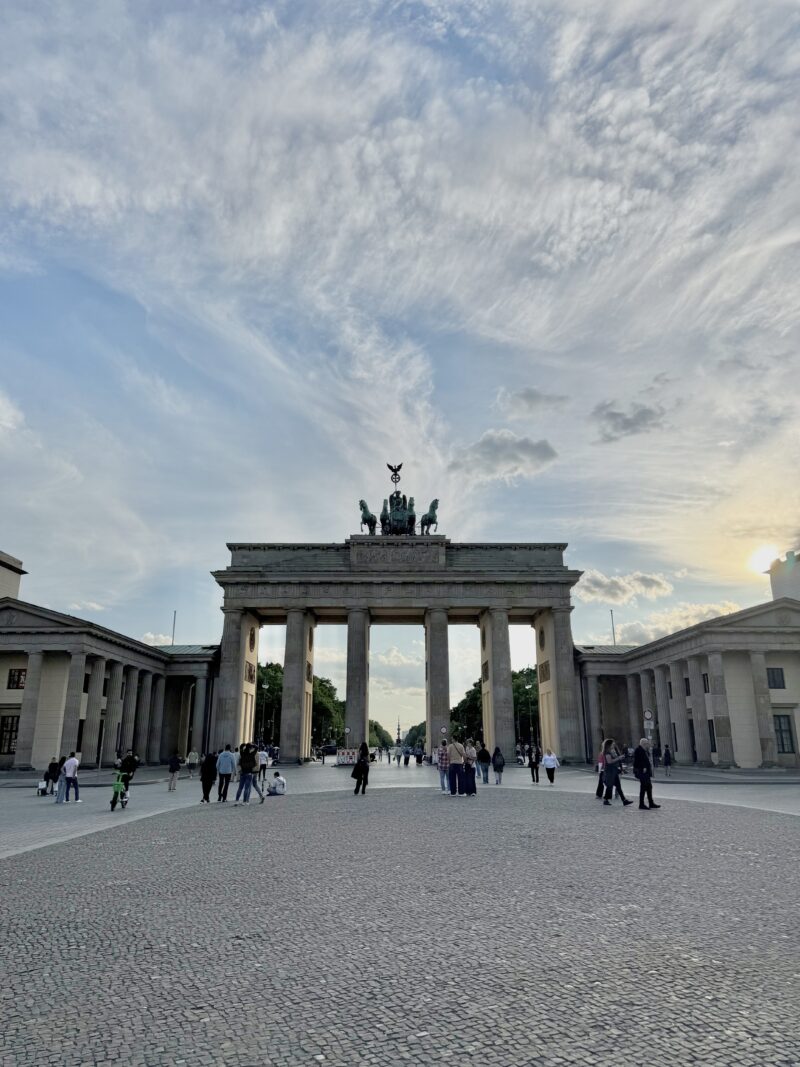
3. Berlin, Germany
Berlin is the cheapest of the big cities on this index. Open a laptop at 2pm on a Wednesday and nobody looks up.
Why the numbers lie
A single download figure will flatter a city that is ordinary on everything else you need. A 2025 UK remote-working city benchmark reported by the Lancaster Guardian put Southampton first with 64.97/100, backed by 279.3 Mbps average download, 174.9 Mbps upload and 8.90 coworking spaces per 100,000 residents, and Lancaster second on 53.84, with 190.6 Mbps download, 99.9 Mbps upload and 1.41 coworking spaces per 100,000.
Southampton led on download, upload and desks per head. Upload speed and coworking supply are part of the score, not a footnote under a big Mbps number. Berlin has desks in abundance. Test upload before you sign a coworking contract.
Working Mitte
Mitte earns its place as the default base: walkable, central, cafes on every corner. Factory Berlin is the best-known coworking community for founders and freelancers. When you want a break that is not another screen, Museum Island groups five museums on one ticket.
Buy one coffee, run a speed test and check whether the seats near sockets are already taken before you commit to a long call. A monthly S-Bahn and U-Bahn pass pays for itself quickly if you are making a few trips a day. Smaller cafes and market stalls still refuse cards more often than you would expect, so keep some cash.
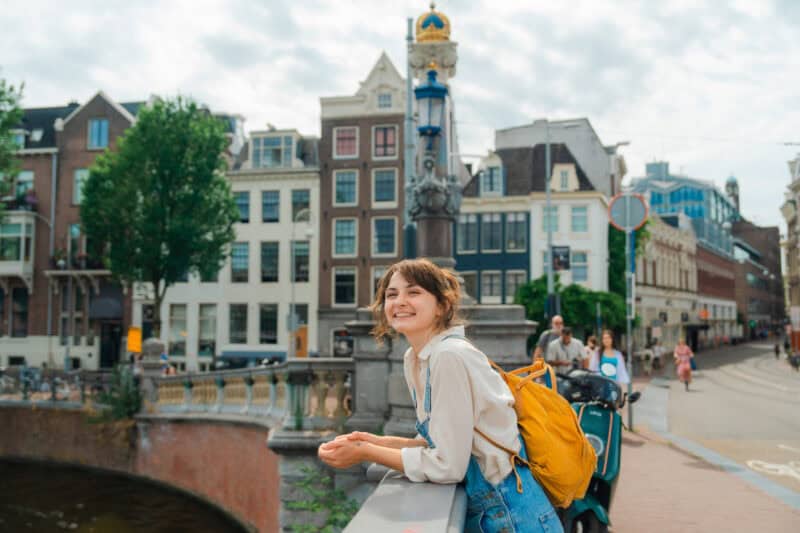
Amsterdam is the smallest big city on this list, and the one where the commute is a bicycle. Almost everything inside the ring is 15 minutes away, which changes how you structure a day: one block of deep work, one errand, one long lunch, home before the rain.
Work with the tourist tide
Cafes in the Jordaan and Oud-West are quieter than the centre and full of people typing. Anything within a couple of streets of Dam Square is a lost cause between June and August, so front-load the heavy work into mornings and take the afternoon off when the crowds peak. English is widely spoken, which makes client calls easy and language practice lazy.
Pay by card. Trams and the metro run on contactless, and plenty of places would rather not take cash at all.
Learn the bike rules. Cycle lanes are one-way, trams don’t stop for you, and the rails will catch your wheel in the wet.
Base near Centraal. Trains to Utrecht, Rotterdam and Brussels all leave from one hall, which turns day trips into easy decisions.
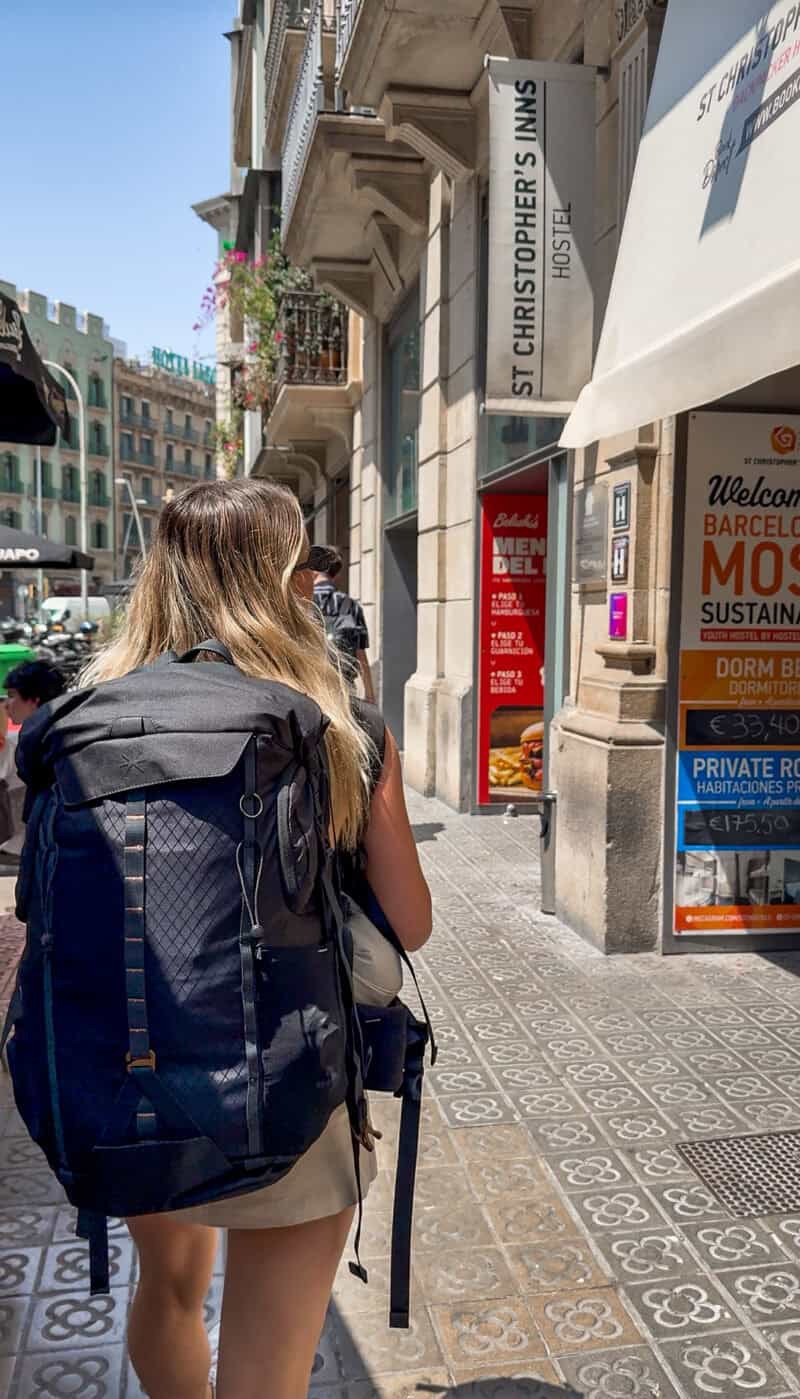
5. Barcelona, Spain
Could Barcelona’s social life help you settle in, or make it harder to protect work time? The city suits remote workers who want lively evenings, but a workable routine depends on choosing a quieter daytime base and planning around the heat.
Research on almost 5,000 internationally mobile workers, published as part of a European remote worker index, found that 31% of British respondents experienced mental-health struggles abroad, while only 20% said their employers were fully supportive and 24% felt their career had suffered. The research also found that 46% of nomads stayed in one city for less than seven days, and 33% stayed between seven and 30 days. For a short stay, a hostel common room can make it easier to meet people than a studio where you spend evenings alone.
The working week, Mediterranean style
Gràcia and El Born are practical districts for daytime work, with small cafes that tend to suit solo laptop sessions better than the beachside spots. Work in the morning and early afternoon, then take a longer break during the hottest part of the day. You can return to your tasks around 5pm, when the city starts to pick up again. The trade-off is a later working rhythm, so schedule calls around it.
Spain’s digital nomad visa is a route for non-EU remote workers. Start the paperwork before booking flights, since arranging it after arrival can make the move more complicated.
one where the evening has a default answer.
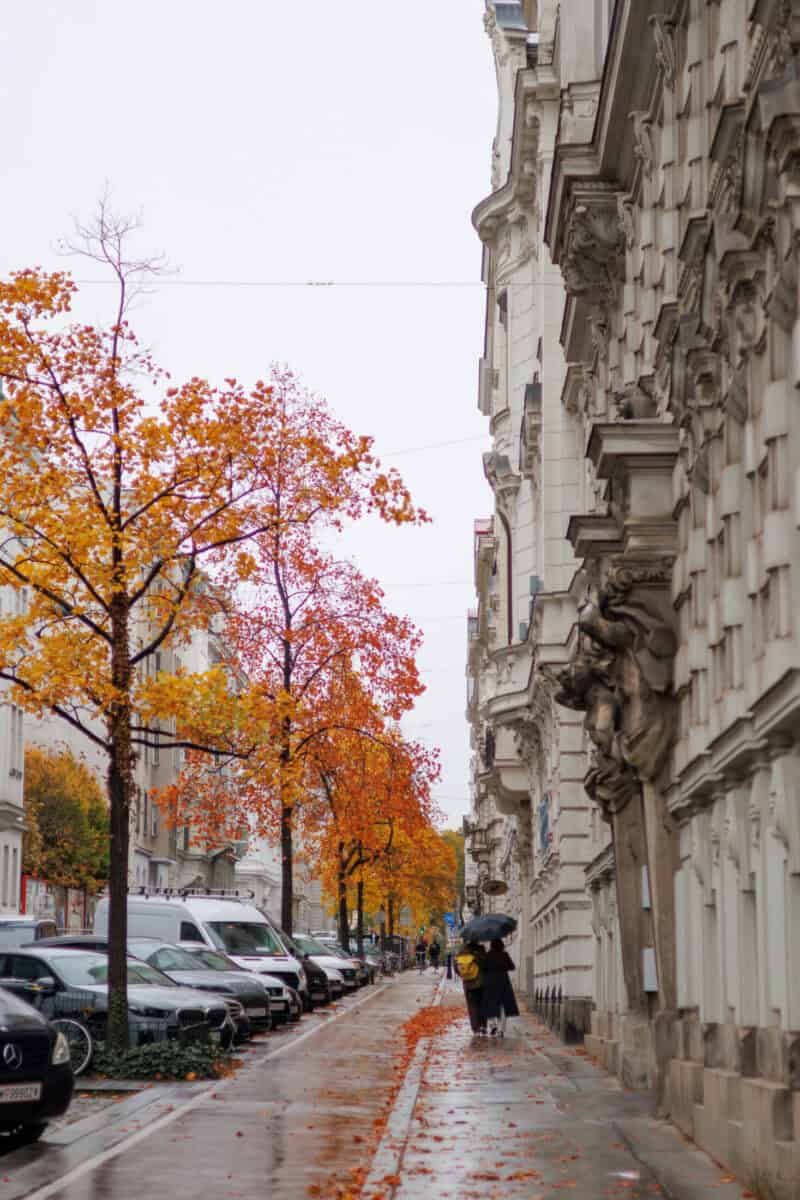
6. Vienna, Austria
Vienna is the quiet option, and it’s underrated for exactly that reason. The coffee house is a working institution here. Nobody minds if you sit with one melange and a notebook for two hours, as long as you keep ordering.
Coffee house etiquette
Waiters expect a second order if you’re staying, so plan on a drink roughly every 90 minutes and tip by rounding up. Don’t spread a full desk setup across a marble table at peak times, and treat Sunday as a day to plan around, because most shops close and you’ll want food bought on Saturday.
Getting around and getting out
The transport network is quick enough that you can stay anywhere near a U-Bahn stop and still be central in 15 minutes. Weekly and monthly passes are the value play if you’re there longer than a few days. Riverside paths and the Prater give you a proper walk between calls instead of a lap of the kitchen.
Could you work well in a city that’s easy to cross on foot? Edinburgh’s compact layout makes it practical to switch between Old Town’s atmosphere, New Town’s quieter cafes and Georgian streets, and Waverley station for trains to London or Glasgow.
When the city doubles in size
August brings the festival crowds. Beds and cafe tables fill quickly, so book months ahead and expect higher costs for less choice. The trade-off is a busy calendar of launches, networking and events. For quieter workdays and lower costs, choose another month.
Waterproof over umbrella. The weather can turn mid-walk, and wind can make an umbrella impractical.
Use day passes for quiet. Library memberships and day passes offer alternatives to noisy cafes when you need to concentrate.
Book August early. Availability moves fast, and prices rise as the city fills.
European Remote Working City Index at a Glance
Each city is assessed across six practical measures: cost of living, internet speed, coworking availability, safety, nightlife and visa or travel access. The table focuses on the day-to-day trade-offs, including where connectivity may need a check before a long call.
City
Cost of Living
Coworking Availability
Internet & Connectivity
Nightlife
Best For
London, England
High, especially for central stays and coworking
Extensive spaces, day passes, cafes and libraries
Strong mobile coverage, public Wi-Fi and transport links
Lively bars, pubs and frequent meetups
Networking, client access and a broad choice of workspaces
Paris, France
High; coworking can be costly
Many chain and independent spaces, plus laptop-friendly cafes
Reliable cafe Wi-Fi and extensive metro and rail connections
Bistros, bars and a rich cultural scene
Culture, food and connections to European cities
Berlin, Germany
More affordable than London or Paris
Wide choice of coworking spaces, cafes and libraries
Good city transport; cafe Wi-Fi can vary
Lively social scene and regular professional meetups
Freelancers seeking affordability and a creative community
Amsterdam, Netherlands
High, especially for accommodation in peak months
Good coverage of coworking spaces and cafes
Strong transport links and an international, English-speaking community
Social bars and a lively central scene
International professionals who value a compact, bike-friendly city
Barcelona, Spain
Moderate by European standards; summer crowds can raise costs
Growing nomad scene with coworking spaces and cafes
Good metro links and widely available cafe Wi-Fi; test upload speed before long calls
Tapas bars and a strong social scene
Outdoor living, warm weather and a digital nomad community
Vienna, Austria
Central stays and coworking can be expensive in peak seasons
Growing coworking scene and established coffee house culture
Reliable infrastructure and efficient public transport
Concerts, museums and a calmer evening scene
Focused work, cafe culture and high quality of life
Edinburgh, Scotland
Costs rise sharply during August festivals
Coworking spaces and cafes are concentrated in the centre
Good rail links and reliable Wi-Fi in central cafes and libraries; check it before long calls
Strong cultural calendar, especially during festival season
A compact city, creative community and cultural events
Pick Your City, Book Smart, Start Working
Choosing between these seven comes down to three questions, in this order.
What’s your budget floor? Berlin gives you the most working day for the least money. London and Amsterdam are the two where a week of cafe-and-desk spending adds up fastest, so buy a coworking pass rather than improvising.
What season are you travelling in? August means Edinburgh, booked months ahead, at peak prices. June to August in Amsterdam means working early and hiding from the crowds. Barcelona in midsummer means mornings and late afternoons with a long siesta-shaped hole in the middle.
Can you legally work there? Sort this before anything else. Check your employer’s overseas policy, get the approval in writing, and confirm your permitted stay. A city that ranks brilliantly is useless if your contract doesn’t stretch that far.
If you’re on the fence between a long stay and a city-hopping trip, go city-hopping and let one place keep you. That’s how many travelers end up settling into a favourite for a month.
Pick your city, check the visa question, then book direct and get on with the work.
St Christopher’s runs 16 hostels across nine European cities, with central properties in London, Paris, Berlin, Amsterdam, Barcelona, Vienna, Edinburgh and Bruges, plus on-site bars where the working day ends with people instead of a laptop screen. Booking direct gets you at least 5% off the best online rate, no deposit, flexible free cancellation, 25% off food and a free welcome drink, which makes a working week abroad considerably easier on the budget. Have a look at St Christopher’s and pick your base before the good desks go.
Our direct rates are guaranteed to be at least 5% cheaper than anywhere else online, with a free drink on arrival, 25% off food at the bar, and free cancellation options available.