Vienna can be explored at no cost through public squares, imperial exteriors, parks, markets and self-guided routes, with the Donauinsel alone offering a 21 km free corridor for walking, cycling, swimming and people-watching. Selected experiences, such as standing-room opera and tip-based tours, may still involve practical costs even when the headline attraction is free.
Vienna’s grandest experiences often begin outside ticket barriers. You can admire Gothic stonework, Baroque gardens, imperial courtyards and modern cultural spaces without building your day around admission fees, provided you know which access is free year-round and which depends on a particular Sunday, opening period or event schedule.
That distinction matters for solo travellers. A free exterior visit is useful on a sunny morning, but less so when rain arrives. A free museum day can save money, but it may also be busier than an ordinary afternoon. The most reliable approach combines permanent no-cost sights with flexible outdoor routes, then leaves room for one optional cultural splurge if you want it.
This guide focuses on free things Vienna offers beyond a standard attraction list, including quiet visiting times, walking routes, transport considerations, accessibility trade-offs, weather backups and easy ways to meet people without turning the day into a costly organised excursion.
1. Stephansdom Cathedral and St Stephen’s Square
Stephansdom is the obvious landmark, but it rewards a slower visit than a quick photograph from the middle of Stephansplatz. The cathedral’s coloured roof catches the eye first, while the main interior offers a quieter contrast to the busy square outside. Entry to the main cathedral space is free, although tower climbs, catacombs and other restricted areas may require a ticket, so check what you’re being invited to enter before joining a queue.
Early morning is the best time for the free portion. Arriving around 7am or 8am is particularly useful if you want to sit, look up at the Gothic vaulting and avoid the busiest pedestrian flow. Services can affect access, and occasional organ performances may be connected to special services rather than operating as a regular free concert, so treat them as a fortunate extra rather than the reason for your visit.
Make the square part of the experience
Stephansplatz is a useful meeting point for solo travellers, with street performers, cafés and several routes leading into quieter lanes. Wander along the small streets around the square after visiting the cathedral, especially if you want atmosphere without committing to a restaurant.
Practical rule: The cathedral nave is free, but a viewpoint, guided area or underground visit isn’t automatically included. Ask before paying.
The tile roof looks especially striking in softer evening light, while the square becomes livelier and less reflective than it is first thing.
2. Ringstrasse Walking Tour
The Ringstrasse turns Vienna into an open-air architecture route. Walking it costs nothing, and the sequence of opera house, imperial buildings, museums, Parliament, Rathaus and public spaces gives you a strong sense of the city without requiring an interior ticket.
The boulevard replaced the medieval city walls during the 1850s to the 1880s, and UNESCO describes the Ringstrasse as a masterpiece of urban design in its recognition of Vienna’s historic centre. You don’t need to complete every stretch in one go. Start at Stephansplatz, head towards the Vienna State Opera and continue counterclockwise, stopping whenever a façade, statue or public square catches your attention.
Walk it in sections
An early start, around 6am or 7am, gives you clearer pavements and better conditions for photography. If that feels too early, divide the route into short sections across different days. The route works particularly well as a framework for a flexible itinerary because you can step into MuseumsQuartier, the Hofburg or a park whenever the weather changes.
Download an offline map before leaving, then mark public toilets, cafés and rest points rather than relying on a strict sightseeing timetable. That makes the walk more manageable for solo travellers and anyone who needs regular breaks.
Vienna’s parks provide some of its best budget-friendly hours because they let you slow down between formal sights. Schönbrunn’s gardens are the grandest option, with formal paths, fountains and views towards the palace, while Prater, Augarten, Stadtpark and neighbourhood green spaces offer very different moods.
Most of the grounds and public parks are free to enter. Schönbrunn gardens are more exposed and popular, so late afternoon often feels calmer than the middle of the day. Prater is useful when you want a livelier setting, but remember that the park itself is free while rides and attractions inside it charge separately.
Pick the park to match your day
Schönbrunn gardens: Choose these for imperial views, formal landscaping and a longer wander, but check seasonal opening hours before travelling.
Augarten: Go here for a quieter, less central atmosphere and broad paths that suit an unhurried walk.
Stadtpark: Use it as a central rest stop, especially if you want statues, shade and an easy connection with the Ringstrasse.
A picnic from Spar or another supermarket keeps the visit affordable, although you should check local rules before eating in formal garden areas.
4. Vienna State Opera Free Standing Room
The Vienna State Opera is free to admire from outside at any time, but performance nights can offer a more unusual low-cost opportunity. Standing-room access, known as Stehplatz, may be available for selected performances, giving you the chance to experience the auditorium without buying a seated ticket.
This isn’t the same as guaranteed free entry. Availability, performance schedules and access arrangements can change, so check the official programme before setting your evening around it. You’ll also need to queue, and standing through an opera or ballet demands more stamina than a conventional sightseeing stop.
Treat the queue as part of the plan
Arrive roughly 60 to 90 minutes before the performance if you want a better chance of a useful standing position. Wear comfortable shoes, bring water and carry something small to read while you wait. Performances often begin around 7pm, but the exact time depends on the programme, so confirm it with the Vienna State Opera’s official schedule.
The experience suits solo travellers because you don’t need to coordinate seats or keep conversation going throughout the evening. It can also become a good hostel social plan.
If standing isn’t practical for you, the building remains worthwhile as a free exterior visit. Its grand entrance and surrounding streets work well as part of a Ringstrasse walk, especially around dusk when the façades begin to glow.
5. Danube Canal Riverside Walk
The Danube Canal offers a different Vienna from the imperial centre. Its riverside paths bring together street art, bridges, public seating and an informal evening atmosphere, with routes that work for walking, cycling or watching the city move around you.
Start near Rossauer Lände and follow the canal downstream. The route is easy to adapt, which makes it useful on a first evening when you want to orientate yourself without paying for an attraction. Around 5pm onwards, outdoor spaces generally become more sociable, particularly in warmer weather, although the atmosphere changes with the season and the day of the week.
Free route, optional spending
Walking and photographing the canal cost nothing. Outdoor bars, food stalls and cafés line parts of the route, so it’s easy to turn a free walk into an expensive evening if you follow every tempting stop. Bring a snack or buy food only when you want it, rather than treating every riverside venue as part of the itinerary.
Cycling can extend the outing, but bike hire is an additional cost and isn’t necessary for enjoying the canal. Sunset is particularly good for photographs, while daytime is often more comfortable if you have mobility concerns or prefer clearer visibility.
6. MuseumsQuartier Courtyard and Plazas
MuseumsQuartier proves that a cultural district doesn’t have to be entered through a museum ticket desk. Its courtyards and public plazas are free to explore, with modern seating, open space and striking views of buildings such as the Leopold Museum and MUMOK.
Visit early if you want photographs without many people, or arrive in the evening when locals and visitors use the courtyards as informal meeting spaces. The area works particularly well for a solo traveller who wants to read, eat a supermarket picnic or sit near other people without needing to start a conversation immediately.
Separate the complex from its museums
The museums inside MuseumsQuartier charge according to their own rules, although some institutions offer free or reduced access at selected times. Check each museum’s official website on the day you plan to visit rather than assuming that the courtyard means the exhibitions are free.
The plazas also connect naturally with the Hofburg and Ringstrasse, so they’re easy to add to a walking route. If a free walking tour starts here, confirm whether the guide operates on tips, as “free tour” usually means no advance ticket price rather than no expected contribution.
For a low-cost afternoon, buy provisions before arriving, choose a seat in the courtyard and treat the surrounding architecture as the main attraction. In summer, evening gatherings can make it easier to meet people, while early morning is better if crowds and noise make social spaces tiring.
7. Hofburg Palace Exterior and Select Free Interior Areas
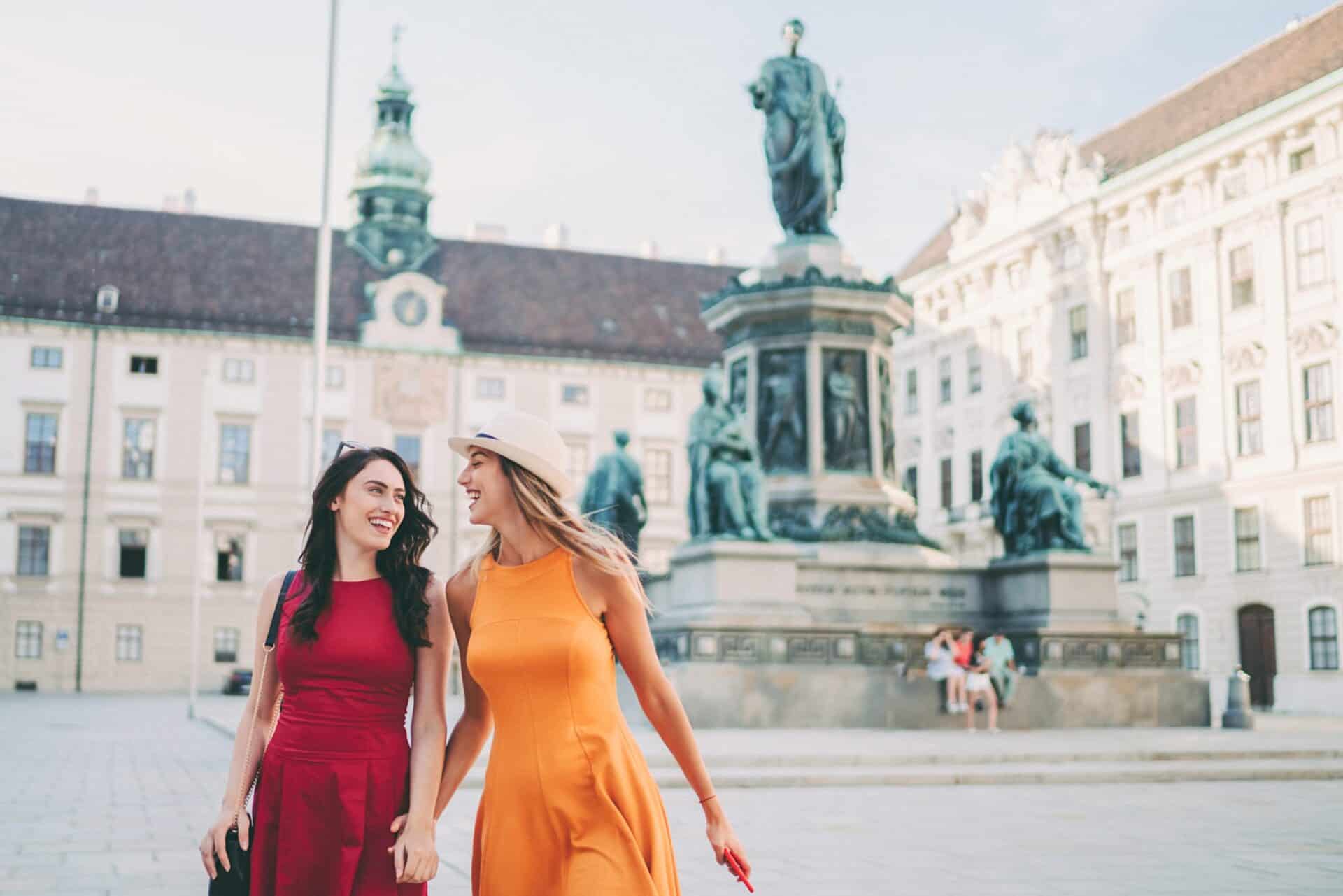
The Hofburg is best approached as a complex of courtyards and public routes rather than a single free attraction. Its exteriors, Michaelerplatz, Heldenplatz and several open spaces provide substantial sightseeing without admission, while the Imperial Apartments, museums and Spanish Riding School require separate arrangements.
Enter through the main gate at Michaelerplatz to understand the scale of the complex, then continue into the In der Burg courtyard. Heldenplatz is particularly useful for photographs, with broad views of the palace façades and surrounding civic architecture. Early morning, before 9am, tends to be more comfortable for wandering because the courtyards feel less congested.
Know where the ticket boundary begins
Don’t assume that a doorway inside the palace is public because the outer courtyard is free. Look for signs, ask staff and treat any marked exhibition entrance as paid unless the current official information says otherwise. Museums in the complex may participate in recurring free access schemes, but those dates need checking before you travel.
The Hofburg pairs naturally with the Ringstrasse, MuseumsQuartier and Stephansplatz, so it can form part of a full walking day. It also suits travellers who need flexibility. You can explore for half an hour, stop for a rest or continue to another courtyard without losing money on an unused ticket.
8. Naschmarkt Free to Explore
Naschmarkt is free to browse, but it’s easy to confuse a no-cost visit with a free meal. Walking between stalls, looking at spices, produce and prepared food, and accepting samples when vendors offer them costs nothing. Buying lunch, coffee or a sit-down meal does not, so decide in advance whether you’re visiting for atmosphere or food.
Morning, around 8am to 10am, is best for calmer browsing and photography. From 6pm onwards, the market and nearby cafés can feel more sociable, although the atmosphere and opening arrangements vary by day. The market’s mix of Austrian, Turkish and other international food traditions gives solo travellers plenty to explore without needing to choose a formal restaurant.
Browse first, spend second
For a free visit: Walk the length you fancy, inspect the stalls and take photographs respectfully.
For a controlled meal: Set a budget before ordering, then choose one filling street-food item instead of grazing at several stalls.
For easy access: Use the nearby U4 or U6 connections and check the return route before settling into the evening.
For weekend atmosphere: Look around the adjacent flea-market area when it’s operating, but expect a busier experience.
Use this guide to Vienna’s best food markets for ideas on combining Naschmarkt with other market stops. You can also use this budget meal planning for families resource if you’re travelling with a group and want to control food spending before the day begins.
9. Belvedere Palace Gardens
The Belvedere is often associated with Klimt’s The Kiss and the palace’s paid art collection, but you can visit the exterior grounds, courtyards and gardens without buying entry to the galleries. That makes it a strong choice when you want Baroque architecture and formal landscaping rather than an indoor museum visit.
The gardens are most rewarding when you take time to look back from the upper terraces towards the lower palace and city. Mid-afternoon can offer a better balance of light and crowd levels than the busiest part of the day, while spring brings particularly attractive planting. Off-season visits can feel quieter, but conditions and access may vary, so check the current information before setting out.
Avoid the most common misunderstanding
The garden is free. The Klimt collection isn’t automatically free, and seeing the palace from outside doesn’t give access to the exhibition rooms. If The Kiss is your priority, treat the gardens as a separate free experience and decide whether the paid interior belongs in your budget.
Tram D offers a practical connection from the city centre, but walking the surrounding streets can also turn the visit into a wider architectural route. Bring a picnic if you want to stay longer, although choose a suitable public area rather than assuming every formal garden section allows eating.
Vienna’s free walking tours are usually tip-based rather than entirely costless. You join a guided route through areas such as Stephansdom, the Hofburg and the Ringstrasse, then decide what to give the guide after considering the quality and usefulness of the experience.
That model can work well on arrival because a guide gives you historical context quickly and helps you understand the layout of the centre. It also suits solo travellers who want to meet people without booking a private activity. Groups can be large, though, and the pace may not suit anyone who needs frequent stops or prefers a quieter visit.
Choose the right tour for you
Main city-centre departures are often advertised around 11am or 2pm, with meeting points such as Stephansplatz, but schedules change. Arrive around 10 minutes early, confirm the meeting point and check whether the tour runs in poor weather. Some evening routes offer a different view of the city, especially around illuminated squares and the canal.
A sensible tip depends on your experience, the guide and your budget. Don’t feel that a “free” label removes the social expectation to contribute, but don’t commit to an amount before you know whether the tour suits you. Ask the guide for local suggestions at the end, particularly for free events, quiet cafés or evening areas that aren’t obvious from a standard map.
Top 10 Free Vienna Attractions Comparison
Attraction
Implementation complexity
Resource requirements
Expected outcomes
Ideal use cases
Key advantages
Stephansdom Cathedral & St Stephen’s Square (Stephansplatz)
Low, simple visit; optional tower climb
Mostly free; tower €5; moderate stairs if climbing
The best way to use these free things in Vienna isn’t to race between every landmark. Build a route around neighbourhoods, opening windows and your energy, then keep one flexible outdoor option available in case a museum-free day is crowded or the weather changes.
For a classic first morning, start at Stephansplatz and visit the free main cathedral space early. Walk through the Hofburg courtyards and across Heldenplatz, then continue along a section of the Ringstrasse. The route gives you Gothic, imperial and civic architecture before the centre becomes busiest. If you still have energy, finish at MuseumsQuartier, where the courtyards provide a free place to sit and decide whether an exhibition is worth paying for.
A second plan can focus on green space. Take the route towards Schönbrunn, explore the palace gardens and return through a quieter part of the city, or choose Augarten when you want a calmer park without making the palace the centrepiece. Donauinsel works better as a longer open-air day, particularly if you enjoy walking, cycling or swimming. Its 21 km recreational corridor means you can choose a short section rather than treating the island as a destination you must complete.
For an evening itinerary, browse Naschmarkt first, then walk towards the Danube Canal for sunset. Naschmarkt is where you’ll face the greatest temptation to spend, so decide whether you’re eating before you arrive. The canal then gives you a free riverside finish, with optional food and drink stops if your budget allows.
Weather-aware planning: Pair every exposed route with an indoor alternative. A rainy day can turn a beautiful garden itinerary into a tiring one, while an over-crowded free museum day may be less enjoyable than a self-guided architectural walk.
Check official opening hours, service times and event schedules before travelling. Free access can be permanent, monthly or seasonal, and the difference matters when your trip falls within a fixed weekend. The Wien Museum’s Karlsplatz site provides a particularly clear example, with the permanent exhibition “Vienna. My History” free for all visitors, free access for under-19s across its museums and locations, and free entry to permanent and special exhibitions at all Wien Museum locations on the first Sunday of every month. Its opening pattern is structured across Tuesday, Wednesday and Friday from 09:00 to 18:00, Thursday from 09:00 to 21:00, and Saturday and Sunday from 10:00 to 18:00, so check the official Wien Museum visitor information before setting out.
The first Sunday rule extends beyond one museum. The City of Vienna states that the Heeresgeschichtliches Museum and many Wien Museum locations can be visited free on that day, while the municipal culture service lists participating institutions and current arrangements through its free museum information. This is a useful planning opportunity, but it can also draw more visitors, so arrive early and keep an outdoor route ready.
Accessibility needs the same honest treatment. Squares, courtyards and many riverside paths are easier to adapt than tower climbs, cobbled lanes or long park walks. Ask about step-free entrances and toilets before committing to an interior, and remember that free outdoor access doesn’t remove practical challenges such as uneven surfaces, distance, heat or rain. Comfortable shoes and water will make nearly every itinerary more manageable.
St Christopher’s Vienna works as a central, social base for this style of trip. Solo travellers can ask staff for current local pointers, find companions for a park picnic, invite people along a walking route or arrange an evening cultural plan without having to cross the city to meet. Booking direct includes a free welcome drink and 25% off food throughout your stay, adding useful value when you return from a day designed around free sights. For more ideas on how to travel free in 2026, keep your itinerary flexible and focus on access rather than chasing every advertised bargain.
St Christopher’s Vienna gives solo travellers a central place to sleep, clean facilities, social spaces and an on-site bar where locals and travellers can mix without leaving the hostel. Book direct for a free welcome drink and 25% off food throughout your stay, then use the base to explore Vienna’s squares, gardens, markets and walking routes for less. Visit St Christopher’s and plan your free Vienna day from a convenient, sociable starting point.
Our direct rates are guaranteed to be at least 5% cheaper than anywhere else online, with a free drink on arrival, 25% off food at the bar, and free cancellation options available.