London has far more to offer than its famous landmarks. The capital’s mid-2023 population was 8,945,310, making it a vast,...
Share This Article
London has far more to offer than its famous landmarks. The capital’s mid-2023 population was 8,945,310, making it a vast, constantly changing city rather than a compact sightseeing set, as shown in the Greater London population data. Its best discoveries often sit beneath the streets, behind ordinary façades, inside old pubs or in public spaces that tourists walk past.
This guide follows ten things you probably didn’t know about London, with a practical angle for solo and budget travellers. You’ll find forgotten transport history, free archaeology, quiet gardens, hidden rivers and places where it’s easy to meet people without spending the day on expensive attractions. For a broader neighbourhood choice before you arrive, see this guide to the best London neighbourhoods to stay.
Access arrangements, prices and opening times can change, so check current details before setting out. London rewards curiosity, but it also rewards a sensible route. Choose discoveries that sit near one another, use public transport when it saves time, and leave room for the unexpected.
1. The Underground has secret tunnels and hidden stations
London’s Underground began with the Metropolitan Railway, which opened on 10 January 1863 between Paddington and Farringdon Street as the world’s first underground railway. It had six intermediate stations, and that early experiment changed how a growing capital could move beneath its own streets. TfL’s history of London’s transport traces how that pioneering system developed into a network still central to daily life.
The public sees only part of the story. Closed stations, disused platforms and wartime spaces have left a second London below the city, although access varies and many locations are not open for independent exploration. Aldwych is the famous example. It operated until 1994 and is now associated with film productions and occasional specialist tours. Down Street, near Hyde Park, also attracts interest because of its wartime history and appearance in Skyfall.
How to explore it without overspending
The cheapest starting point is above ground. Walk along the Strand to see Aldwych’s exterior and original Victorian entrance details, then continue towards Covent Garden and the London Transport Museum. The museum charges admission, but it gives useful context for the engineering, vehicles and people behind the network.
For a guided underground experience, ask hostel staff which ghost station or transport tours are currently running. Operators and seasonal schedules change, so old recommendations can quickly become unreliable. Book ahead during busy periods, particularly if a tour has limited capacity.
Practical rule: Never enter a closed platform, tunnel or railway service area independently. A photograph isn’t worth risking your safety or breaking access rules.
2. The Museum of London offers free access to deep history
The Museum of London is one of the most useful stops for travellers who want context without adding another costly attraction to their budget. Its galleries follow London from prehistoric settlement through Roman Londinium, medieval life, the Great Fire and the modern city. You can see archaeological objects that explain how ordinary people lived, traded and worshipped, rather than only viewing royal possessions and grand architecture.
The Roman galleries are especially revealing. Finds connected with the Mithras temple show that Londinium was a cosmopolitan settlement with varied religious and cultural influences. Great Fire displays include charred wood and melted glass, while medieval material helps you imagine the markets and workshops that shaped the City.
Make a free museum visit feel substantial
Visit in the morning if you want time to take in the detail. A mid-week visit is usually more comfortable than arriving during a busy weekend, and free admission means you don’t need to force the whole museum into one rushed session. You can return another day if your itinerary allows.
Allow a generous visit rather than treating it as a quick indoor stop. The museum is near the Barbican, so combine it with a walk through the Barbican estate, whose concrete terraces, gardens and walkways create a completely different view of London.
A useful route is:
Start with Roman London: Look for evidence of trade, belief and daily life before moving on.
Pause at the Great Fire displays: The physical remains make the event more immediate than a textbook account.
Walk the Barbican afterwards: The estate provides free architectural interest and sheltered routes in poor weather.
3. An ancient Roman wall still runs through modern London
London’s Roman wall survives in fragments across the City, where glass offices, churches and busy streets have grown around it. The wall was built around 200 AD, and its remains create a strange experience: you can stand beside ancient stone while commuters hurry past on their way to work.
The most accessible section is at St Alphage Garden, near Moorgate. Other pieces appear around the Tower of London, St Giles Cripplegate and sites close to Guildhall. Some remains are obvious, while others are incorporated into later buildings or marked by plaques. That inconsistency is part of the appeal. This isn’t a single polished monument, but a historical thread revealed in pieces.
A self-guided City walk
Start at St Alphage Garden and follow a map of visible wall sections towards the Tower. Plan the walk around the places you most want to see, because modern construction and street layouts can make the original line difficult to follow. A weekday morning gives you more space to look closely before the City becomes busy.
The route works well for solo travellers. You can stop whenever something catches your attention, take photographs of explanatory plaques and change direction without waiting for a group. Add Guildhall’s Roman amphitheatre area if it’s open, then continue towards the riverside.
London’s Roman past works best as a walk, not a single attraction. The gaps between surviving sections show how much of the original city has disappeared.
4. The Crown Jewels are more than a famous queue
The Crown Jewels display at the Tower of London is familiar to many visitors, but the objects themselves are more complex than a quick look at famous crowns suggests. The collection includes ceremonial pieces used for major constitutional occasions, and some objects are displayed or maintained in ways that can change what repeat visitors notice.
The Imperial State Crown, remade in 1937, contains 2,868 diamonds, according to the information provided for visitors. It’s associated with the State Opening of Parliament rather than everyday royal wear. The Sceptre with Cross contains the Great Star of Africa, known as Cullinan I, while the Coronation Ring associated with Edward the Confessor has played a role in British coronation tradition since 1042.
Security is deliberately unobtrusive. Visitors move through a carefully controlled display environment, but the protective systems are designed not to turn the experience into a visible fortress.
Plan the Tower around the jewels
Arrive early and book your Tower visit through the official attraction website. Start with the Crown Jewels, when queues are less likely to dominate the morning, then explore the wider complex at a slower pace. The Yeoman Warders’ tours add stories and human detail, and they’re particularly useful for solo travellers who’d like a shared experience without committing to a separate tour.
Don’t treat the jewels as the whole visit. The fortress, riverside position and medieval spaces reward wandering, and the walk along the Thames afterwards gives you a useful contrast between royal history and modern London.
5. London’s oldest pub claims hide a more interesting truth
London’s “oldest pub” title is disputed because different places claim different definitions. Are you looking for the oldest surviving pub building, the longest continuous licence, the oldest room still used for drinking, or a building reconstructed after fire? That’s why Ye Olde Cheshire Cheese, The George Inn and the Lamb and Flag all appear in conversations about historic drinking places.
Ye Olde Cheshire Cheese was rebuilt in 1667 after the Great Fire and is linked with literary figures including Samuel Johnson and Charles Dickens. The George Inn dates from 1676 and carries strong associations with the theatrical and literary culture of Southwark. The Lamb and Flag, tucked into Covent Garden, is often dated to around 1638, while older fabric may survive beneath later alterations.
Read the building, not just the sign
Look for low doorways, exposed beams, uneven floors and cellars that feel older than the front elevation. Ask staff about the building’s history, but treat bold “oldest” claims as part of London pub culture rather than settled fact.
Visit earlier in the day if you want atmosphere without evening noise. Ordering at the bar is standard in traditional pubs and makes the experience feel more natural for solo visitors. A walking route between Covent Garden, Fleet Street and Southwark can fill an afternoon without requiring a formal tour.
6. The London Eye is a viewing experience, not London’s tallest point
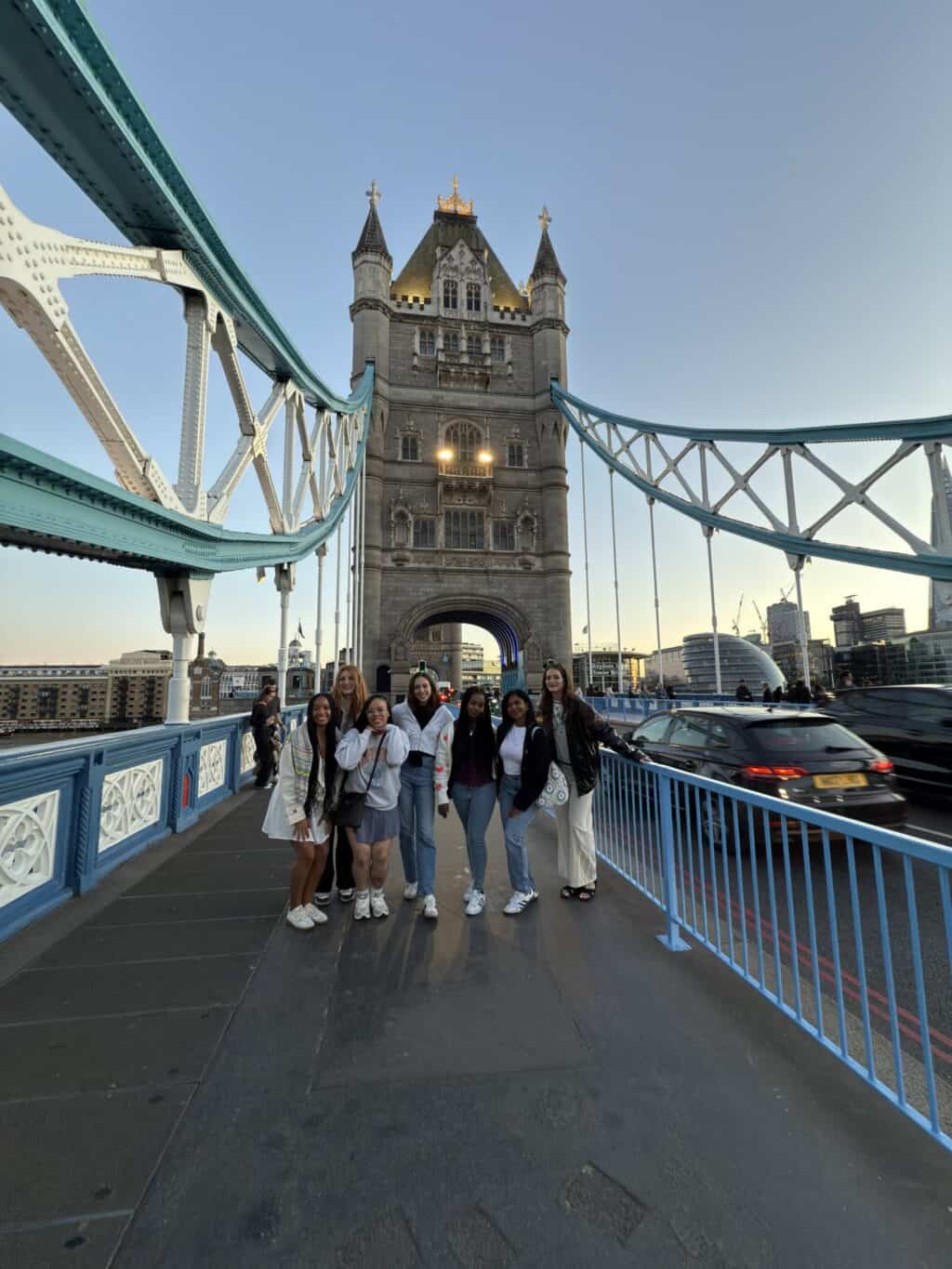
The London Eye is 135 metres high, but it isn’t London’s tallest structure. Its appeal comes from the movement and perspective rather than the record. The slow rotation gives your eyes time to follow the Thames, pick out Parliament, St Paul’s Cathedral and Tower Bridge, and understand how separate districts fit together.
Daylight is the obvious choice, yet the evening can be more atmospheric. The river becomes a line of reflected light, illuminated buildings stand out more clearly and the city’s different districts reveal themselves through their patterns of activity. Clear air after rain can improve visibility, although weather remains the deciding factor.
Choose the time for the view you actually want
A blue-hour slot gives you some remaining daylight before the lights take over. A later evening visit can feel calmer, but exact queue levels change with season, events and ticket demand. Book through the official London Eye website if the timing matters, and check current prices before committing.
Use the rotation actively. Pick out Westminster, South Bank and the City, then note places you’d like to explore on foot later. The experience becomes more useful when it helps you plan the rest of your stay, rather than functioning as a single photograph stop.
7. Hidden rooftop gardens offer quiet space above the crowds
London’s green spaces aren’t limited to the parks everyone photographs. The Barbican’s roof gardens, Inns of Court gardens and other public-access terraces create pockets of calm among offices, concrete walkways and busy roads. They’re useful discoveries for budget travellers because several offer free access, although availability and booking arrangements vary.
The Barbican roof gardens are particularly good for combining architecture and planting. Instead of choosing between a cultural visit and a quiet outdoor break, you get both in one area. Lincoln’s Inn Fields and nearby legal precincts offer another kind of pause, with mature trees and formal spaces that feel removed from the traffic around them.
Treat rooftop access as conditional
Some rooftop venues operate capacity limits or close during bad weather and maintenance. Check the current arrangements on the venue’s own website before travelling across London. A free visit isn’t useful if you arrive after the last entry time or discover that access is reserved for an event.
Plan around daylight and weather:
Use the Barbican as a reliable pairing: Combine its roof gardens with the Museum of London and the estate’s public walkways.
Check booking rules early: Public-access rooftops can fill quickly even when entry itself is free.
Return at a better light: Scout a space during the day, then come back near sunset if photography matters.
8. Lost rivers still shape the streets above them
Several rivers once crossed the area now filled by London before urban growth pushed their courses underground. The Fleet, Walbrook, Tyburn and Westbourne are not merely names from old maps. Their routes influenced settlement, industry, drainage and the location of neighbourhoods, even where the water has disappeared from view.
The Westbourne is one of the easiest curiosities to spot. At Sloane Square, part of its course is carried through a decorative pipe above the station platforms. The Walbrook runs beneath streets in the City, while the Fleet’s history can be followed from its northern origins towards the Thames. These clues turn an ordinary walk into a search for the geography London built over.
Follow one river rather than chasing all of them
A historical map helps, but don’t assume every supposed re-emergence point is publicly accessible. Drainage infrastructure can be hazardous, and some locations are visible only through street clues or public exhibitions. Stay above ground and treat the rivers as a historical trail, not an invitation to explore tunnels.
The Westbourne at Sloane Square is a manageable starting point. For a longer walk, follow the Fleet’s surface route in stages and divide the exploration across separate days. The Museum of London is a useful companion because its galleries explain why waterways mattered to the city before modern sewerage and transport systems.
This is excellent solo travel territory. You can pause for a map, take a side street, or stop at a café without slowing anyone down.
9. Banksy trails come with an authentication problem
London’s street art is constantly changing, and that makes Banksy trails more complicated than a standard sightseeing list. A work may be widely labelled as Banksy without confirmed authorship, while a documented piece may have been painted over, damaged or moved. The artist’s deliberate ambiguity means visitors need to distinguish verified work from local assumption and online repetition.
The Girl with Rat on Brick Lane is a well-known example, but it has been partially repainted. The Well Hung Lover in Hoxton is another documented London work that has remained comparatively intact. Location guides can become outdated quickly, so a current official source matters more than a static map shared on social media.
Build a street art walk that survives change
Check the official Banksy website before setting out, and use it to separate documented pieces from claims. Shoreditch, Camden and Southwark all offer strong neighbourhood walks, but don’t expect every stop to remain exactly as photographed.
Start in daylight and leave time for the streets around the artwork. Cafés, independent shops, markets and changing murals are part of the experience, not filler between famous pieces. Avoid blocking doorways or photographing residents’ private spaces, especially when a work sits on an occupied building.
10. The London Library feels private, but visitors can access parts of it
The London Library was founded in 1841 and has a reputation as a serious working institution rather than a tourist attraction. Its St James’s Square entrance is easy to miss, which helps preserve the quiet atmosphere inside. The building’s galleries, shelves and reading spaces offer a different kind of London experience, one based on concentration rather than spectacle.
The library’s intellectual history adds to the appeal. Karl Marx researched there for Das Kapital, while Virginia Woolf is associated with its literary world. The collection combines older catalogue traditions with modern systems, and the upper galleries give you a sense of how a Victorian library can remain useful without becoming a museum set.
Check access before you go
Visitor arrangements can change, so confirm whether a day visit, reading room access or guided opportunity is available before making the journey. Don’t assume that a tourist can browse freely through every area. A working library needs quiet, and staff instructions matter.
Allow time rather than treating it as a quick photograph stop.
For solo travellers, the London Library offers something many attraction-heavy itineraries miss: a quiet hour with no pressure to perform, queue or spend. You can follow it with a pub, a park walk or a conversation with other guests back at the hostel, depending on your energy.
10 Little-Known London Secrets Compared
Item
Access complexity
Resource requirements (cost & time)
Expected outcomes
Ideal use cases
Key advantages
The Underground’s Secret Tunnels and Hidden Stations
London becomes much easier to enjoy when you stop treating it as one enormous list of landmarks. Group experiences by area and mood. The Roman wall, Museum of London and Barbican roof gardens make a strong City and Barbican day. Covent Garden, historic pubs, the London Library and a Thames walk create a more literary and atmospheric route. The London Eye, Tower of London and riverside work well together when you want a dramatic evening.
For the tightest budget, begin with free or low-cost discoveries. Walk the Roman wall, trace a lost river from the surface, explore public green spaces and visit free museum galleries. These experiences still require time and attention, but they don’t depend on paying for a major attraction at every stop. Carry water, wear shoes suited to uneven streets and keep a little flexibility for weather.
Paid highlights need more planning. The Tower of London and London Eye are easier to enjoy when you choose a quieter time and check current ticket arrangements before travelling. Underground history tours and limited-access reading spaces can also require advance reservations. Don’t build an entire day around an attraction until you’ve checked its current opening hours, entry rules and photography policy.
Transport is part of the budget calculation. London’s bus and rail network is embedded in city life, with TfL reporting overall public transport satisfaction at 78 in its Q2 2025/26 customer report, while the bus scored 79 and the London Overground 81. You can read the TfL customer report for the underlying service information. For Zones 1 and 2, the pay-as-you-go daily cap is £8.90, and the Monday-to-Sunday cap is £44.70, as set out in TfL’s fare capping guidance. The fare day runs from 04:30 to 04:29 the following day, so a late-night journey doesn’t automatically begin a fresh cap at midnight, according to this explanation of Tube fare timing. If your route suits buses and trams, their daily cap is £5.25, detailed in TfL’s bus and tram fares.
Social stops matter just as much as logistics when you’re travelling alone. A traditional pub gives you a chance to speak with staff and locals, while a lively on-site bar means you don’t have to leave your accommodation to meet other travellers after a long day.
Pick two or three experiences, not ten in one exhausting day. Start with the layer that interests you most, leave space for an unplanned street, pub or market, and let London’s scale work in your favour rather than against you.
St Christopher’s offers central London bases, clean dorms and private rooms, social spaces, daily events and on-site bars where solo travellers can meet people after exploring the city’s hidden layers. Visit St Christopher’s to check London locations and book direct with travel-friendly benefits such as a welcome drink and 25% off food.
Our direct rates are guaranteed to be at least 5% cheaper than anywhere else online, with a free drink on arrival, 25% off food at the bar, and free cancellation options available.