You’re probably doing one of two things right now. You’ve landed in Barcelona, dumped your bag, and you want to know where to shop without wasting half a day in tourist tat. Or you’re planning ahead and trying to work out how to mix a Zara run, a decent market, and a few interesting local shops into one solid day.
That’s exactly how shopping in Barcelona works best. Not as one giant spree, but as a set of smart little routes. The city is brilliant for that because the shopping changes fast from street to street. One turn gives you glossy high street chains, the next gives you old stone lanes with handmade espadrilles, tiny jewellery studios, second-hand rails, or a food market where lunch costs less than a sit-down meal nearby.
Barcelona also rewards a bit of planning. Shop at the wrong time and you’ll hit shutters, queues, and crowds. Get the rhythm right and you can cover a lot on foot, keep your budget under control, and still leave room for a splurge that feels worth it.
Your Essential Barcelona Shopping Toolkit
Drop your bag at a central hostel around Plaça de Catalunya, fill a small tote, and decide what kind of shopping day you want before you leave. That one choice saves hours. Barcelona spreads its best buys across different neighbourhoods, so solo travellers do better with short, focused routes than one long wander with no plan.
Start with the basics. Wear shoes you can walk in for half a day, keep your phone charged, and leave space in your backpack before you buy anything. If you are still sorting your gear, this list of handy essentials to pack for backpacking covers the small things people forget until they are carrying shopping bags across the city.
Know the daily rhythm
Barcelona shopping works best when you match the city’s pace. Big chains are usually reliable through the day, but smaller boutiques, vintage spots and family-run shops can keep their own hours. For a solo traveller, that matters because wasted crossings between neighbourhoods add up fast.
A practical rhythm looks like this:
- Morning for the shop you care about most. Go early if you want a specific size, a particular vintage store, or a quieter browse.
- Midday for markets, coffee, or lunch. If a small shop is shut, you have not lost your best shopping window.
- Late afternoon for slower wandering. Good for areas where half the fun is spotting something you did not plan to buy.
Check opening hours on the day, especially on Sundays and around local holidays.
Payment, tax back, and keeping your budget under control
Card is the easiest way to pay in Barcelona, and it is the safer option in crowded shopping streets and markets. I still carry a small amount of cash for stalls, snacks, and the odd low-minimum purchase. More than that usually just turns into loose change and sloppy spending.
If you are visiting from the UK or another non-EU country, ask about tax-free shopping before you pay for any higher-value item. Some shops handle the paperwork quickly. Others are slow, or only do it above a certain spend, so it is better to know the process before you commit.
A few habits help:
- Use one main card so you can see what you are spending in real time.
- Take out cash once, not in repeated small withdrawals with extra fees.
- Keep receipts in one place if you might claim VAT back or need to check your budget later.
- Carry a fold-up tote so you are not buying extra bags all day.
- Split your money and cards if you are shopping alone. Keep a backup card separate from your main wallet.
What to buy, and what to skip
Barcelona is a strong city for things that are easy to carry and still feel local. Espadrilles, leather accessories, ceramics, simple jewellery, pantry goods from food markets, and well-chosen vintage all make sense. They pack well and usually feel more tied to the city than a logo T-shirt from a tourist strip.
Be stricter with bulky decor, fragile pieces, and cheap souvenirs near the busiest sights. They look tempting when you are tired, hungry, or trying to bring something home for everyone. They also become a pain when you are still moving between hostels.
If you want a simple solo-traveller plan from a central base, use this rule. Pick one budget stop, one splurge stop, and one social stop such as a market or café-heavy area where taking a break feels natural. It keeps the day balanced, gives you room to meet people if you want company, and stops shopping from turning into an expensive trudge.
One last point. Keep your bag zipped, don’t hang your phone out while comparing prices on a busy pavement, and if a street feels too packed to browse comfortably, move on. Barcelona rewards people who shop with a bit of intent.
High Street Hauls and Designer Dreams
You leave the hostel after lunch with one clear job. Buy the boring thing you need, then give yourself an hour to look at the Barcelona version of shopping fantasy without blowing half your trip budget. Done right, this is one of the easiest solo afternoons in the city.
From a central hostel base, the smartest pairing is Portal de l’Àngel first, Passeig de Gràcia second. Portal de l’Àngel is fast, crowded and useful. Passeig de Gràcia is slower, prettier and much better for a planned splurge. For a solo traveller, that order matters. You sort out any practical buys while your head is clear, then finish in the calmer area where it is easier to browse, stop for a coffee, and decide whether a luxury purchase still feels worth it.
Passeig de Gràcia for the big splurge
Passeig de Gràcia suits travellers who want one good item rather than a bag full of forgettable ones. The big draw is not only the designer names. The street itself is part of the appeal, with strong modernist architecture, wider pavements and a more relaxed pace than the busiest shopping strips.
It works best for leather goods, beauty, shoes, and the kind of purchase you have already budgeted for. If you are shopping alone, it is also one of the easier places to browse without feeling rushed. Staff are used to visitors who are looking seriously, not sprinting through ten stores in an hour.
A practical rule helps here. Set a number before you arrive. If the item beats what you have seen elsewhere on quality, fit and actual suitcase space, buy it. If not, enjoy the walk and keep your money.
What tends to work on Passeig de Gràcia:
- One statement buy you had already planned for
- Window shopping between sights, especially if you want a lower-pressure afternoon
- A solo coffee stop nearby to reconsider a purchase before paying
What usually goes wrong:
- Walking in “just to look” when you are tired and carrying chain-store bags already
- Buying a luxury item because the setting feels glamorous, not because the piece is right
Portal de l’Àngel for practical wins
Portal de l’Àngel is the opposite kind of useful. It is one of the busiest shopping streets in the city, packed with familiar chains and people moving with purpose. This guide to shopping streets around the Gothic Quarter helps place it on the map if you are still getting your bearings in the centre.
Go here for replacements, basics and quick wardrobe fixes. A fresh T-shirt, socks, trainers, a light layer for cooler evenings, or something less hostel-crumpled for a night out. This is the zone for solving problems, not creating them.
Barcelona shopping overview from Mana75 notes Portal de l’Àngel’s heavy footfall and its concentration of affordable chain stores. That matches the reality on the ground. It is busy because it is efficient.
How to choose if you only have one afternoon
Pick the area that matches the mission.
Choose Passeig de Gràcia if you want:
- One high-quality purchase
- A slower solo stroll
- A shopping stop that still feels like sightseeing
Choose Portal de l’Àngel if you want:
- Useful clothes right now
- Familiar brands and easier pricing
- A social, high-energy area where you can dip in and out quickly
If you want the best version of both, do a mini-itinerary. Start at Portal de l’Àngel in the mid-afternoon, keep the list tight, then walk up toward Passeig de Gràcia before early evening. You avoid carrying expensive purchases through the busiest crowds for too long, and you finish in an area that feels safer and less frantic once the shopping rush starts to thin. For solo travellers, that balance is hard to beat.
Boutique Hunting in the Gothic Quarter and El Born
The old city is where shopping in Barcelona gets more personal. You stop comparing price tags and start noticing textures, workshop doors, handwritten signs and things you won’t spot in five other European city centres the same week.
The Gothic Quarter is best when you let it unfold slowly. You don’t power through it. You drift.
If you’ve not spent much time there yet, this guide to the Gothic Quarter in Barcelona gives you the lay of the land before you head in.
The Gothic Quarter for craft and atmosphere
The Gothic Quarter rewards attention. One lane might be full of generic souvenir shops, then the next gives you proper craft, old-school shoe shops, ceramics, prints or a store that looks unchanged for decades.
Handmade espadrilles are an easy win here. They’re local, useful, and far better than buying another fridge magnet you’ll forget about. Ceramics are another strong choice, especially smaller pieces that fit in hand luggage. If you want gifts, this area is much better than grabbing the first thing you see off La Rambla.
A few rules make the area easier to shop:
- Look down side streets, not just main lanes. The best shops are rarely on the busiest stretch.
- Buy practical souvenirs. Shoes, tableware, small accessories, notebooks.
- Check quality closely. Some shops are brilliant, some are tourist filler.
What works here is curiosity. What doesn’t is rushing.
El Born for the stylish find
El Born feels more edited. It still has the old-stone charm, but the shops often lean more design-led. You’ll find independent fashion boutiques, jewellery, homeware, niche beauty, wine shops and concept stores that feel more current than nostalgic.
Visit these spots when you want something that feels like Barcelona without screaming it. A ring from a small maker, a shirt from an independent label, a scent, a print, a small object for home. El Born is strong on things with personality.
Some of the best shopping in Barcelona happens when you stop trying to tick off shops and start following streets that look interesting.
How to shop these areas well on your own
Solo travellers often do better here than groups. You can stay in a shop as long as you like, double back without debate, and follow your own taste instead of somebody else’s timetable.
The only mistake is trying to “complete” the area. You won’t. Pick a rough pocket, wander for an hour or two, and let one good purchase beat six average ones.
Sustainable Shopping and Local Life in Gràcia
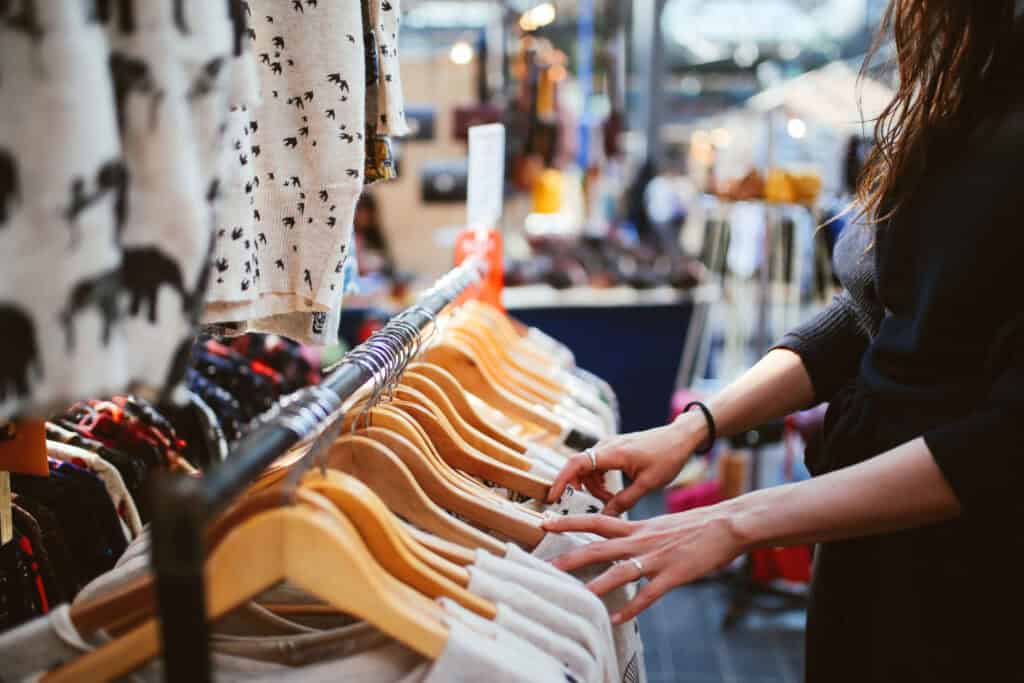
If you only do one neighbourhood beyond the obvious centre, make it Gràcia. It feels less performative than the main shopping streets, and that’s exactly the point. You come here for local rhythm, vintage rails, thoughtful independent shops and the sense that people live around the places they buy from.
That matters more and more for younger travellers. According to Agoda’s guide to shopping like a local in Barcelona, Barcelona’s thrift market grew by 28% in 2025, and 74% of UK 18 to 24-year-olds aim to avoid non-ethical brands while travelling abroad. Gràcia fits that shift naturally.
Why Gràcia is worth the detour
The big win in Gràcia is that shopping becomes part of the neighbourhood rather than the whole reason for visiting. You can browse a vintage shop, stop in a plaza for coffee, poke around a small homeware store, then carry on without feeling like you’re trapped in one long retail strip.
That’s much better if your budget is limited. You’re less likely to make rushed purchases just because every window is screaming at you.
Gràcia is especially good for:
- Vintage clothing with more personality than chain-store basics
- Eco-conscious boutiques where materials and production matter
- Locally made gifts that don’t feel mass-produced
- Slow shopping days where browsing is the activity
What to buy and what to skip
The sweet spot here is small, useful and distinctive. Think shirts, jackets, tote bags, jewellery, candles, ceramics or stationery. Vintage also makes more sense in Gràcia than buying new fast fashion if you’re trying to keep both cost and waste down.
What I’d skip is anything that feels like “ethical” branding with no substance behind it. Barcelona has plenty of genuine independent shops, so if a store feels more like a photo set than a business, keep moving.
A simple way to judge a shop:
- Do the products feel curated, not crowded?
- Can staff explain where things come from?
- Would you still want it back home, not just on holiday?
Gràcia is where shopping in Barcelona feels least like consumption and most like spending time well.
For solo travellers, it’s also one of the easier areas to enjoy without a plan. Sit in a square, reset your budget, then head into the next shop that looks promising. That slower pace usually leads to better buys.
Barcelona’s Best Markets for Foodies and Bargain Hunters
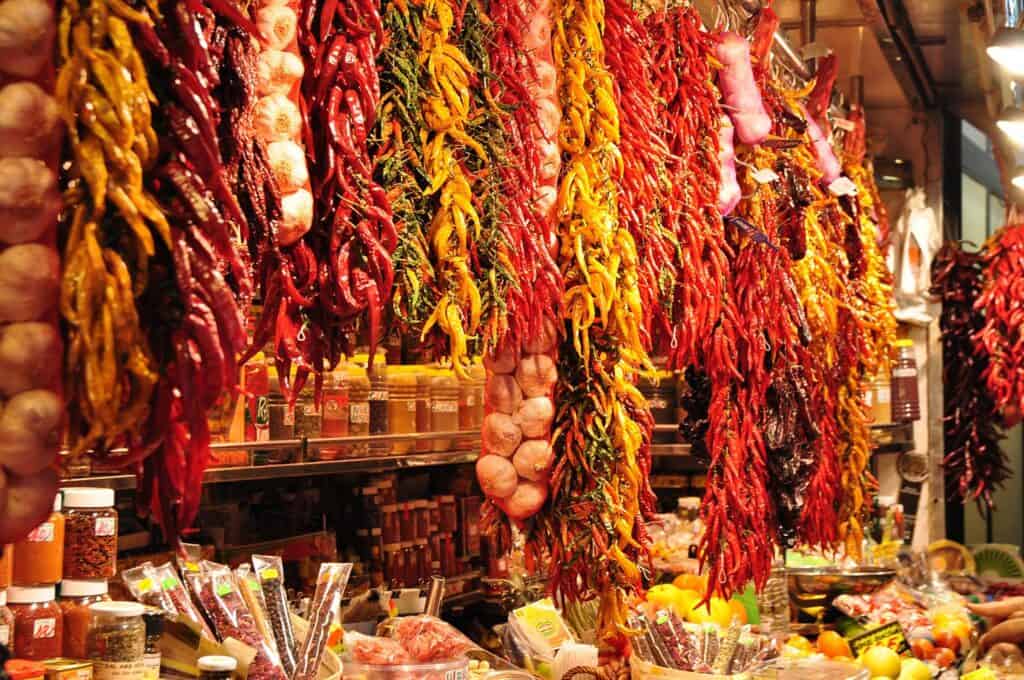
Markets are where shopping in Barcelona opens up properly. They’re good for food, obviously, but also for reading the city’s moods. Some are hectic and performative, some are local and practical, some are built around the thrill of digging through things until you strike gold.
For budget travellers, that mix matters. According to this Barcelona markets and shopping guide, 68% of UK backpackers aged 18 to 35 prioritise free or low-cost activities, and thrift finds in Gràcia can range from €5 to €20. Markets fit that mindset well because you can browse for ages without spending much, then choose where your money goes.
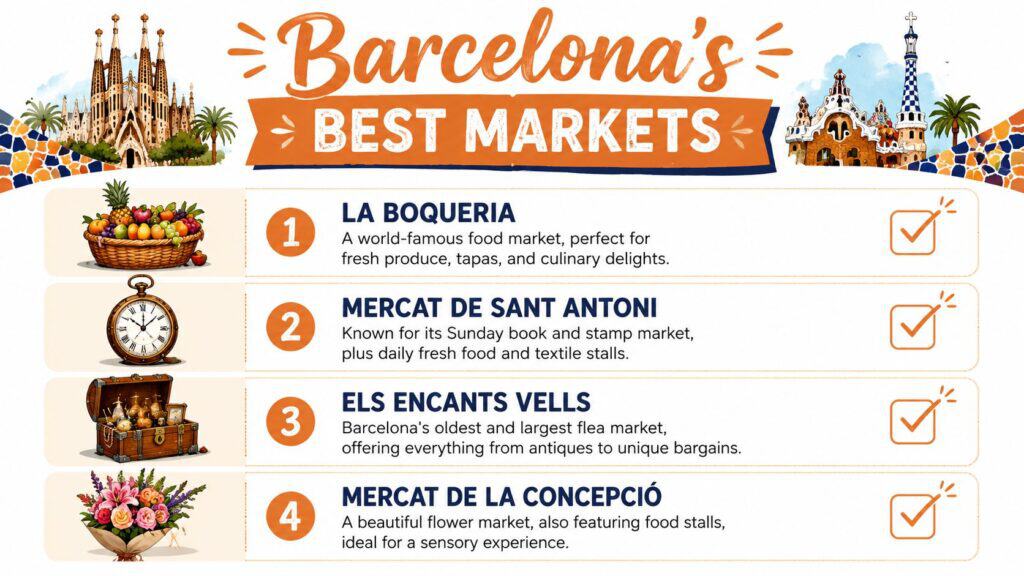
Four markets worth your time
La Boqueria is the obvious one, and yes, it’s touristy. It’s still worth visiting if you treat it as a food stop rather than a place to do all your shopping. Go with a snack in mind. Fresh fruit, something savoury, a quick wander, then out again. That’s a much better experience than trying to force a grand market ritual in the busiest aisle.
Mercat de Sant Antoni feels more grounded. It’s easier to browse, easier to breathe, and better if you enjoy markets that still work for locals. The building itself is part of the appeal, and the whole visit tends to feel less frantic.
Els Encants Vells is the one for bargain hunters and curious people. It’s the ideal spot for those happy to sift. Expect a mix. Some stalls are brilliant, some are random, some look like somebody emptied a flat in a hurry. That’s the charm.
Mercat de la Concepció is a softer stop, especially if you like flowers, colour and a calmer pace. It’s a nice reset after heavier shopping areas.
A market day goes better when you decide your aim before you arrive.
If you want lunch, head to a food market and don’t overcomplicate it. If you want gifts, look for things that pack easily. If you want a bargain, accept that you may leave empty-handed and still have had a good time.
A few smart habits help:
- Eat where turnover looks high. Freshness matters more than presentation.
- Carry a tote or fold-up bag for food buys and second-hand finds.
- Keep valuables close in any crowded indoor market.
- Give yourself permission to leave if a market feels too packed or too tourist-focused.
Markets work best when you browse with a loose plan. They work worst when you expect every stall to be a hidden gem.
Barcelona’s market scene is broad enough that you don’t need to force the famous option. If one doesn’t suit your mood, walk away and try another. That flexibility is part of what makes the city easy to shop.
A Backpacker’s Route and Money-Saving Tips
If you want one day that makes sense on foot, keep it central and build it around neighbourhood changes rather than trying to cross the whole city. The smartest shopping in Barcelona usually comes from mixing one practical area, one characterful area and one stop where you can sit down before your feet give up.
A solid solo route through the centre
Start near Plaça de Catalunya in the morning. It’s the cleanest launching point because you can pivot quickly depending on your mood and your budget. Begin with Portal de l’Àngel if you need practical buys like basics, trainers or a jacket layer for the rest of your trip. Knock out the useful stuff first while your energy is high.
From there, drift into the Gothic Quarter. This is the right time for slower browsing because you’ve already dealt with the functional purchases. Look for one good souvenir, handmade shoes, a small ceramic piece, or something you’d keep.
After that, head towards El Born for a more edited, independent feel. Stop for coffee, then dip into boutiques and design-led shops without trying to conquer every street. Solo travellers do well here because there’s no pressure to match anyone else’s pace.
If you’ve still got energy, finish at a market or loop back for food nearby. If not, stop. Barcelona is a walking city, but shopping fatigue is real, and your judgement gets worse once you’re tired and carrying bags.
When to go and how to stay safe
The biggest practical issue is crowding. According to Barcelona Turisme’s shopping line information, high footfall on streets like Portal de l’Àngel reaches 15,000 to 20,000 daily visitors in peak season, and that correlates with a 25% rise in pickpocketing incidents above the city baseline. The same source notes that planning visits before 2 PM can reduce risk and wait times.
That lines up with how the city feels on the ground. Early shopping is calmer, faster and less stressful.
Use these habits all day:
- Keep your phone off café tables. It sounds obvious until you’re tired and distracted.
- Wear your bag across your body, with zips closed.
- Don’t put your wallet in a back pocket, especially on busy shopping streets.
- Step into a shop to check maps, rather than standing in the middle of a crowded walkway.
- Split cash and cards so one bad moment doesn’t wreck the day.
Street-smart move: In the busiest shopping areas, convenience beats style. A zipped cross-body bag is better than a tote hanging open at your side.
Smart ways to spend less without feeling deprived
Barcelona is easy to do badly on a budget because there’s always one more coffee, one more market snack, one more “small” purchase. The fix is to set spending buckets before you start.
Try this approach:
- Practical buys. Clothes, toiletries, anything you need.
- One memory buy. A piece of jewellery, ceramics, vintage, shoes.
- Food and breaks. Build this in so you don’t resent spending on lunch.
- Buffer money. For the thing you didn’t expect to find.
That stops your budget leaking away on random bits.
What usually works:
- Buying from markets and vintage shops for character and value
- Sticking to one splurge item, not five mid-range impulse buys
- Taking a water bottle and tote, so you avoid paying for convenience all day
- Shopping earlier in the day, before tiredness makes every decision sloppier
What doesn’t:
- Carrying every bag all afternoon instead of dropping things off
- Shopping on the most crowded strip at the most crowded hour
- Buying “gifts” just because you feel you should
- Treating Barcelona like one big outlet rather than a city with different shopping moods
If you want a central base for shopping in Barcelona without overspending on transport, St Christopher’s Inns makes that easy. Booking direct gives you practical extras that matter on a city break, including a free welcome drink, free cancellation options, and 25% off food during your stay. That’s a handy saving after a long day of markets, boutiques and high street laps, especially when you want an affordable, social place to recharge in the centre rather than trekking back across town.