You’ve probably got Bruges open in a few tabs right now, along with train times from Brussels, a mental budget that’s tighter than it used to be, and one big question. Is bruges market square worth building your day around, or is it just the place everyone photographs before moving on?
It’s worth it, but only if you do it properly.
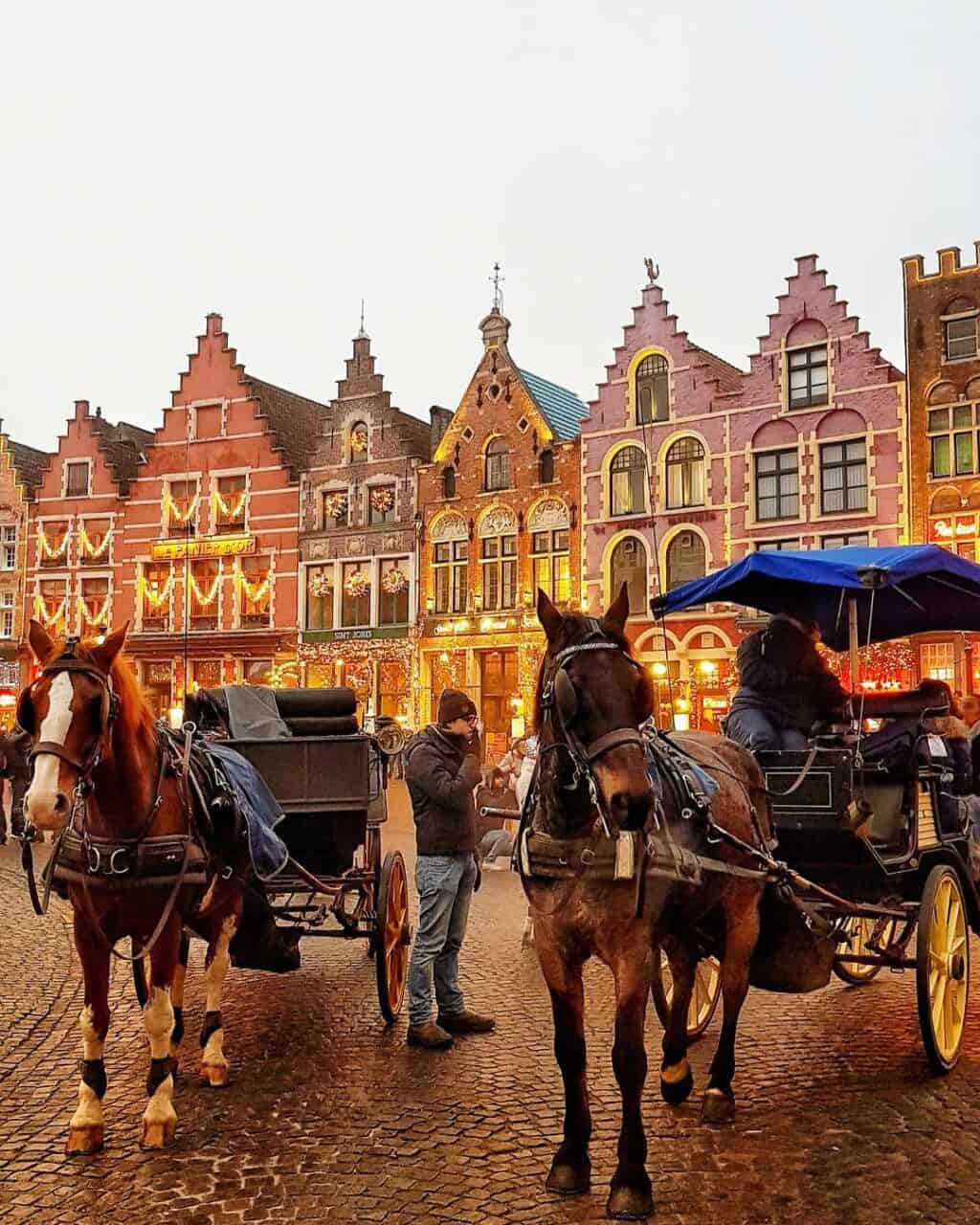
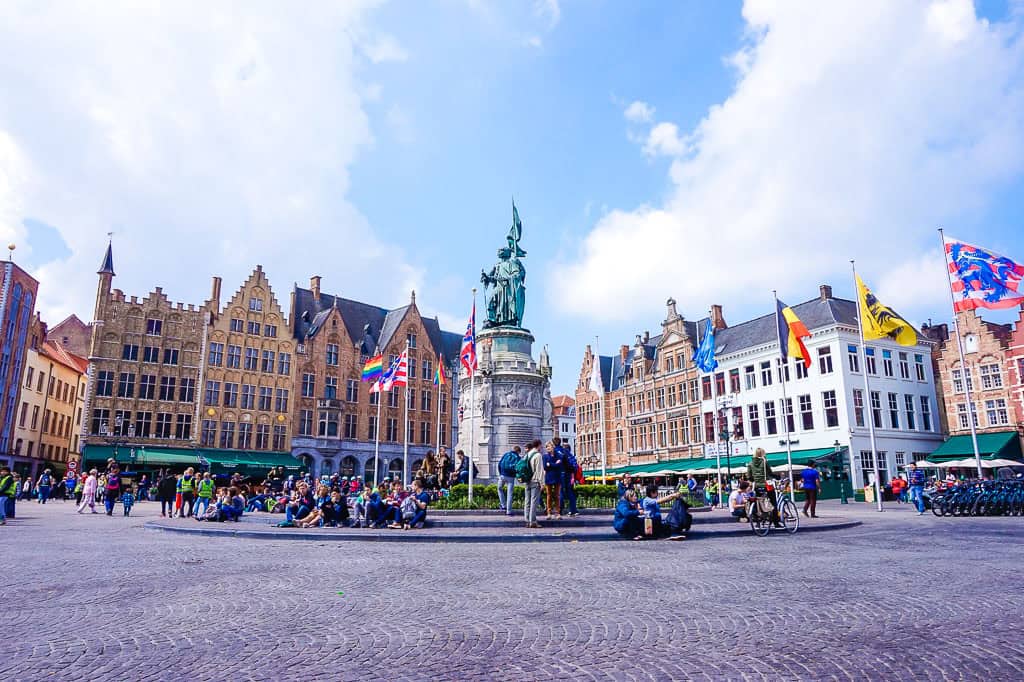
The first time you walk into the Markt, the effect is immediate. One minute you’re in a narrow cobbled street, the next you’re in a wide open square ringed by colourful facades, the Belfry rising above everything, carriage wheels rattling somewhere to your left, and café tables already full of people who look as though they’ve cracked the code before you. It feels theatrical, but not fake. The square still works as the city’s meeting point, not just its postcard.
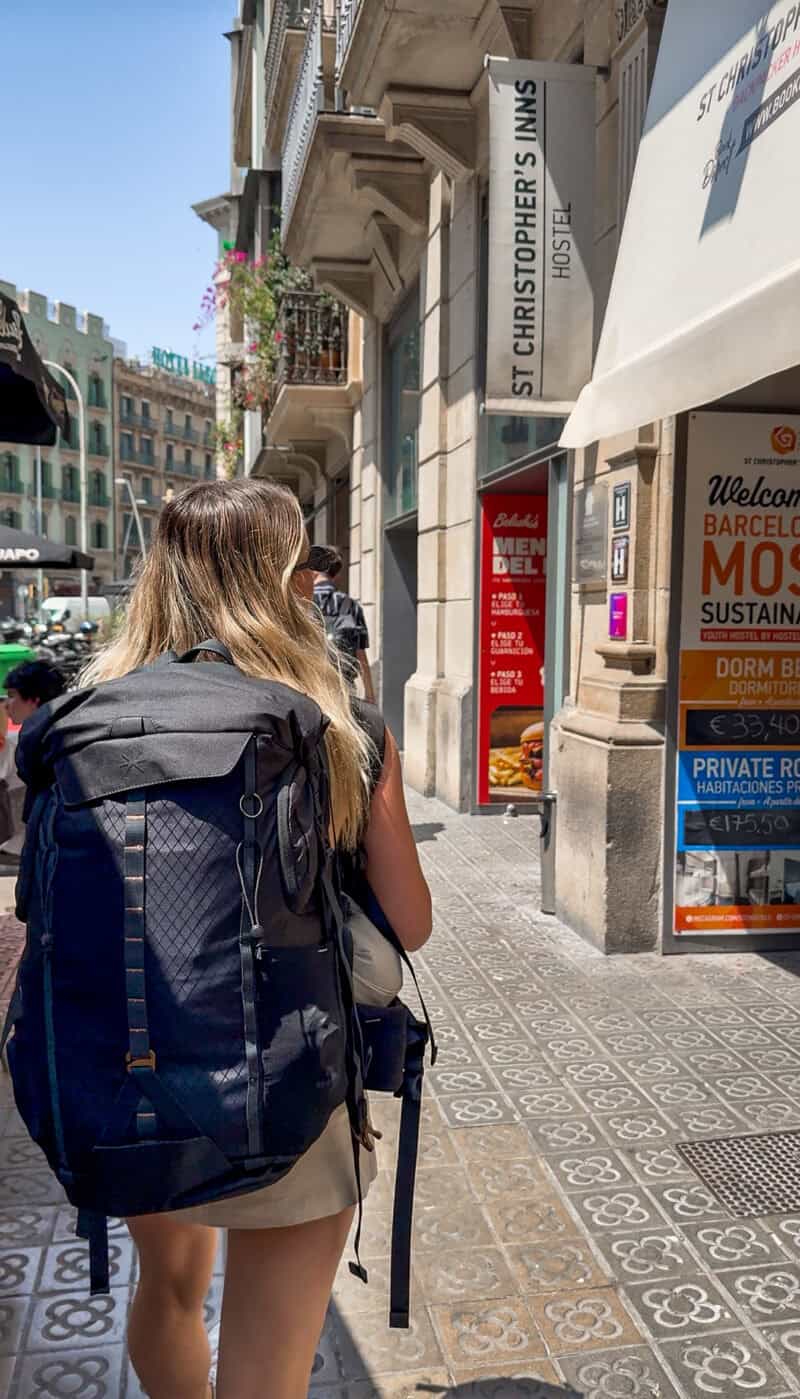
That matters, especially if you’re travelling solo. Bruges can look polished to the point of intimidation online, but the Market Square is easy to read once you know what you’re looking at. It’s compact, walkable, and full of obvious landmarks, so you don’t waste half your visit trying to get your bearings. If you’re staying nearby, it’s the natural place to start, and if you’re still sorting your base, St Christopher's Bruges puts you close enough to reach it without making the day feel like a logistical exercise.
Welcome to the Heart of Bruges
Bruges market square has been the city’s working centre for so long that it doesn’t feel like a set piece. It feels used, in the best way. Traders, locals, day trippers, photographers, horse carriages, market stall holders, and travellers all pass through the same space, which is why the square never feels static.
What makes it special isn’t just the architecture. It’s the fact that this place has done the same core job for more than a thousand years, gathering people, money, gossip, food, and civic life into one open space. That continuity changes how you experience it. You’re not just looking at old buildings. You’re standing in a place that has kept its role while the city changed around it.
For a solo traveller, that’s useful. If a city gives you one obvious focal point, it cuts down friction. The Markt is where you orient yourself, where you decide what to do next, and where you can always come back if your plans go slightly off course.
Practical rule: If you only remember one thing in central Bruges, make it the Belfry in the Market Square. Once you know where that is, the old town becomes much easier to navigate.
A Trip Through Time The History of the Markt
Arrive early, before the day-trippers have filled the square, and the Markt makes immediate sense. You can see why merchants, officials, and locals kept returning here for centuries. The open space, the commanding tower, the ring of richly decorated facades. None of it was accidental.
Bruges market square grew into the city’s commercial centre because it worked. Trade needed room, oversight, storage, and visibility, and the Markt offered all four. Long before anyone came here for weekend photos and waffles, people came to buy, sell, argue prices, settle deals, and show who held influence.
Start with the square itself
Read the Markt as a working space first. The beauty becomes clearer once you understand the job it was built to do.
Early market structures here were rebuilt more than once after fires, which tells you how heavily the space was used. This was a busy medieval trading hub, not a preserved showpiece. Goods moved through it, money changed hands, and the city’s daily life was visible in public. That practical foundation is why the square still feels convincing now. It was shaped by use.
For a solo traveller, especially if you’ve come over from the UK and want to make a short break feel worth the train fare, that history matters. Bruges can feel polished to the point of intimidation on a first visit. The Markt cuts through that. It gives you a clear centre and a strong sense of what made the city rich in the first place.
The Belfry shows who controlled the city
The Belfry was never just background architecture. It projected civic authority over the market below and reminded everyone that trade operated under watch.
That is still easy to read from ground level. The tower dominates the square, and everything around it feels arranged in relation to that height and weight. If you want a better feel for it, do one full lap of the Markt before going inside anywhere. Stand back from the base rather than craning your neck from directly underneath. You will get a better sense of scale, and if you want images that do the square justice, these best photo spots in Bruges will help you pick stronger angles.
The guild houses explain where the money sat
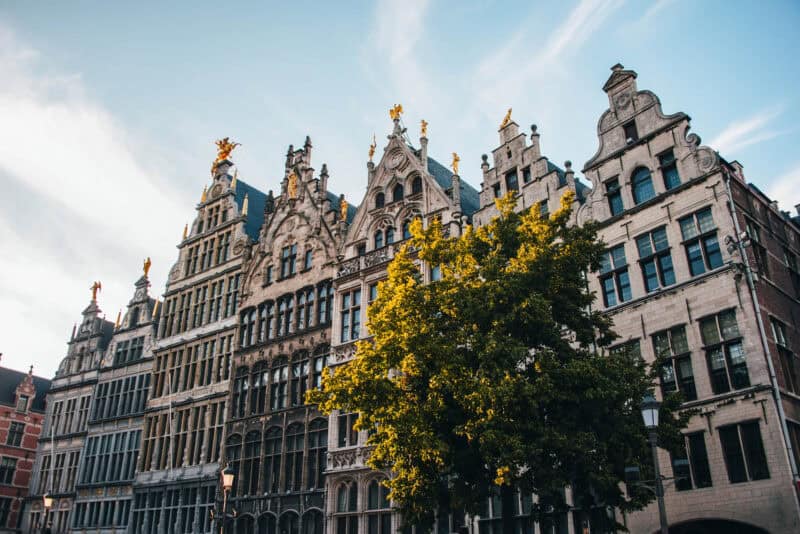
The buildings around the square were public signals of trade power. Guild houses connected to professions such as butchers and weavers stood in prime positions because visibility mattered. Success was meant to be seen.
That is one of the Markt’s strengths today. The square does not rely on a single landmark. It works as a collection of clues about who earned, governed, and negotiated here. Many facades have been rebuilt or restored over time, and plenty now serve visitors rather than traders, but the original message still comes through clearly. Wealth lived in the open.
Good historic squares still make sense on foot. The Markt does. You can read power, money, and status straight from the buildings.
The central monument adds the political story
The statue of Jan Breydel and Pieter de Coninck is easy to treat as a quick stop between photos, but it adds an important layer. The Markt was not only a place for commerce. It was also a stage for civic pride and collective memory.
That changes how the square feels. Without that political edge, it would be attractive but flatter. With it, the Markt feels tied to the city’s identity, not just its tourist economy.
What survived, and why it still works
The square you see now is the result of protection, rebuilding, and some sensible modern decisions. One of the best was removing parked cars from the space, which gave the Markt back its role as a public square rather than a traffic zone.
That sounds like a small planning detail. It is not. A square works very differently once people can linger, cross it easily, and freely look up.
If you are staying at St Christopher's Bruges, this is one of the reasons the centre feels manageable even on a solo trip. You can spend an hour here without spending much, get your bearings, and then decide whether your budget goes on a Belfry ticket, a beer, or another slow walk through the streets around it. In a city where post-Brexit travel costs can add up fast, that kind of flexibility matters.
Your Essential Guide to the Market Square Sights
You step into the Markt with a coffee in hand, daypack on your shoulder, and ten tabs open in your head. Belfry. Photos. Cheap lunch. Maybe a beer later. For a solo traveller coming over from the UK, that mental maths matters. Bruges is easy to enjoy, but the square can eat time and money fast if you treat every building and terrace as equally worth it.
The better approach is simple. Use the Markt for its best bits. Big views, strong landmarks, easy orientation, and one or two paid choices that earn their place in your budget.
The Belfry
The Belfry is the sight people build the square around. It earns that status.
Go up if you want the city laid out properly beneath you and you do not mind stairs, tight turns, and a queue that can test your patience. Skip the climb if you are watching costs, carrying too much, or already know enclosed staircases ruin the fun. Solo travel makes that choice easier because you do not have to match anyone else’s pace.
A few practical calls make a big difference:
-
Go early or late in your square visit: Midday is the busiest and least pleasant time to commit to the climb.
-
Keep your bag light: Narrow stairs and warm interiors feel harder with shopping or a heavy coat.
-
Do not queue on autopilot: The exterior is impressive enough on its own if your time is short.
If photos matter more than tower tickets, plan your angles first. These Bruges photo spots help you work out whether your best shot is from the square, a canal edge, or a quieter street later on.
The Provincial Court
The Provincial Court is the building many travellers glance at, photograph once, and move past too quickly. Slow down here.
Its neo-Gothic façade gives the square a formal, almost theatrical edge, especially when the light catches the detail on the front. It also helps with orientation. If you are visiting Bruges solo and want a reliable visual marker before cutting into smaller streets, this is one of the easiest buildings to spot and remember.
Stand far enough back to take in the full frontage. Right underneath it, you lose the scale.
The guild houses and terrace life
The colourful gabled buildings around the square do a lot of heavy lifting. They give the Markt its postcard look, and they also house plenty of places ready to charge central-location prices for that view.
That does not make them a bad choice. It just makes them a choice to make consciously.
For a first-time visitor from the UK, especially if post-Brexit travel costs have already made the trip feel pricier than expected, I would use the square for one drink rather than a full meal. You get the atmosphere, the people-watching, and the sense of place without blowing the day’s food budget in one sitting. Save lunch or dinner for a side street once you have had your look around.
Good rule: Pay for the view once. Eat elsewhere if value matters.
That balance works well if you are staying at St Christopher's Bruges too. You can use the Markt as your big central stop, then head out for better-value food and drinks once you know the layout.
If you only have one hour and want views
This plan suits day trippers arriving by train from Brussels, Ghent, or a Eurostar connection, and anyone who wants the square to feel memorable without turning it into a long stop.
-
Start from the edge of the square and take twenty seconds to get the full skyline.
-
Cross at an angle toward the Belfry so you see the tower change shape as you move.
-
Pause opposite the Provincial Court for your strongest wide photo.
-
Finish with a coffee or one drink if sitting in the square matters to you.
If you only have one hour and want history
Use your time to read the square rather than queue for it.
-
Start at the statue of Jan Breydel and Pieter de Coninck
-
Walk the perimeter slowly and study the façades
-
Stop where you can see the Belfry in relation to the open square
-
Leave through a narrower side street
to feel how abruptly Bruges shifts from civic space to medieval lanes
If you only have one hour and want atmosphere
The Markt rewards a slower, less checklist-heavy visit. That works especially well if you are travelling solo and do not need to keep anyone entertained.
Bruges Market Square Itineraries for Solo Travellers
Bruges works best when you match your plan to your energy. Some solo travellers want a sharp, efficient visit before moving on to canals, museums, or a long lunch. Others want to linger and let the city unfold slowly. Bruges market square can handle both.
The key is timing. The Wednesday market gives the square a more local, working feel in the morning, while seasonal events such as Christmas change the atmosphere completely. If you prefer movement and noise, visit when something is happening. If you want cleaner photos and a calmer pace, go after the busiest part of the day has passed.
The 1 hour whirlwind
This is for train-based day trippers and anyone who hates overplanning but still wants structure.
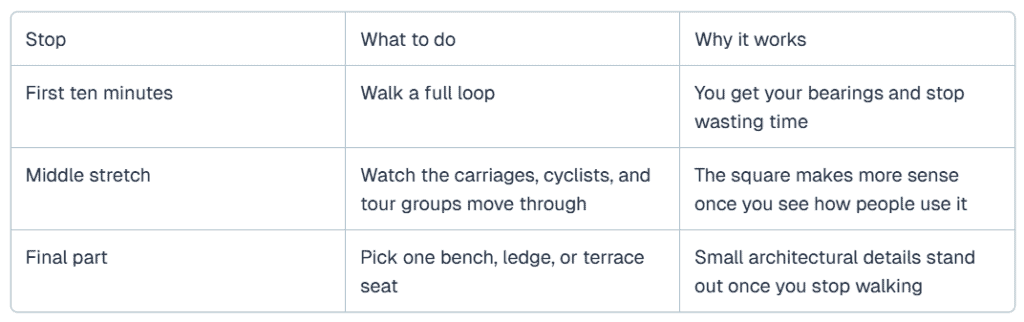
Walk into the square from a smaller side street so the opening view lands properly. Do one full loop without stopping much. That first circuit gives you the layout, shows you where the best angles are, and stops you from burning time deciding what counts as “the main bit”.
Then choose one priority. Either focus on the Belfry exterior and the big open-square photos, or sit briefly with a coffee and watch the place operate.
This works especially well in shoulder season, when the square still feels lively but less compressed.
The 2 hour explorer
Two hours is the sweet spot for many solo travellers. It gives you enough time to get past the first-impression rush and notice the square.
A solid two-hour version looks like this:
-
First half hour: Slow walk around the perimeter, taking in the Belfry, Provincial Court, statue, and guild house façades
-
Next stretch: Pick one main experience, such as the Belfry or a longer pause for people-watching
-
Final part: Leave the square briefly, then come back in from another angle
That last step matters. Bruges market square looks different depending on how you approach it. Re-entering gives you a fresh read on the space, and solo travel is better when you allow those small resets instead of trying to “complete” a place in one pass.
Come back to the square twice in the same day if you can. Morning and late afternoon feel like different versions of Bruges.
The 3 hour deep dive
Three hours gives you room to treat the Markt as a base rather than a stop. You can move slowly, build in rests, and avoid the frantic feeling that turns pretty places into a checklist.
Try this rhythm:
-
Start with a full walk of the square
-
Spend time on your main landmark
-
Take a break off the busiest edge
-
Return for a final lap when the crowd shifts
This longer version is best if you’re staying overnight. You don’t need to force the whole city into one afternoon, and that changes your judgement. You become more selective, which usually means a better day.
Pick your timing by mood, not just weather
A lot of people choose Bruges by season, but for solo travellers, mood matters more.
-
Wednesday morning suits you if you like local rhythm, stalls, and a sense that the square is still doing real work
-
Late afternoon suits you if you want a slower wander and less pressure to move with the crowd
-
Christmas works if you want atmosphere first and personal space second
The smartest approach is to decide whether you want energy, photos, or breathing room. Then shape your Markt visit around that.
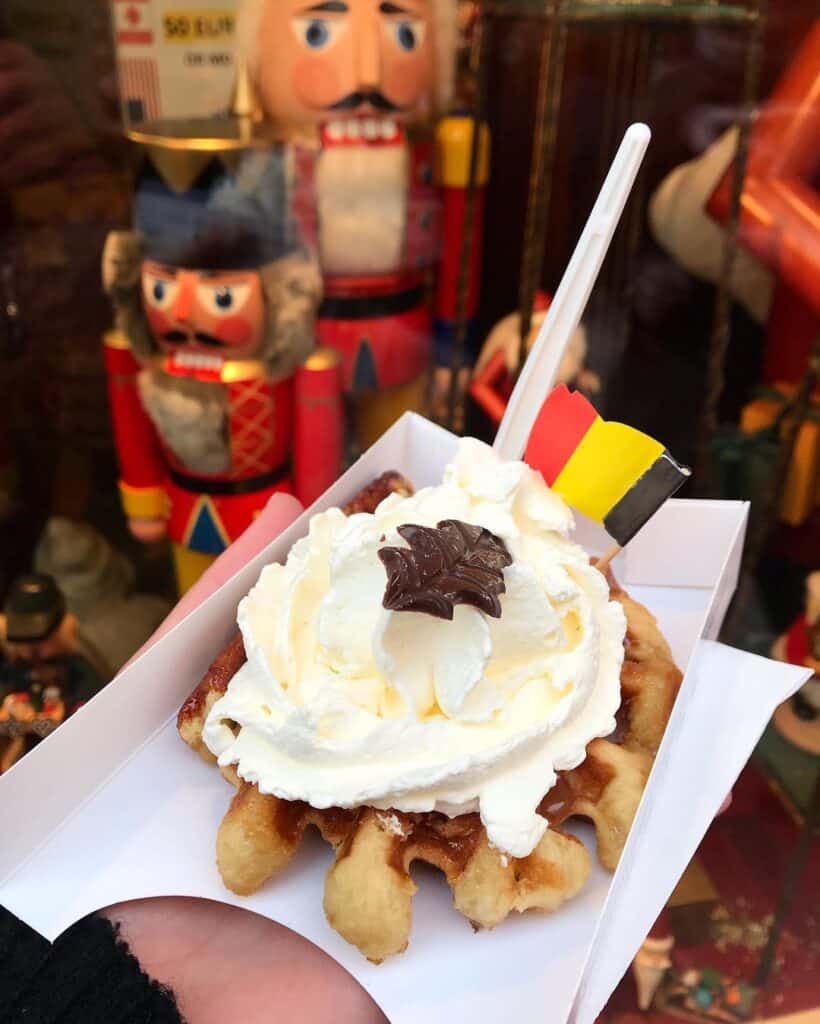
Markets Events and Seasonal Highlights
The Wednesday market is the recurring event worth planning around. According to the earlier cited Visit Bruges information, it runs from 8am to 1pm and features produce including fresh fruits, veg, flowers, meats and cheese. If you want Bruges market square to feel less like a pure visitor stage and more like a functioning city space, this is your best window.
It also changes how you should approach the square.
If you arrive expecting an empty open plaza for perfect photos, you may find the market slightly inconvenient. If you arrive wanting colour, movement, and something more grounded than a straight sightseeing loop, it’s one of the best times to go. Solo travellers often enjoy this more than couples or groups do, because browsing a market is naturally flexible. You can drift, pause, snack, and people-watch without feeling as if you’re holding anyone up.
When the market works best
The market is best for travellers who like to explore by instinct rather than rigid schedule. It gives you low-pressure interaction, easy visual interest, and a more local tone than the square’s restaurant terraces do.
A few practical trade-offs matter:
-
Go for atmosphere, not empty space: You’re choosing liveliness over uncluttered views.
-
Buy selectively: Market browsing is fun, but if you’re doing a quick city break, avoid overbuying anything awkward to carry.
-
Use it as your opener: Morning market first, quieter lanes afterwards, works better than the reverse.
Christmas and public events
At Christmas, the Markt shifts from civic square to festive focal point. It becomes more theatrical, more crowded, and more obviously event-led. If that’s your thing, it’s a brilliant time to visit. If you prefer Bruges at its gentler, more contemplative best, another season will suit you better.
Concerts and public gatherings also appear through the year, which can be great if you catch them by chance. They can also make the square feel busier than expected.
A smart Bruges plan leaves room for one square visit with activity and one without it. You get both the spectacle and the city.
The rule is simple. If you want the Markt as a landmark, visit at a quieter time. If you want it as an experience, line up your visit with a market or seasonal event.
The Savvy Traveller's Guide to Bruges on a Budget
You arrive from the UK for a short solo break, tap your card a few times in the Markt, and by mid-afternoon the budget has gone sideways. Bruges is small enough to do well on a modest spend, but the square rewards travellers who make a few smart choices early.
Bruges market square is best used as your base, not your spending trap. Terrace prices in the postcard spots often reflect the view more than the food, and that matters more now that UK travellers are already juggling exchange rates, rail costs, and the usual post-Brexit travel admin.
Quick budget cheat sheet
A good Bruges budget starts with location. If you stay central, you cut out local transport, avoid overpriced convenience stops, and can drop back to your room instead of carrying everything all day.
That is one reason St Christopher’s Bruges works well for solo travellers. It is a 5-minute walk from the Markt, and guests who book direct get 25% off food as a hostel perk. For a weekend city break, that can take the pressure off your daily spend without forcing you into supermarket dinners or bad-value square-side menus.
What works and what doesn’t
The simplest approach is usually the cheapest.
-
Works well: See the square first, get your photos, then eat on a nearby side street
-
Works well: Use the Markt to get your bearings and keep your route walkable
-
Works well: Build one paid highlight into the day, then keep the rest simple
-
Doesn’t work well: Picking the first terrace because you are tired and it looks easy
-
Doesn’t work well: Buying drinks and snacks in the busiest streets every couple of hours
Solo travel has one clear trade-off here. Convenience feels safer when you are on your own, but in Bruges that convenience often costs more than it should. A little planning fixes most of that.
For food planning, budget places to eat in Bruges are a better starting point than the front-row terraces around the square.
A solo traveller’s spending priorities
Travelling alone changes the maths. There is no one to split a taxi with, no shared appetiser, and no second opinion when you are hovering outside an overpriced restaurant. The upside is flexibility. You can move fast, eat when it suits you, and avoid the expensive compromises groups often make.
Put your money into the parts of Bruges that improve the day:
-
A central bed: Staying near the old town saves time and cuts small transport costs
-
One memorable experience: A Belfry climb, a canal boat, or a proper Belgian meal usually gives better value than several impulse buys
-
Food with a plan: Choose where you will eat before hunger makes the decision for you
Practical Information for Your Visit
Bruges market square is easy to reach once you’re in the old town. Arriving on foot is recommended, and it remains the best way to approach it. The side streets create a much better sense of arrival than being dropped straight at the busiest edge.
Getting there
If you’re walking in central Bruges, the square naturally pulls you in. The Belfry is the visual reference point, and several lanes feed directly into the Markt. For solo travellers, this is one of the easier city centres to get around without constantly checking your phone.
Opening hours and costs
The square itself is a public space, so you can pass through it freely. Specific attractions within or around it, such as the Belfry, run on their own schedules and can change by season. Check official attraction pages on the day if you’re planning a climb or timed visit.
The Wednesday market operates in the morning, as noted earlier, so that’s the main recurring time-specific event to keep in mind.
Accessibility and comfort
The square is open and manageable, but the cobbles can be tiring if you’re carrying luggage or wearing shoes with no grip. If you’ve got mobility concerns, the Belfry is the obvious challenge because of the stair climb. Even without going up, though, the square still offers a lot from ground level.
Best practical takeaway
The Markt works best when you treat it as both a destination and a reference point. Start there, get your bearings, then let the rest of Bruges unfold around it. That approach saves time, keeps the day calmer, and makes the city feel much more manageable on your own.
Your Bruges Adventure Starts Here
Bruges market square earns its reputation. Not because it’s famous, but because it still feels like the centre of something real. Trade, civic pride, daily movement, architecture, and tourism all meet in one place, and that mix is exactly what gives the square its pull.
If you’re travelling solo from the UK, that matters even more. You want places that are easy to understand, easy to enjoy on your own, and worth the cost of getting there. The Markt does all three, as long as you don’t treat it like a box to tick.
Walk it slowly. Look up more than once. Don’t assume the nearest terrace is the smartest stop. Use the square to orient yourself, then let the rest of Bruges open from there.
Once you’ve done that, the city stops feeling like a postcard and starts feeling accessible.
If you want a central Bruges base that makes exploring on foot much easier, book with St Christopher's Inns. Booking direct gives you the best online rate, a free welcome drink, flexible free cancellation, and 25% off food during your stay, which is a handy win in a city where square-side spending adds up fast.