You’ve found a Saturday fixture, checked the ticket, and started building what looks like a straightforward European football weekend. Then...
Share This Article
You’ve found a Saturday fixture, checked the ticket, and started building what looks like a straightforward European football weekend. Then the costs appear: airport transfers, late trains, accommodation outside the centre, food between kick-off and the return journey, and the possibility that the match moves because of television scheduling or bad weather. A good football trip isn’t planned around the ticket alone. It’s planned around the whole city, the route to the ground, and how easily you can change course.
Why the Football Season Is the Best Time to Visit Europe
A football weekend gives you an instant reason to be somewhere. Arrive in London and the match is already part of the city’s rhythm, with shirts appearing on trains, scarves outside pubs, and supporters turning an ordinary lunch into a pre-match ritual. In Berlin, the mood changes by neighbourhood and club, while Barcelona’s evening kick-offs can leave you with a full day for markets, galleries and long lunches before the stadium lights come on.
The Premier League has a particularly clear rhythm. It began in 1992–93, usually runs from August to May, and gives each club 38 matches, creating a 380-match campaign. That consistent structure makes English football easy to plan around and compare across seasons, as this historical overview of English football attendances explains.
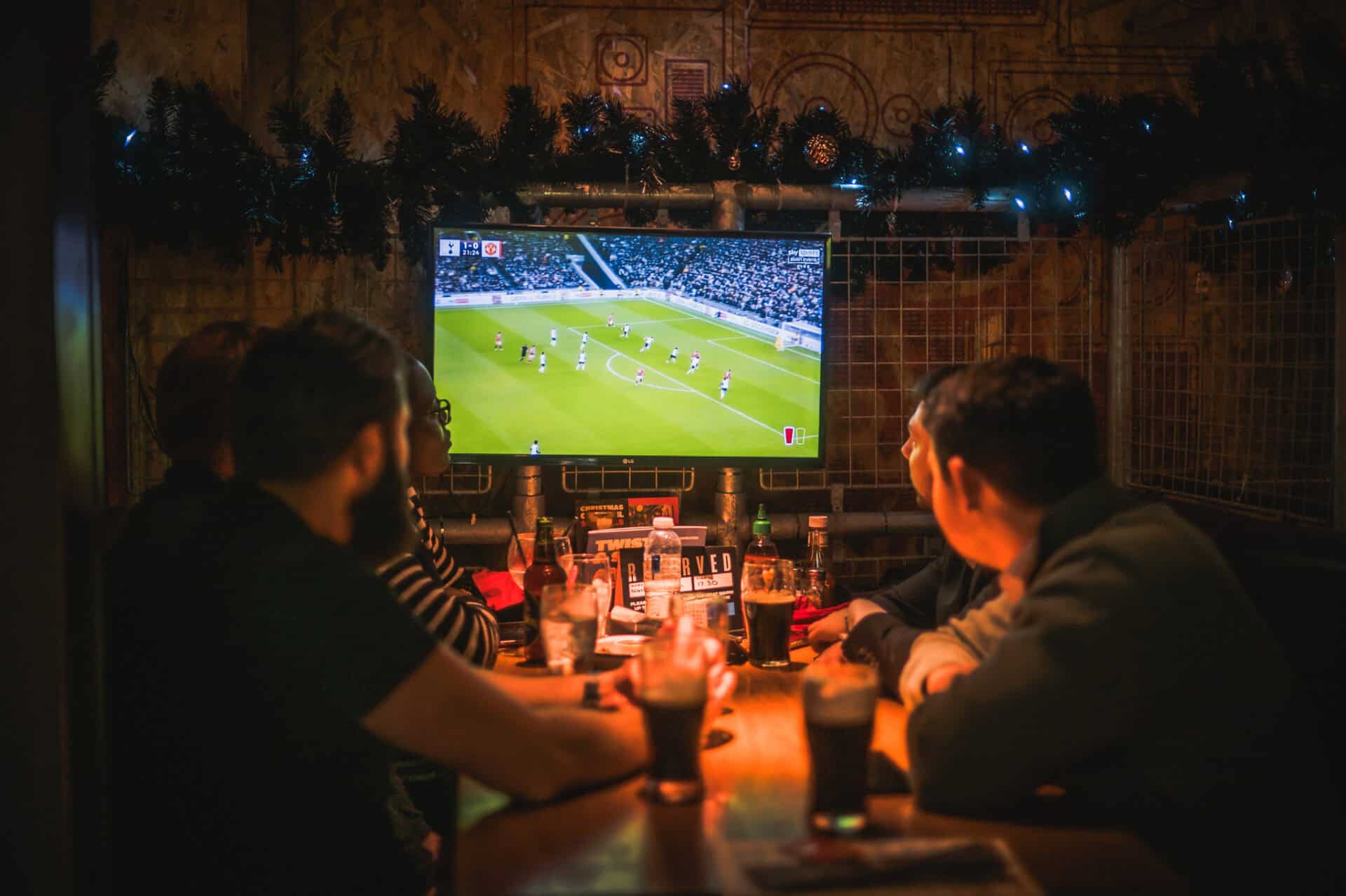
The best part for a solo traveller is the built-in social structure. You don’t need to invent an evening plan or hope your dorm mates want to explore the same place. A match, a supporters’ pub, a stadium route and a post-match bar give you natural conversation starters. St Christopher’s guide to things football fans can do in Europe is useful for turning that atmosphere into a proper city itinerary rather than a dash from station to stadium.
The scale of the modern game also keeps city centres busy. Premier League average crowds reached 40,229 per match in 2022–23, described as the highest average gate in the top division since the Football League was formed in 1888, according to the same attendance history. That demand matters to travellers because match day affects far more than the turnstiles. It changes restaurant availability, public transport, bar queues and the price of staying close to the action.
The rest of your planning should solve those pressure points. Choose a reliable fixture window, compare the full transport bill, stay somewhere central, and leave room for disruption. Do that, and the football season becomes more than a match. It becomes the easiest way to meet a city on its own terms.
When Each Major European Football Season Runs
The first planning mistake is treating every European league as if it follows the same calendar. Most domestic seasons begin in late summer and finish in spring, but winter breaks, international windows, cup matches and European competition can make a seemingly open weekend much busier or less reliable than expected.
Pick the league before you pick the flight
Premier League: The English top flight usually runs from August to May, with a regular home-and-away structure of 38 matches per club and 380 matches overall. For a weekend trip, early autumn and spring are attractive because the domestic rhythm is established, while the winter period can bring tighter scheduling and more changes. London is particularly easy to build around because several clubs and extensive public transport give you alternatives if your first match isn’t practical.
La Liga: Spain’s season generally follows the late-summer-to-spring pattern, but evening kick-offs are common enough to shape the entire day. Barcelona works well for travellers who want sightseeing before football, although you should confirm the final kick-off before committing to a non-refundable late return.
Bundesliga: Germany’s domestic season usually begins in late summer, pauses during the colder part of winter, and concludes in spring. Berlin can deliver an intense match-day experience, but stadium access and the timing of regional transport deserve attention, especially if you’re travelling back after the final whistle.
Serie A: Italy’s season generally occupies the same broad window, with domestic fixtures interspersed with cup and European commitments. A weekend in a Serie A city rewards slower planning. Keep your accommodation close to a reliable transport route rather than assuming a short map distance will mean a quick journey.
Champions League: European fixtures create midweek opportunities that can turn a short break into a longer football trip. The group-stage terminology has changed over time, so check the current competition format and confirmed fixture dates rather than relying on old planning guides. Knockout matches bring a different intensity, but they also create more demand and less flexibility.
Use a calendar that marks domestic matches, international windows and likely European dates. If you’re travelling with a group and need shirts or other fan gear made in advance, you can also check our turnaround schedules before placing an order.
Leave gaps around the headline fixture
A confirmed Saturday match doesn’t guarantee a simple Friday-to-Sunday itinerary. Television selections can move kick-off times, cup progress can alter domestic schedules, and clubs involved in Europe may play at unusual times.
Book the match first, then plan the city. Keep the day before flexible enough for an early arrival and the day after open enough for a delayed return. That approach costs less than rebuilding a trip after every fixture announcement.
Comparing the Match-Day Experience Across Leagues
Football tourism works best when you choose the atmosphere you want, not just the badge you recognise. A Premier League weekend, a Bundesliga terrace and a Champions League night can all be excellent, but they place different demands on your budget, timing and tolerance for crowds.
League
Season Window
Typical Kick-Offs
Atmosphere Style
Travel Ease
Premier League
August to May
Saturday and Sunday, with varied televised slots
Dense city energy, packed pubs and highly organised match routines
Strong in London, but allow time for crowded routes
Bundesliga
Late summer to spring, with a winter pause
Weekend afternoon and evening fixtures
Loud terraces, communal singing and visible standing culture
Good city transport, though stadium routes vary
La Liga
Late summer to spring
Frequent evening matches
Slower pre-match build-up, late nights and neighbourhood-led support
Easy to combine with sightseeing if kick-off is confirmed
Serie A
Late summer to spring
Weekend and evening fixtures
Club identity, local ritual and stadium-led atmosphere
Depends heavily on the city and ground location
Champions League
Across the domestic season
Midweek evenings
High-stakes international atmosphere and concentrated pre-match buzz
Excellent for a city break, less forgiving if transport is delayed
Match the league to your travel style
Choose the Premier League if you want the easiest introduction to English football culture and a city packed with football-related activity. Choose the Bundesliga if standing terraces, coordinated support and a more communal atmosphere matter most. Barcelona suits travellers who want a late match after a full day outdoors, while a Champions League night suits anyone happy to make football the central event of the trip.
Ticket access varies sharply. Popular fixtures can be difficult to secure, and resale rules differ by club, so use official club channels and read the conditions carefully. Don’t buy a non-refundable journey until your ticket and kick-off are both settled.
For match context and live viewing information, you can find Ipswich Town Liverpool coverage while researching the fixture details. If you’re in Berlin without a ticket, St Christopher’s guide to the best sports bars in Berlin points you towards a strong alternative match-day plan.
The practical difference between leagues often comes down to what happens after the match. In some cities, fans disperse quickly onto trains. In others, the evening continues in local bars for hours. Plan your return route before kick-off, but don’t schedule every minute after the final whistle.
The Real Cost of Following a Football Season Away From Home
The headline ticket price is often the smallest planning problem. Away travel can involve long distances, fuel, rail fares, food, accommodation and local transport, with each item becoming more expensive when you book late or choose a distant base.
Recent UK coverage estimated that Newcastle supporters could travel 8,348 miles across the 2025/26 season and spend about £1,622 on petrol, while Sunderland and Bournemouth supporters were also estimated to exceed £1,500 in fuel. The figures come from research into the furthest travelling football fans, and they show why a season-long commitment needs a travel budget of its own.
Compare the whole journey
Driving looks convenient when several people share a car, but fuel isn’t the only cost. Parking, congestion, motorway delays and the possibility of needing an overnight stay can erase the apparent saving. Rail travel removes driving fatigue, yet advance fares may not protect you if the fixture moves.
One UK study cited in the same coverage placed the average return train cost at £134.81 per away journey, with a whole-season total of £3,100.74 for some fans. Those figures aren’t a universal forecast, but they make the central point clearly. Transport mode can change the season total dramatically.
A sensible match-day budget separates costs into four lines:
Getting there: Rail, fuel, airport transfers and local transport.
Sleeping nearby: A central bed can cost more than a remote room, but it may remove repeated taxi or tram journeys.
Eating and drinking: Set a food limit before you enter the first pub, especially in a city where the pre-match crowd stays out late.
Flexibility: Allow for a change of kick-off, a missed connection or an extra night.
Central accommodation is a financial decision, not just a comfort choice. Staying near a station or stadium route can save both time and last-mile fares, while a social on-site bar gives solo travellers somewhere to meet people without paying for another venue.
For practical guidance on finding cheap accommodation in Europe, focus on total value rather than the lowest room figure. A clean, safe, central base with useful communal space can be more affordable overall than a cheaper bed that leaves you paying for transport every time you go out.
If you’re weighing a full season against occasional weekends, this video offers another way to think about the travel burden:
Match-Day Safety and Stadium Etiquette for Visiting Fans
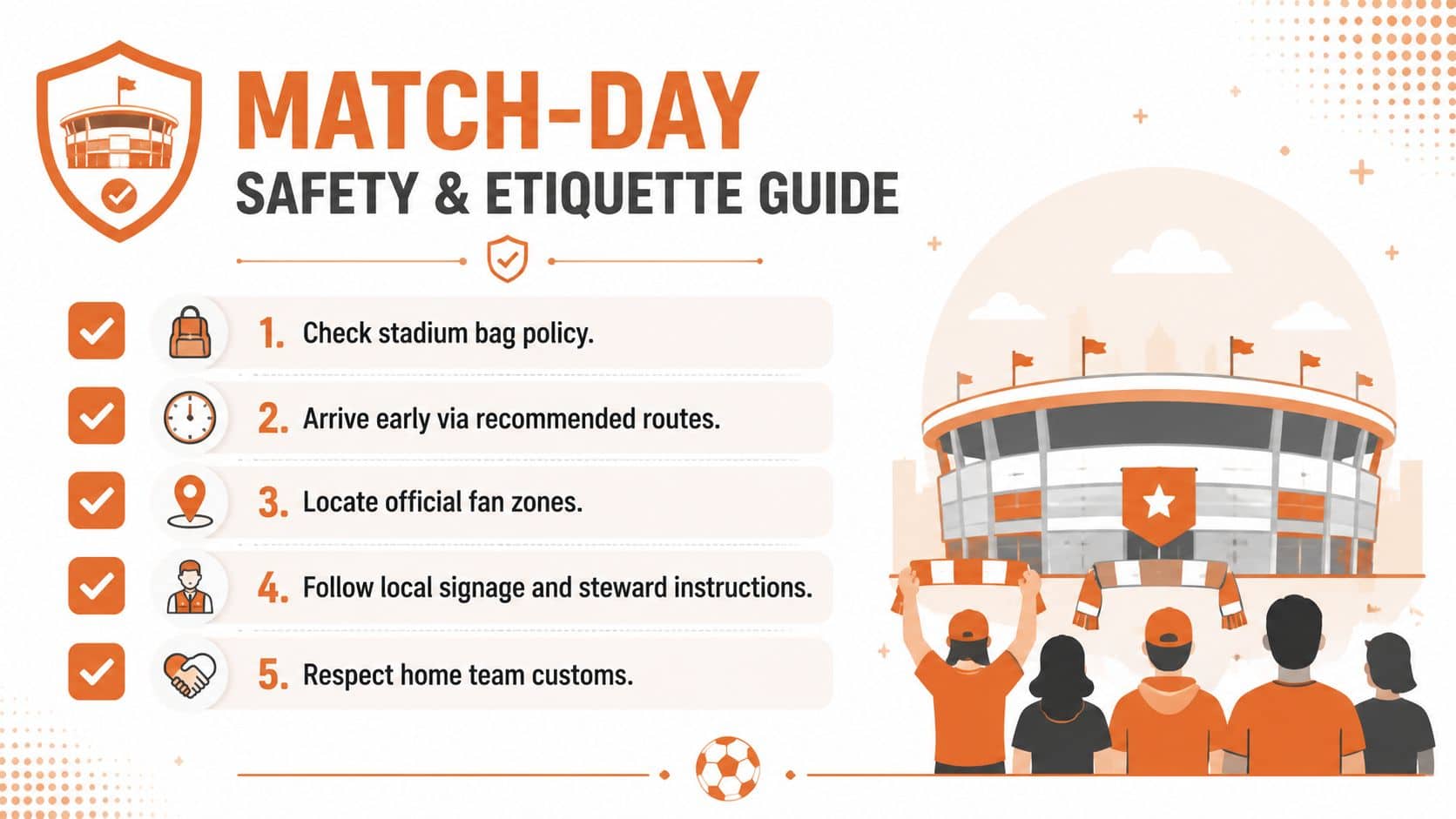
The safest away day is an organised one. You should know which section you’re entering, how you’ll reach the ground, where you’ll go if the station becomes too crowded, and how you’ll get back after the match before you order the first drink.
Read the ground before you arrive
Check the stadium’s bag policy and ticket instructions on the official club website. Some grounds restrict bag size, ban particular items or use separate entrances for home and away supporters. Save your ticket offline, charge your phone and carry identification in a secure place.
Wear neutral clothing if you’re sitting in a home section and don’t know the local customs. A club shirt belongs in the appropriate area, not necessarily in every part of the stadium. Never move between home and away sections to improve your view.
Practical rule: Follow the steward’s instructions immediately, even if another route looks quicker.
Arrive with enough time to find the correct turnstile and absorb the atmosphere without rushing. Official fan zones and designated meeting points are safer choices than wandering into an unfamiliar crowd looking for a place to drink.
Handle the crowd, transport and alcohol sensibly
Match-day stations can become compressed before and after kick-off. Keep your wallet and phone out of open pockets, stay with your route rather than following an unfamiliar group, and let a busy platform clear instead of forcing your way through it.
Alcohol changes your judgement quickly in a high-energy environment. Set your own limit, drink water, and don’t treat aggressive chanting as an invitation to join a confrontation. If a situation feels hostile, leave early, enter a staffed venue or approach a steward, police officer or transport worker.
London deserves extra road awareness. Transport for London recorded 20,989 reported collisions in 2024, including 110 people killed, 3,597 seriously injured and 20,312 slightly injured, while overall road casualties fell 8% compared with 2023, according to the Greater London road casualty report. That isn’t a reason to avoid the city, but it is a reason to use crossings, watch turning traffic and avoid stepping into the road while distracted by the crowd.
Where to Stay for the Best Football Weekends in Europe
Your bed determines how much of the match day you enjoy. A room far from the centre may look attractive on a map, but the saving can disappear through late-night transport, missed connections and the time lost crossing the city before and after the fixture.
For solo travellers, a social base also solves the awkward gap between arrival and kick-off. You can leave your bag, meet other supporters, watch an early fixture and ask staff about the simplest route to the ground. The right place functions as both accommodation and a practical meeting point.
Choose the city base around the route
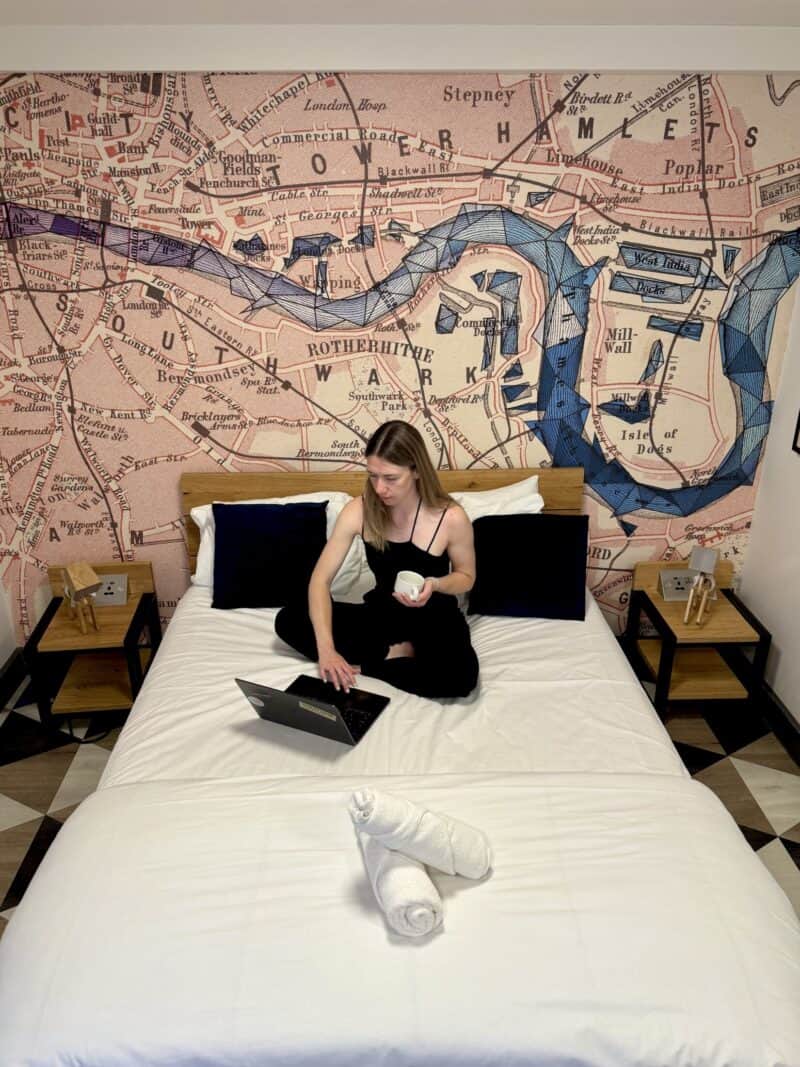
London: Look for a central neighbourhood with direct links towards the stadium you’re visiting. St Christopher’s has several London properties, including locations with Belushi’s sports bars and traditional pubs such as The Flying Horse and St Christopher’s Pub. The exact property matters, so check the route rather than assuming every London site offers the same atmosphere.
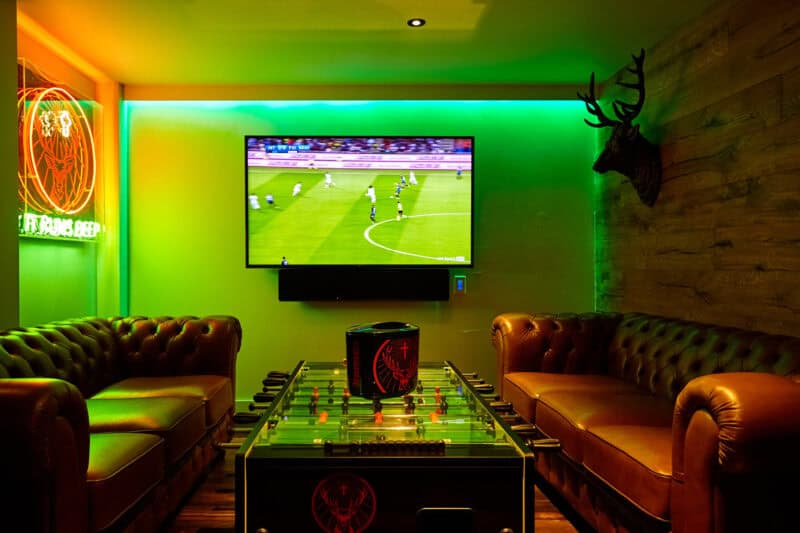
Paris: The Canal and Gare du Nord properties both have Belushi’s, making them useful for travellers who want a lively place to watch football without leaving the hostel. Gare du Nord is particularly practical for rail arrivals and onward connections, while the Canal area suits a more neighbourhood-led weekend.
Berlin: Mitte gives you a central base with Belushi’s downstairs. Berlin’s public transport makes several stadium routes manageable, but plan the final return before the post-match crowd fills the network.
Barcelona: Las Ramblas puts you in the centre of the city, with Belushi’s available for football viewing and a social evening. It’s a strong choice if you want sightseeing, food and football within a compact central itinerary.
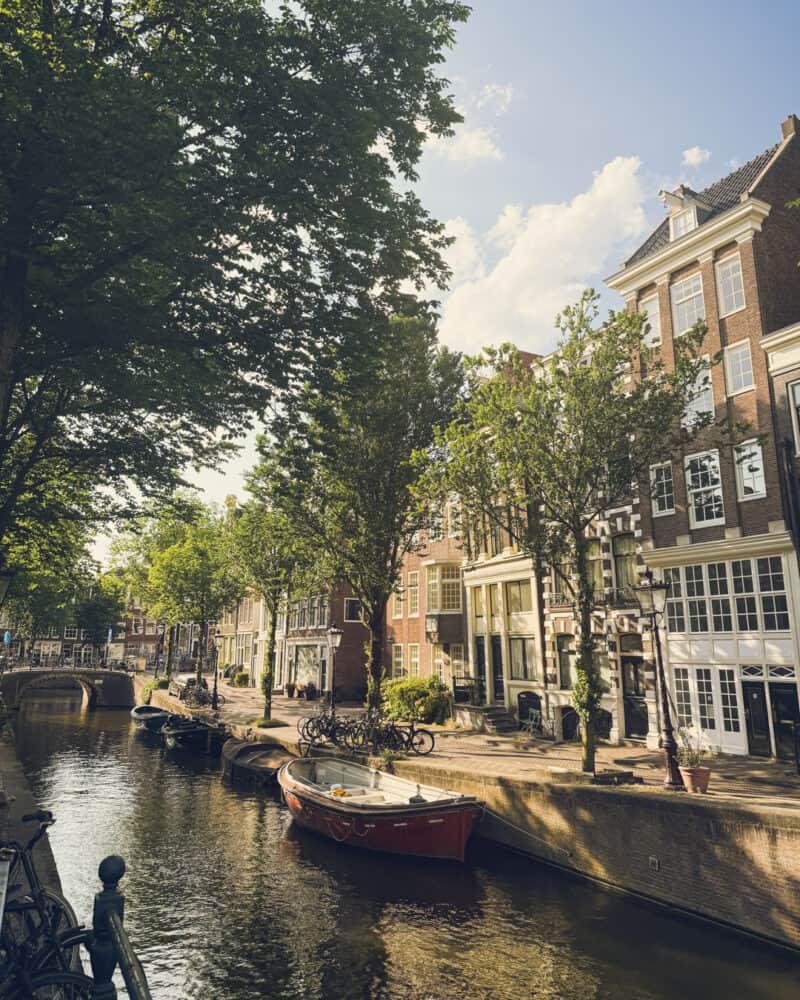
Amsterdam: The Winston is in the city centre, while the Flying Pig Downtown and Flying Pig Uptown offer different central Amsterdam bases within the same wider group. Check the precise location and your route to the ground before booking.
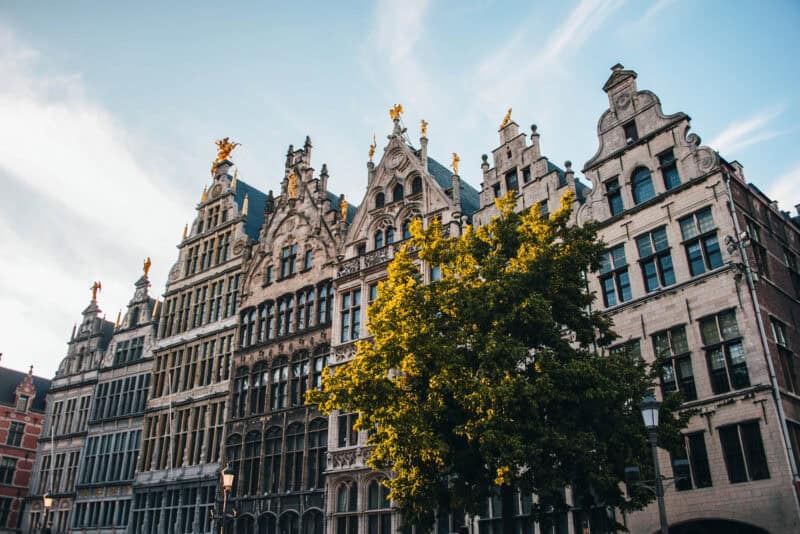
Bruges: The Bauhaus sits in a traditional Belgian beer house in a UNESCO listing building. It isn’t a sports bar, and that’s important to understand before you choose it for a match-viewing weekend. It suits travellers prioritising historic surroundings, local beer culture and a social base in the old city.
Pay for convenience, not unnecessary extras
Booking direct with St Christopher’s can include a free welcome drink, 25% off food at the bars throughout your stay, free cancellation with a cash refund rather than a voucher where the booking terms allow it, direct customer service and a best price guarantee. Those benefits matter most when you’ll use the on-site bar and when a flexible booking protects a trip from fixture changes.
A central hostel with clean facilities, safe communal areas and a quality bar can deliver better total value than an isolated room. You’re paying for a bed, but you’re also reducing transport decisions and gaining a ready-made social setting.
Planning Around Fixture Uncertainty and Weather Disruption
A football fixture isn’t a train timetable. It can move for television, cup commitments, European competition or safety reasons, and severe weather can cancel the event altogether. Treating the original listing as permanent is how supporters end up with a paid room, an unusable ticket plan and no realistic way home.
Recent UK coverage recorded postponements after Storm Bert disrupted the EFL and National League schedule. Heavy snow also caused cancellations across League Two and the Women’s FA Cup in January 2025, while the Met Office warned about rain, flooding and travel disruption around fixtures in May 2025, as reported by the BBC’s coverage of football weather disruption.
Build flexibility into every booking
Use a simple rule. Don’t make the least flexible part of the trip the first thing you book.
Accommodation: Look for free cancellation that returns cash rather than issuing a voucher, and check the final cancellation deadline before paying.
Transport: Book once the match date and kick-off are confirmed where possible. If you must book earlier, choose tickets with clear change conditions.
Itinerary: Put museums, markets and neighbourhood walks on the movable parts of the weekend. Keep the match and essential travel at the centre.
Weather: Check official warnings and transport updates before leaving, particularly when heavy rain, snow or flooding is forecast.
The question isn’t only whether the match will go ahead. Ask whether your route will still work if the match starts later, the return train is cancelled or the stadium area becomes difficult to reach. A flexible central base gives you somewhere useful to stay while plans change.
For cross-border trips, check each city separately. Berlin applies a 7.5% city tax on the net overnight accommodation price, excluding extras such as breakfast, and the accommodation provider collects it at booking or during the stay, according to Berlin’s official city tax information. In Amsterdam, the official Amsterdam & Region Travel Ticket is sold through tourist channels and selected hotels and campsites, while the OV-chipkaart system covers trams, buses, metros and trains, as explained by GVB’s tourist transport guidance. Check whether a pass suits your actual route rather than buying it automatically.
Your Football Season Travel Planning Checklist
Start with the fixture, then work out the city and the route.
Choose the match: Confirm the competition, date, kick-off and ticket source through official channels.
Map the journey: Check airport or station connections, the stadium route and the late return.
Book a central base: Prioritise a safe location near transport, with free cancellation and clear refund terms.
Calculate the full cost: Add transport, accommodation, food, local travel and a flexibility buffer. Don’t budget around the ticket alone.
Check local transport: Review city-specific passes, including Amsterdam’s official regional ticket options where relevant.
Watch the fixture: Recheck club, league and transport updates before committing to non-refundable travel.
Prepare for the ground: Save your ticket offline, read the bag policy, carry identification and dress appropriately for your section.
Plan the social side: Find a supporters’ pub, fan zone or on-site bar so you’re not left improvising after arrival.
Book direct where it suits you: Confirm the available cancellation terms and direct booking benefits before paying.
Make the first booking the one that gives you the most control. A well-planned football weekend leaves room for the city, the supporters and the unexpected moments that make an away day memorable.
St Christopher’s offers central hostels across London, Paris, Berlin, Barcelona, Amsterdam and Bruges, with clean dorms and private rooms, social spaces and named on-site bars such as Belushi’s, The Flying Horse, St Christopher’s Pub and The Bauhaus. Visit St Christopher’s to choose a flexible base, book direct and build your next football-season weekend around the match rather than the stress.
Our direct rates are guaranteed to be at least 5% cheaper than anywhere else online, with a free drink on arrival, 25% off food at the bar, and free cancellation options available.