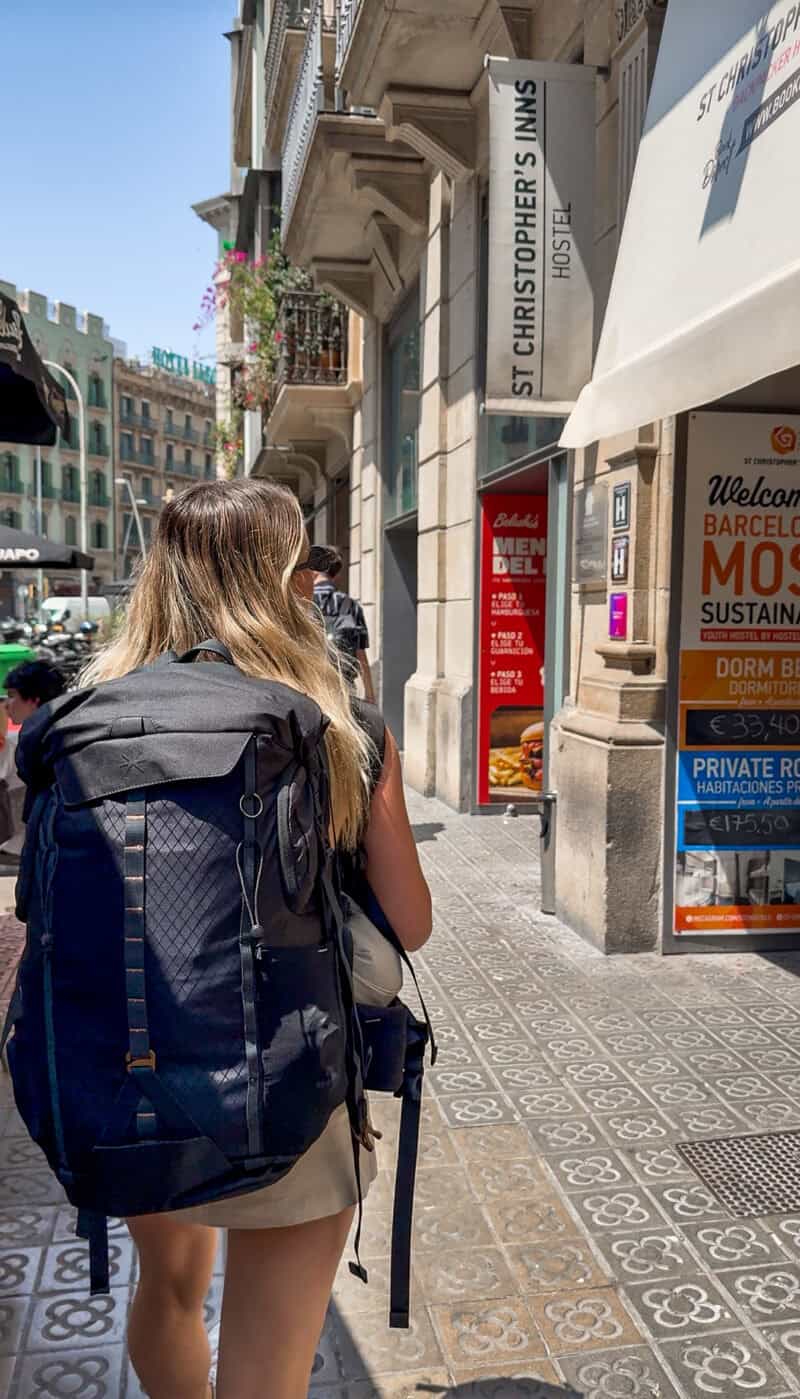
You’ve arrived in a new UK city with a backpack, a packed itinerary and no interest in spending most of...
Share This Article
You’ve arrived in a new UK city with a backpack, a packed itinerary and no interest in spending most of your budget on a room you’ll barely use. The choice isn’t between a dorm bed and a private hotel room. You’re weighing location, sleep, security, facilities and the chance of meeting people against the nightly rate.
That’s where youth hostel accommodation in the UK earns its place. The right hostel can put you near the station, landmarks and nightlife, give you a clean bed and secure storage, and provide a ready-made social setting when you’re travelling alone. The wrong one can leave you paying less for a bed, then more in transport, food and lost time.
Why Youth Hostels Remain the Smart Choice for UK Travel
A hostel makes sense when your trip revolves around the city rather than the room. You check in, store your bag, head out to a museum or coastal path, and return to a communal space where other travellers are deciding where to eat. You get the practical basics without paying for a level of privacy you may not need.
The sector has also grown beyond bare bunkhouses. Modern properties commonly combine dormitories with private rooms, individual storage, shared kitchens, lounges, reception support and social spaces. Some occupy central buildings, while others sit near national parks, beaches or walking routes. The character matters too. A converted historic building or traditional pub can make the accommodation part of the trip, rather than a forgettable place to sleep.
The UK network has serious depth. The archival record of the Youth Hostels Association held by the University of Birmingham spans 1823 to 2022, with annual reports, property files and membership records documenting two centuries of youth mobility and social travel in the UK (the University of Birmingham’s YHA archival record). Current reporting indicates more than 200 youth hostels, bunkhouses and camping barns across England and Wales (the YHA annual report).
My rule: choose a hostel because it fits your trip, not because it has the lowest bed rate.
That network serves more than backpackers. YHA reporting recorded 812,086 overnight stays in 2024/25, following 1,024,964 in 2023/24, while earlier figures included 1,935 school groups in 2021/22 and 114,879 guests under 26 in that year (YHA’s published annual reporting). The audience includes solo travellers, university groups, families, outdoor enthusiasts and friends on short breaks.
For a useful solo-travel perspective, read this practical guide to the benefits of staying in hostels. The central point is simple. A hostel is often a deliberate travel choice, one that trades private space for access, flexibility and human contact.
Types of Youth Hostel Accommodation Across the UK
Start by matching the property to the way you’ll spend your days. Don’t book a countryside hostel for a nightlife weekend, and don’t choose a large city-centre dorm when what you really want is an early night after hiking.
City-centre hostels
These are built for travellers who want the destination immediately outside the front door. They suit short breaks, first visits and solo trips where you’d rather walk to attractions than spend the evening working out transport.
London, Edinburgh and other major cities reward a central base. You can leave your luggage, reach galleries or historic streets on foot, and return to an on-site social space without crossing the city again. The trade-off is noise, especially at weekends, so check whether the property has a lively bar, quiet rooms or private accommodation before booking.
Countryside and national park hostels
Rural properties are better for walkers, cyclists and travellers who see the accommodation as a base for the area. Expect easier access to trails, less emphasis on nightlife and a calmer rhythm. A kitchen, drying facilities and practical common areas matter more here than a late-night events calendar.
Coastal and rural hostels
These sit between outdoor retreat and village base. They work well for beach trips, surf breaks and slower itineraries, particularly when you want local character rather than a standard city-centre layout. Transport can be less frequent, so confirm your arrival route and late check-in arrangements before you commit.
Historic and distinctive properties
Some hostels operate in converted manors, heritage buildings or traditional pub settings. You’ll usually get more atmosphere and a stronger sense of place, although rooms may vary in shape and size.
Large social hostels suit travellers who want organised activities and easy conversation. Smaller properties suit people who value quiet, privacy and a slower start. Decide which matters more before you search, because a beautiful location won’t compensate for the wrong atmosphere.
What to Expect from Rooms and Facilities
A UK hostel room can mean anything from a compact shared dorm to a private room for a couple, family or organised group. Dorms commonly range from smaller rooms to much larger arrangements, with the experience changing sharply as occupancy rises. More beds can mean more chances to meet people, but also more movement, noise and different sleep schedules.
Look for the details that make shared sleeping manageable:
Individual lights: A reading light lets you unpack or read without switching on the main room light.
Power access: Bedside sockets save you from leaving your phone across the room.
Lockers: Use them for passports, cameras, wallets and other valuables, and bring a padlock unless the property confirms another system.
Bunk design: Curtains, shelves and sturdy ladders make a noticeable difference to comfort.
Private rooms: These cost more, but they’re the sensible compromise for couples, friends or travellers who need reliable sleep.
Bathrooms may be ensuite or shared across a floor. In either case, pack shower shoes, a quick-dry towel and a wash bag you can hang up. Shared bathrooms work best when guests keep showers concise, take belongings away afterwards and avoid treating the space like a private bathroom at home.
Kitchens and communal areas
A self-catering kitchen can cut food costs and gives solo travellers an easy conversation starter. Buy breakfast supplies locally, label your food and clean the worktop after cooking. Communal lounges, dining rooms and reading areas offer another way to meet people without committing to a night out.
You’ll find Wi-Fi in many modern properties, but check the specific facilities before arrival. Laundry, towel hire, luggage storage, breakfast and late check-in can differ by property. The St Christopher’s hostel amenities guide is useful for understanding the sort of practical features to check.
Cleanliness isn’t a luxury extra. Read the property’s current information, inspect recent guest feedback on its own booking pages and ask reception about anything that concerns you. Good design helps, but considerate guests matter just as much. Keep bags out of walkways, don’t leave wet towels on bunks and use the room discreetly when others are sleeping.
Budget Breakdown for UK Hostel Stays
The lowest bed price isn’t automatically the best deal. A central dorm can cost more than a peripheral one, but the difference may be offset by fewer bus or taxi journeys and more time spent exploring. A quieter smaller-town property may offer better room value, while a city-centre stay can offer better total-trip value.
Because rates change with city, dates, room type and demand, treat any advertised figure as a planning guide rather than a promise. Use this comparison to identify what you’re paying for.
Budget Level
Typical Nightly Rate
Room Type
Key Inclusions
Budget
Lower local rate
Larger shared dorm
Bed, basic shared facilities, Wi-Fi where provided, access to communal areas
Mid-range
Moderate city or regional rate
Smaller dorm or standard private room
More personal space, stronger location, storage and practical amenities
Premium
Higher rate
Small dorm or private room
Greater privacy, better room design, ensuite options where available, stronger social or central setting
The important comparison is between bed cost and trip cost. A hostel beside a rail station or major attraction can reduce transport spending and make early departures easier. A property with kitchen access can reduce the number of meals bought outside, while an on-site bar means you don’t need to find your way around an unfamiliar neighbourhood just to meet people or have a drink.
For groups, build the full estimate before booking. Include beds, transport, meals, activities, deposits, cancellation terms and any extras. A practical realistic group trip budget can help organisers separate shared costs from personal spending.
What changes the value
Location: Central accommodation usually commands more, but may save time and local transport costs.
Room size: A larger dorm can reduce the nightly rate, while a smaller room can improve sleep.
Private space: Couples and friends should compare the total private-room cost with several dorm beds, not assume one format always wins.
Food facilities: Kitchens and included breakfast options can make a meaningful difference over several days.
Social extras: Guest discounts at an on-site bar can add value when you’d otherwise pay for separate venues.
For more ideas on reducing accommodation costs without sacrificing access, see this guide to affordable accommodation in Europe. Affordable means getting a usable location, clean facilities and the right atmosphere for the money.
Smart Booking Strategies for the Best Value
Book directly with the hostel you’ve chosen. You get clearer communication, direct customer service and access to the property’s own cancellation terms, rather than adding an intermediary to a booking that may already have several conditions.
Make the booking fit the trip
Reserve early for bank-holiday weekends, festivals, major sporting events and school-group periods. Central beds disappear first, and the remaining choice may force you into a longer commute or a room type you didn’t want.
Midweek stays and quieter travel periods usually give you more choice. If your dates can move, check several combinations and compare room categories, not only the headline bed. A small dorm may be the sweet spot for a solo traveller who wants conversation without the constant disturbance of a very large room.
Before paying, check:
Cancellation wording: Confirm the deadline and whether the refund returns as cash.
Arrival arrangements: Tell reception if you’ll arrive late and confirm the check-in process.
Room allocation: Ask whether your group can be placed together and whether under-18 rules apply.
Included extras: Check breakfast, towels, lockers and events separately.
Direct support: Save the property’s contact details so you can resolve changes with the hostel itself.
Flexible terms protect uncertain plans, but read the conditions carefully. A direct reservation works best when you know exactly what’s included and who to contact.
Safety and Security in UK Youth Hostels
Shared accommodation is safe when the operator designs it properly and guests use the systems provided. Look for controlled entry, secure lockers, clear reception support, well-maintained communal areas and visible information about emergency procedures. CCTV may cover public areas, but it won’t replace sensible behaviour or secure storage.
Fire safety has a direct effect on hostel architecture. Ealing Council’s HMO standards specify 30-minute fire and smoke protection, FD30S, for bedrooms and kitchens, require locks that still allow safe escape, and set an amenity expectation of one kitchen and one bathroom per five occupiers (Ealing Council’s HMO standards guide). These requirements influence room layouts, doors, corridors, refurbishment and licensing.
When you arrive, identify the nearest exit without turning it into a dramatic exercise. Keep the route clear, read the fire instructions and ask staff if anything is unclear. Never prop open a fire door or block a corridor with a suitcase.
Your own practical routine
Lock valuables away: Passport, cards, cash and electronics should go into the room’s locker when you’re sleeping or out.
Keep your bed area tidy: A compact bag is easier to check and less likely to be left behind.
Use a small day pouch: Carry only what you need for the day, not your entire travel kit.
Respect access controls: Don’t let unknown visitors follow you through secure doors.
Age rules matter too. In Scotland, children under 12 are accommodated only in private rooms where available, while guests aged 12 to 15 must be accompanied by a parent or guardian and may stay in a single-gender shared room with them (Hostelling Scotland’s terms and conditions). Families and group organisers should confirm room availability before travelling, because younger guests can’t be added to any dorm.
Making the Most of the Social Hostel Experience
The social side is the reason many solo travellers choose a hostel over a private room. You don’t have to manufacture an introduction in a random pub. A shared kitchen, lounge, quiz or organised walk gives you a natural reason to speak to someone.
Start small. Say hello to your dorm-mates, ask what they’re doing that evening and join a communal activity if one suits you. You don’t need to become the loudest person in the room. A short conversation over breakfast can turn into a museum visit, dinner or a day trip.
Choose the social setting carefully
A large city-centre hostel with an on-site bar suits travellers who want energy and easy plans. A smaller rural property may offer better rest and more focused conversation. Neither is automatically superior. The right atmosphere depends on whether you’re looking for nightlife, new friends, outdoor recovery or a mixture.
If you’re tired, use the lounge rather than the dorm. Keep calls and late conversations away from sleeping rooms, avoid switching on the main light after people have gone to bed and pack earplugs for mixed schedules. Social travel works when guests are open without assuming everyone wants the same night.
Planning Your UK Hostel Trip with Confidence
Choose the property around your actual itinerary. City-centre hostels suit landmark-heavy weekends and nightlife, countryside properties suit walking and outdoor trips, and quieter smaller hostels suit travellers who prioritise sleep. Decide whether you want a large social dorm, a smaller shared room or a private room before you start comparing rates.
Build a realistic budget around the whole stay. Include transport, food, activities, towel hire if applicable and the value of kitchen access or an on-site bar. Then book directly, read the cancellation terms and confirm late arrival, age rules and room requirements.
Pack a small hostel kit:
Padlock: For lockers and peace of mind.
Earplugs and an eye mask: For mixed sleep schedules.
Quick-dry towel: Useful where towels aren’t included.
Shower shoes: Practical in shared bathrooms.
Power adapter and charging cable: Keep your essentials usable.
Small wash bag: Easier to carry between the dorm and bathroom.
Plan around location, social atmosphere and total value, then choose the bed that supports the trip you want. UK youth hostel accommodation works brilliantly when you know what you’re buying.
St Christopher’s offers central UK bases in London and Edinburgh, with shared dorms, private rooms, lively on-site bars and communal spaces designed for social travel. Visit St Christopher’s to check locations, direct-booking benefits and the right room for your next UK adventure.
Our direct rates are guaranteed to be at least 5% cheaper than anywhere else online, with a free drink on arrival, 25% off food at the bar, and free cancellation options available.