You’re staring at an open suitcase, three possible outfits on the bed and a toiletry bag that somehow takes up...
Share This Article
You’re staring at an open suitcase, three possible outfits on the bed and a toiletry bag that somehow takes up half the floor. A European city break should feel exciting, not like a battle against an overstuffed bag. The trick is to pack for the life you’ll actually live, wandering between neighbourhoods, sharing spaces, switching cities, and heading out for a fun night.
This ultimate packing checklist for women focuses on adaptable pieces, organised essentials and the small comforts that make solo travel easier. You’ll separate dorm needs from daytime items, protect documents and medication, plan around UK airport liquid rules, and leave space for laundry and something tempting you find on the road. For more outfit-planning inspiration, pack smarter with The Lavender Lobster, then start with the items that earn their place every day.
1. Versatile Clothing Layers
A good travel wardrobe handles a cool train platform, a sunny afternoon and an informal evening without needing a complete change of clothes. Start with lightweight basics that combine easily, such as a merino wool base layer, cotton T-shirts, dark denim and one simple dress or skirt. Neutral colours, including black, navy, grey and cream, make outfit mixing much easier than packing a different colour scheme for every city.
Layering works better than carrying bulky single-purpose items. A cardigan can warm up a dress for an evening at the bar, while a lightweight puffer jacket can compress into a packing cube when the afternoon turns mild. A scarf earns its space too, since it can act as a shawl, neck layer or pillow cover on a long journey.
Keep the rotation deliberate
Tops: Pack pieces that work with every bottom, including a clean T-shirt, a slightly smarter top and a warm layer.
Bottoms: Choose comfortable trousers or jeans plus a lighter option suited to the season and itinerary.
Sleepwear: Bring something modest and comfortable for a shared dorm.
Shoes: Limit yourself to comfortable walking shoes and one smarter pair for social evenings.
Roll clothing rather than folding it if that helps you see every item quickly, and use complementary packing-cube colours for faster organisation. Before choosing a large bag, check whether your accommodation has laundry facilities. For another useful approach, follow this guide on how to pack for your travels like a boss. You can also browse Peppervale women’s basics for simple pieces that layer well.
2. Travel-Sized Toiletries and Personal Care
Shared bathrooms become much easier when your personal-care kit is compact, leak-proof and easy to carry. Take the products you rely on, not a full bathroom shelf. A shampoo bar, solid deodorant and a small moisturiser can reduce liquid clutter, while a travel-size dry shampoo is useful on transit days when washing your hair isn’t convenient.
UK airport rules need careful checking because they aren’t identical everywhere. Government guidance on hand-luggage liquids says liquids over 100ml are restricted at most UK airports and should ideally go in hold luggage, although some airports now allow containers up to 2 litres after installing new scanners. Check your departure airport directly before packing, rather than assuming a rule from a previous trip still applies.
At airports applying the standard restriction, UK aviation guidance states that liquids, gels and aerosols must be in containers of 100ml or less, all fitting into one transparent, resealable bag with a capacity of no more than one litre, roughly 20cm by 20cm.
Make the toiletry bag hostel-friendly
Use a funnel to decant larger products into small containers, then place them in a dedicated zip bag before they go near clothing or electronics. Bring toothpaste, deodorant and sunscreen rather than relying entirely on accommodation supplies. Soap and shampoo may be available in hostels, but the product and quantity can vary.
For prescription liquids, pack the medicine in its original container and carry supporting documentation. Manchester Airport’s security guidance explains that essential liquid prescription medication over 100ml may be allowed with proof such as a doctor’s letter, prescription copy or medicine label. Tablet medication is treated differently, so don’t pack all medication as though it follows the same liquid rule.
3. Comfortable Walking and Casual Footwear
Shoes are where many otherwise sensible bags start to expand. A UK holiday packing survey reported that 67% of women said they’d packed too much, compared with 52% of men, and women were more likely to take extra shoes, 39% compared with 22%. The findings come from a 2019 survey reported by CABI News, and the lesson still makes sense for city-hopping: footwear can consume the space needed for more useful items.
Take one comfortable walking pair and one compact second pair for evenings or smarter occasions. Broken-in trainers or supportive hiking shoes are better than attractive shoes you’ve never tested. Berlin’s museums, Amsterdam’s canal districts and Barcelona’s central streets all reward comfort over appearance once you’ve been walking for hours.
Test your shoes before departure
Wear the walking pair at home on ordinary days and longer outings. If your heel slips, your toes feel crowded or your arch lacks support, the journey isn’t the time to discover it. Pack moisture-wicking socks, blister plasters, moleskin or an equivalent blister dressing, and a small anti-chafe balm.
Lightweight canvas trainers can sometimes cover both daytime and social use. Ballet flats are compact, but they’re only worthwhile if they’re comfortable enough for the distance you’ll walk. A second pair should solve a real problem, not just match a particular outfit.
Practical rule: If you wouldn’t choose to walk across your destination in a pair of shoes, don’t give them valuable suitcase space.
Shared hostel environments also make fresh socks and breathable footwear useful for your own comfort. Central accommodation can cut down on transport faff, but you’ll still want shoes that can handle pavements, stations, and spontaneous detours.
4. Electronics and Charging Solutions
Your phone is your map, ticket wallet, translation tool, camera and way to contact someone if plans change. Keep the charging system simple: one phone cable, the correct cables for the devices you’re carrying, a reliable power bank and a universal travel adapter.
A universal adapter is particularly useful for a multi-country route that includes UK and European sockets. Choose a sturdy model for the sockets on your itinerary rather than buying a flimsy replacement after arrival. The adapter should be easy to identify in a shared charging area, and your cables should be labelled or stored in a small electronics pouch.
A portable charger is one of the most useful items recommended in solo-female travel guidance for Europe, alongside a universal travel adapter. The same guidance highlights the value of keeping copies of travel documents, comfortable walking shoes, weather layers and a secure day bag.
Avoid charging chaos
Power bank: Choose a dependable model that isn’t so heavy it becomes permanent dead weight.
Cables: Bring one cable per device and test each one before leaving.
Earbuds: Wireless earbuds can make navigation and calls more convenient, but remember their charging case.
Offline access: Download city maps, tickets and key addresses before leaving Wi-Fi.
Charge in your dorm when you can, but don’t leave valuable devices unattended. Common areas can be useful for meeting other travellers, yet a crowded charging shelf isn’t a secure storage system. Keep your phone, power bank and adapter together in your day bag when you head out, especially if you’re moving between locations or catching an early train.
5. Important Documents and Travel Insurance
Keep your passport, travel confirmations, insurance details and emergency contacts accessible, but not all in the same place. Store the originals securely, carry a physical copy separately and save scans in an email account or secure cloud folder. A waterproof sleeve protects paper copies from rain, spilled drinks and the general wear of moving through stations.
Photograph or scan your passport identification page, insurance documents and any relevant bookings before departure. Add emergency contact information and a list of important phone numbers that you could access without your normal contacts list. If your phone disappears, a second route to those details matters.
Separate originals from working copies
A hostel check-in may require the original passport, so keep it available when necessary. Once you’ve completed check-in, return it to the accommodation’s secure storage option where available rather than carrying it through every museum, market and evening out. Carry a copy when it’s sufficient for the task, and use a discreet money belt or secure internal pocket for essential documents during travel days.
Travel insurance should be arranged before departure and should match the activities and destinations on your route. Don’t assume a basic policy covers every medical situation, cancellation reason or valuable device. Check the terms, save the policy number offline and tell a trusted person at home where the documents are stored.
For a more structured approach to routes, bookings and preparation, use this European travel planner. The aim isn’t to carry a folder of paperwork. It’s to make recovery straightforward if your bag, phone or passport goes missing.
6. Practical Accessories and Organising Items
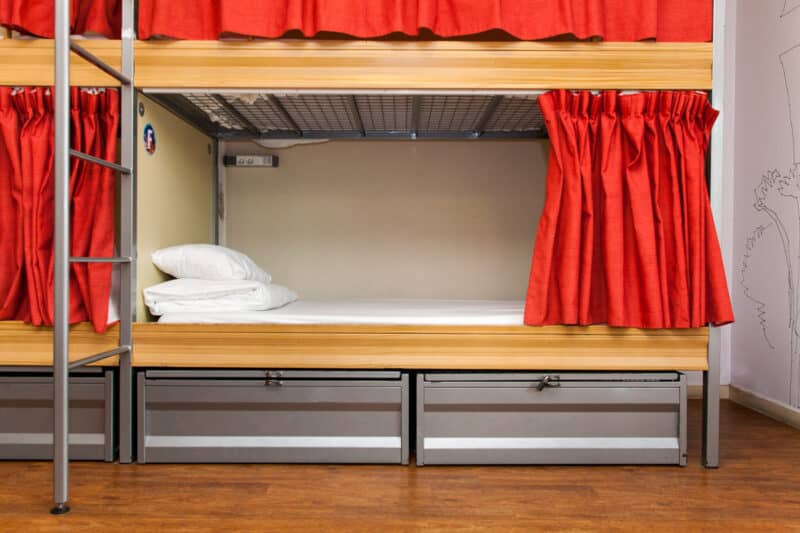
Organisation matters more in a shared room because rummaging through an open backpack at midnight is unpleasant for everyone, including you. Packing cubes let you divide tops, bottoms, underwear and accessories into clear groups. They don’t create extra space, but they can stop your entire bag becoming one tangled pile.
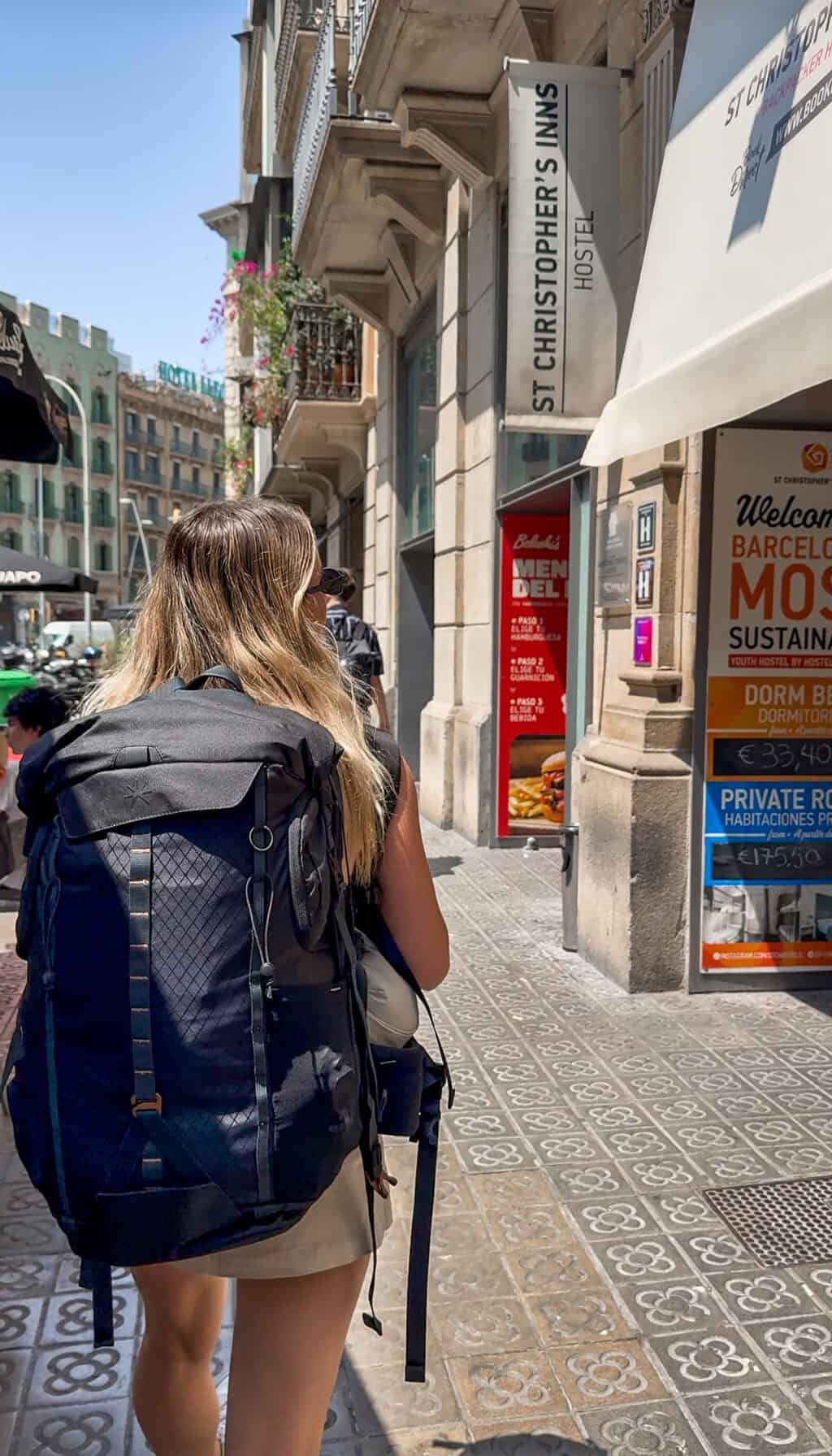
Choose a small crossbody day bag with secure zips and anti-theft features. It should sit close to your body, leave your hands free and fit the essentials you need for a museum, market or evening walk. Keep valuables in a smaller zipped pouch inside it, rather than dropping cards and cash into a large compartment.
Build a two-bag system
Your main bag holds clothing, toiletries and less frequently used items. Your day bag holds your phone, payment cards, a small amount of cash, power bank, documents needed that day, lip balm and sunscreen. That separation saves time when you leave the hostel and reduces the temptation to carry everything everywhere.
Zip bags are useful for damp swimwear, snack wrappers, loose chargers and toiletries that might leak. Carabiners can attach keys or a small pouch to a strap, but don’t use them as a substitute for a secure zip. Label cubes if you’re travelling quickly between cities, and put your most-used items near the top.
A simple routine works well in a dorm: remove only the cube you need, keep valuables in the day bag and repack before you go to sleep. This leaves your bed area calmer and makes an early departure far less frantic.
7. Medications and First Aid Essentials
Your first-aid kit doesn’t need to resemble a clinic. It needs to cover the minor problems that can interrupt a walking day, such as blisters, headaches, hay fever, small cuts and travel nausea. Pack personal prescriptions in their original labelled containers, and carry a clear list of medication names and dosages.
A compact kit might include plasters, antiseptic wipes, antibiotic ointment, pain relief, antihistamines and motion-sickness remedies if you’re prone to nausea. Add any personal items you know you use, such as contact-lens supplies or a specific treatment for migraines. Don’t rely on finding the same brand or formulation abroad.
Keep medical information easy to find
Put essential medication in your hand luggage rather than burying it in a checked bag. Use a separate pouch so you can reach it on a train, during a long airport wait or after arriving late at a hostel. The pouch should be clearly organised, but not so conspicuous that it advertises what you’re carrying.
Check destination requirements for prescription medication before leaving, particularly if your route crosses several countries. Documentation can be important, and liquid medication may be subject to different airport handling from ordinary toiletries. Manchester Airport’s guidance, linked earlier, is a useful reminder to distinguish prescription liquids from standard skincare and beauty products.
A few plasters can save an evening when a new shoe rubs, while antihistamines can make seasonal travel more manageable. These are small items, but they solve immediate problems without requiring a search for a pharmacy when you’re tired or unfamiliar with the neighbourhood.
8. Money, Cards and Payment Methods
Use more than one way to pay, and keep the alternatives separate. A primary debit or travel card can sit in your secure day bag, while a backup card stays in your main luggage or another concealed location. Carry modest local cash for small purchases, lockers or places that don’t accept cards, but don’t keep all your money in one wallet.
Multi-currency services such as Wise or Revolut can help you manage spending across European destinations, provided you understand the account terms and card controls. Apple Pay or Google Pay can be convenient in cities such as Barcelona, but a phone is not a complete payment plan. A flat battery, lost handset or blocked account can leave you needing a physical card.
Divide your financial backups
Primary card: Keep it accessible but protected in a zipped compartment.
Backup card: Store it separately from your main wallet and don’t use it casually.
Emergency cash: Split it from your cards so one lost wallet doesn’t end the day.
Bank controls: Tell your providers about travel if their security process requires it.
Use ATMs in secure, well-lit places, such as inside a shopping centre or near your accommodation, rather than accepting help from strangers at a street machine. Track spending in a basic notes app or spreadsheet, especially when you’re moving through several cities.
9. Sun Protection and Personal Safety Items
Sun protection belongs in a city bag, not just a beach bag. Sunscreen, sunglasses and a cap take little room, yet they make long days outdoors more comfortable. A sunscreen stick can be easier to apply to your face without opening a large bottle in a crowded street, while a foldable hat protects your scalp and face during extended walking.
Choose sunglasses that are comfortable enough to wear for hours, and keep them in a soft case so they don’t scratch against keys or chargers. Pack a light rain layer if the forecast is changeable, since sun protection and weather protection often need to share the same day bag.
Personal security items should support sensible habits, not create a false sense of invulnerability. A portable door wedge or small travel lock may give you reassurance in an unfamiliar dorm, but it doesn’t replace using the accommodation’s lockers, keeping valuables close and paying attention when arriving late.
Make your day bag part of the safety plan
A secure crossbody bag with anti-theft features is a practical choice for solo European travel, particularly in busy stations and central attractions. This guide to hostel safety for solo female travellers offers further context on choosing accommodation and handling shared spaces. Keep your phone and cards in zipped compartments, and avoid placing your passport in an outside pocket.
Pack sunscreen according to the airport rules that apply to your departure. If it’s a liquid or gel, it may need to fit the compliant hand-luggage bag. For additional product ideas, browse this sun protection dupes guide.
10. Reading Material and Entertainment
Travel includes quiet stretches. A train may be delayed, rain may change your plans, or you may want an early night after a full day exploring. An e-reader keeps a large reading choice in a small package, while a notebook and pen give you somewhere to record addresses, recommendations and memories without relying on a screen.
Download books, maps and travel information before leaving reliable Wi-Fi. Keep your phone for navigation and communication, then use an e-reader for longer reading sessions when you want to preserve battery. A physical book can be worthwhile if it’s meaningful or if you prefer paper, but it should earn its weight.
Leave room for social downtime
A travel journal can become a useful record of hostel friends, restaurant suggestions and places you’d like to revisit. Write a few lines at the end of each day rather than waiting until the end of the trip, when details blur together. A small sketchbook also works well for noting architectural details in Bruges, Berlin or Edinburgh.
Hostel book exchanges can offer an easy way to swap something you’ve finished for a new read. Social spaces and on-site bars give you the choice of joining other travellers for an evening, while a book lets you enjoy time alone without needing to fill every hour. Pack one entertainment option that supports rest, not a whole collection of things you might never use.
Your Bag, Ready for the Journey
The best packing system is the one you can repeat without stress. Lay everything out before it goes into the bag, then remove duplicates ruthlessly. If you’ve packed two items that solve the same problem, keep the lighter, more versatile version unless the second one is essential for your health, comfort or itinerary.
Run through the practical items separately from your clothes. Check your passport, travel insurance details, tickets, payment cards and medication. Test every charger and power bank, confirm your adapter works with your devices, and make sure your liquid bag follows the rules for the airport you’re leaving from. Airport procedures can differ, so checking the latest guidance is more useful than relying on a checklist saved from a previous journey.
Women often spend longer preparing for trips, and a UK-linked survey found that women took longer to pack than men across every trip length measured. The reported packing times were 31 minutes for a weekend break, 34 minutes for a business trip, 25 minutes for a single night away and 51 minutes for a fortnight away, compared with 23, 28, 19 and 41 minutes for men respectively. The same UK survey coverage reported that more than a third of women packed a few days ahead, while 41% of men packed the day before travel. Use that planning instinct well, but don’t let preparation become an excuse to add more.
Match the bag to the trip
A short city break needs a tighter clothing rotation than a long multi-stop journey. A longer trip may justify a laundry plan, a little more personal care and one extra layer, but it still doesn’t require a separate outfit for every possible evening. Choose pieces that can move from a daytime walking route to a casual meal or an on-site bar with a change of layer and accessories.
Dorm comfort deserves its own small kit. Earplugs, an eye mask, sleepwear, shower sandals and a compact towel can make shared facilities easier, though you should check what your accommodation supplies before packing bulky duplicates. Keep that kit together so you don’t need to unpack your whole bag after arriving late.
Before you leave, weigh the finished bag and lift it as you’ll lift it at a station or onto a train. Heavy footwear, full-size toiletries and “just in case” clothing are usually the first things to reassess. Leave capacity for laundry, snacks and useful purchases made on the road.
St Christopher’s offers central hostels, clean dorms and private rooms, social communal spaces and lively on-site bars where solo travellers can meet naturally without heading far after a long day. Pack your secure day bag, adaptable layers and organised essentials, then visit St Christopher’s to find a practical base for your next European city-hopping trip.
Our direct rates are guaranteed to be at least 5% cheaper than anywhere else online, with a free drink on arrival, 25% off food at the bar, and free cancellation options available.