Best Cities in Europe for History Buffs: 8 Solo Guides
Phill
A rainy morning is often when a solo trip stops feeling theoretical and starts feeling real. You’re in a city...
Share This Article
A rainy morning is often when a solo trip stops feeling theoretical and starts feeling real. You’re in a city you’ve never visited, your map is open at a chapel or a palace, and you suddenly realise that history is much easier to enjoy when you’ve got a central bed, one free stop to begin with, and somewhere easy to sit with a drink later and trade stories. That’s usually the difference between a day that feels scattered and a day that sticks.
These solo guides cover seven of the best cities in Europe for history buffs. You’ll get straight to what matters, a quick historical angle, the sights worth your time, realistic ticket ranges where they’re useful, and one to two day routes you can follow without spending half the trip in transit.
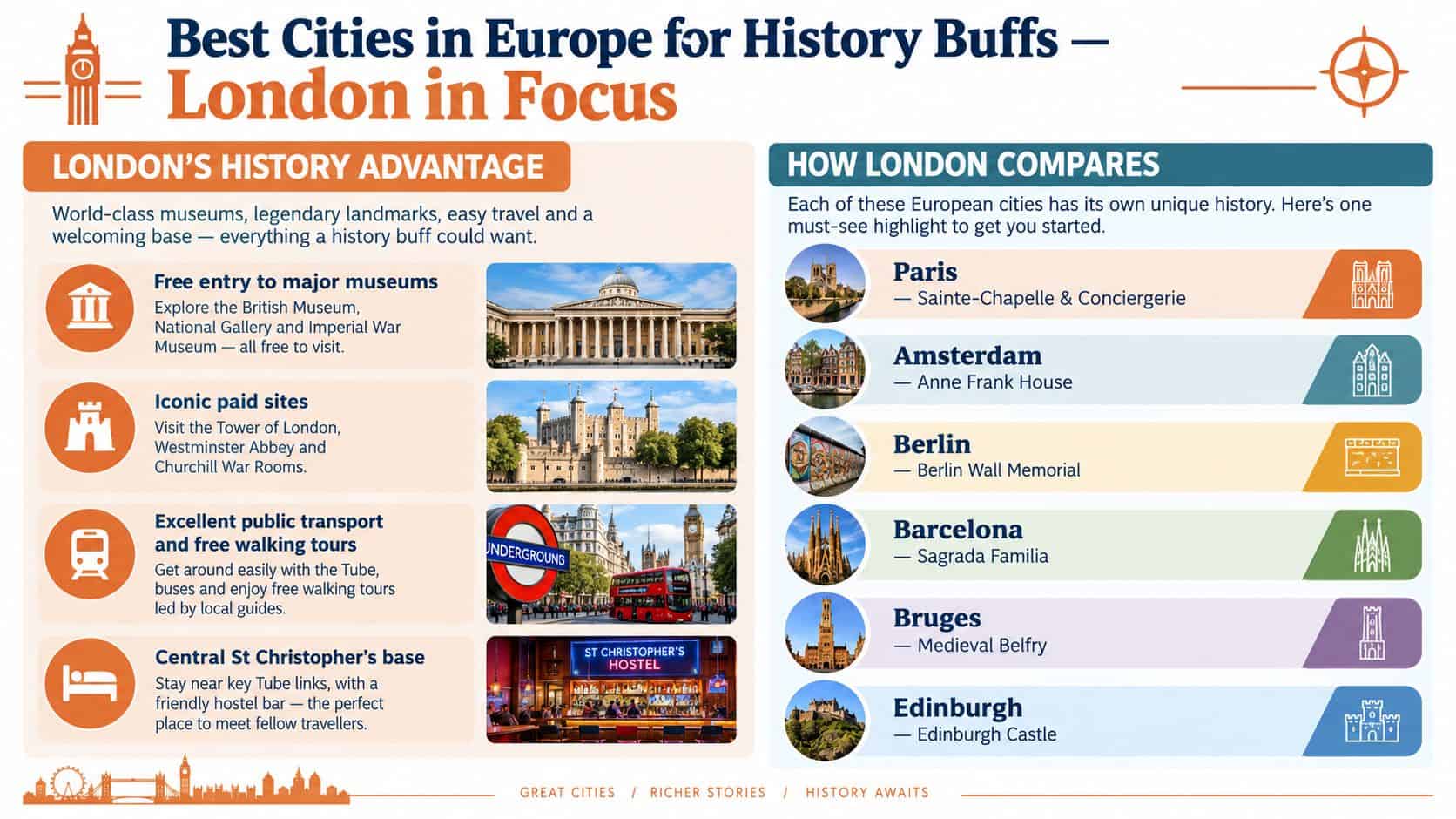
1. London for History Buffs, Solo Guide to Free Museums, Royal Landmarks
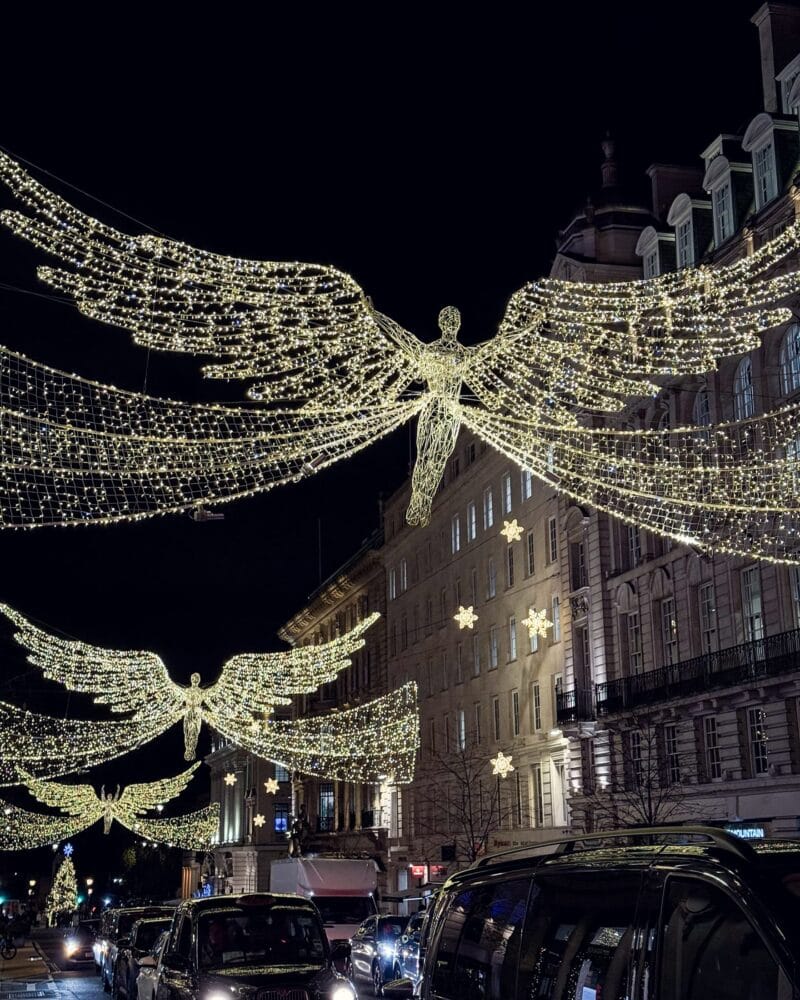
London works brilliantly for solo history travel because it doesn’t ask you to commit to one era. You can start with Roman Londinium, move through medieval power, Tudor monarchy, the Great Fire of 1666, wartime Britain and modern government in the space of a couple of Tube rides. That density matters because 53% of the UK population visit a historic town or city at least once per year, and 42% visit a museum or gallery, which tells you heritage isn’t a niche interest at all for UK travellers according to The National Lottery Heritage Fund’s tourism impact research.
London is also kinder to a modest budget than people assume, because many of the strongest collections are free. That means you can save paid tickets for the places where the setting itself is the history, such as Westminster Abbey or the Tower.
A London route that actually works
Day one is the classic power route. Start at Westminster Abbey, walk past Parliament, then head into the Churchill War Rooms if wartime history is your thing. Finish at the National Gallery, which costs nothing to enter and gives you an easy indoor final stop if the weather turns.
Day two is better east. Do the Tower early, cross to Tower Bridge, then walk towards Borough Market and Southwark Cathedral. If you want a free day, swap in the British Museum, then follow the Thames Path towards Tate Modern and see if a Shakespeare’s Globe tour fits your timing. For more museum planning, St Christopher’s already has a solid guide to British history museums in London.
Practical rule: In London, pay for buildings and use museums to balance the budget.
Use contactless or Oyster: Daily fare capping keeps costs predictable on buses and the Tube.
Book timed slots early: The Tower and Westminster Abbey are much smoother when you’ve reserved ahead.
2. Paris for History Buffs, Solo Guide to Royal Chapels, Revolutionary Sites
Paris is best when you stop trying to “do Paris” and focus on one historical thread at a time. The city lets you move from Roman remnants to medieval royal power, then into the French Revolution and Napoleonic history, often on foot. The official Paris tourism authority points to Saint-Germain-des-Prés as one of the places where the city still retains elements from the Roman period, which makes it a useful anchor if you want to read Paris as layers rather than as postcard sights in Paris je t’aime’s history overview.
That’s why Paris works so well for solo travellers. You can walk a serious amount of history without needing a rigid schedule, then use the Metro only when your feet give up.
Best one-day and half-day history routes
If you’ve only got half a day, do Île de la Cité properly. Notre-Dame from outside, then Sainte-Chapelle, then the Conciergerie, then Pont Neuf. It’s compact and it feels coherent. You’re following the line of medieval and royal Paris rather than ricocheting around the city.
For a different mood, do Père Lachaise in the morning, then walk the Canal Saint-Martin later when you want the day to loosen up.
Why Napoleonic Paris is easier to grasp than people think
Napoleon gives Paris a very clear historical trail. He laid the first stone of the Arc de Triomphe on 15 August 1806, and it was completed in 1836. The Vendôme Column, built between 1806 and 1810, stands 44.3 metres high and was created to commemorate Austerlitz and honour the army in Paris je t’aime’s Napoleonic guide.
Book ahead for bottlenecks: Sainte-Chapelle and the Catacombs often sell out.
Use late openings smartly: The Louvre is calmer on late-opening evenings.
Keep valuables close: Around Gare du Nord and busy Metro lines, a front pocket or cross-body bag is the sensible choice.
3. Amsterdam Canal Ring and Golden Age
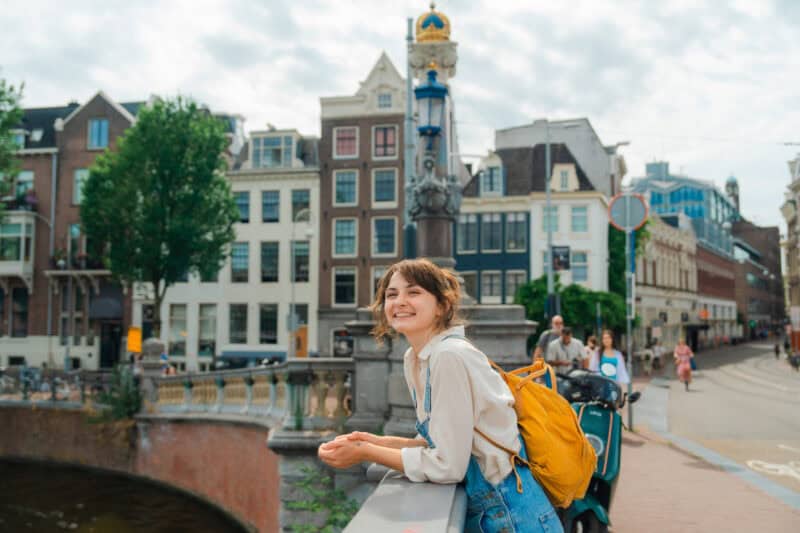
Amsterdam is one of those places where the setting does half the historical work for you. The canal belt, the merchant houses, the churches and the tight street grid make the city legible even before you enter a museum. For a solo traveller, that’s ideal. You can have a full day just by choosing one district and walking it slowly, then use trams for the bigger jumps.
The Golden Age version of Amsterdam is best approached through the centre first, not the museum quarter. Start with old streets and church interiors, then let the big collections sharpen what you’ve already seen outside.
The route I’d give a friend on a first visit
Day one should stay central. Go to the Begijnhof, then the Oude Kerk, then around Dam Square. Keep the afternoon for canals rather than forcing another indoor stop. You’ll remember the city better if you let yourself look up at façades and warehouses instead of spending all day in queues.
Day two can take the heavier booking pressure. If Anne Frank House is on your list, book as soon as your dates are fixed. Follow it with a walk through the Jordaan, which gives the day room to breathe again. If you want a museum morning instead, do the Rijksmuseum as early as you can, then take the tram to the Van Gogh Museum later.
Amsterdam rewards early starts more than late pushes. The first hour of the day is when the centre still feels like a real city, not just a route between ticketed sights.
4. Amsterdam WWII, Jewish Heritage and Resistance History
Amsterdam’s second historical story is quieter and much heavier. This is the city of the Jewish Quarter, wartime persecution, resistance and absence. It’s the side of Amsterdam that pushes you to slow down, read properly and leave gaps between museum visits, because trying to cram too much into one day usually flattens the experience.
The Plantage and Jordaan areas are especially good for this. They don’t force the city into a single wartime monument. Instead, they show how memory sits inside ordinary streets.
A slower route through wartime Amsterdam
Start in the Plantage and Jewish Quarter. Hollandse Schouwburg, the Portuguese Synagogue and the Jewish Historical Museum belong together much more than they do with a random canal loop somewhere else in town. Keep a quiet café stop in the middle of the day. It helps.
On another day, begin with the Resistance Museum, then spend the afternoon walking the Jordaan. That softer afternoon matters because it gives you room to absorb what you’ve seen instead of racing straight into the next ticketed site.
Check smaller sites before you go: Opening hours can be more limited than for the headline museums.
Use a day travel card: Trams and Metro make costs easier to control.
Choose one emotional anchor each day: Don’t stack every heavy museum into a single itinerary.
5. Berlin Museum Island and Cold War History
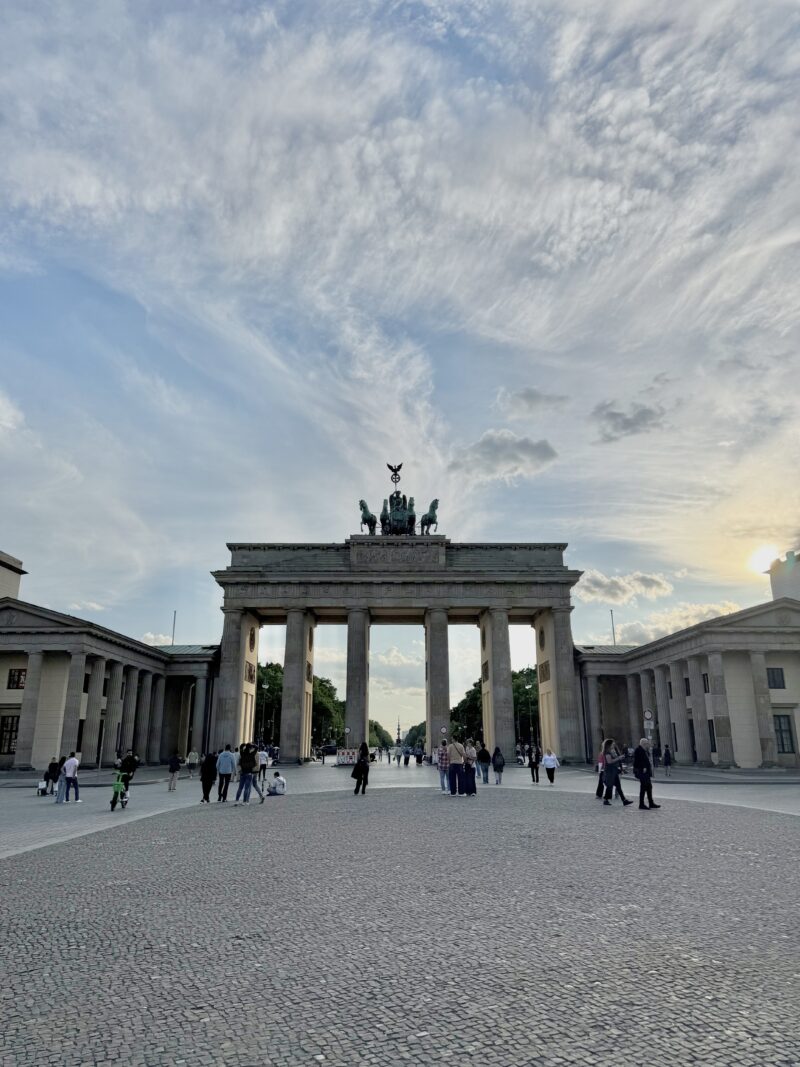
Berlin is one of the best cities in Europe for history buffs because it doesn’t hide its fractures. Medieval origins, imperial ambition, dictatorship, destruction, division and reunification are all still readable in the urban fabric. Even the city’s earliest story is unusually concrete. By 1400, the settlements of Cölln and Berlin had merged into a double town with about 8,500 residents, roughly 1,100 buildings and three town halls. Later, in 1709, Frederick I joined Berlin, Cölln, Friedrichswerder, Dorotheenstadt and Friedrichsstadt into one city as VisitBerlin explains in its history overview.
That matters on the ground because Berlin was never just one neat historic core. You feel the city’s history in layers and fragments.
Two Berlin days that don’t fight each other
Keep one day for Museum Island and nearby imperial Berlin. Neues Museum and Altes Museum pair well, then walk to Berlin Cathedral and the Lustgarten. Don’t try to “also fit” the Wall into that same day. It cheapens both.
Give another day entirely to Cold War Berlin. The Wall is more understandable when you treat it as a route, not a single photo stop. Construction began on 13 August 1961. The barrier around West Berlin eventually ran for 156.4 kilometres, including 43.7 kilometres between East and West Berlin, and it divided the city for 28 years until crossings opened on 9 November 1989in VisitBerlin’s Berlin Wall history summary.
You’ll understand Berlin faster by walking memorials in sequence than by collecting isolated landmarks.
6. Barcelona Gothic Quarter and Gaudi Heritage
Start in the Gothic Quarter before Barcelona’s heat and crowds build. Roman traces, medieval lanes, cathedral squares and the old Jewish quarter sit within a walkable centre, so a solo traveller can explore at their own pace without spending the morning on public transport. Give Gaudí’s modernista landmarks a separate block. Their scale, queues and timed entry make them easier to enjoy with a little planning.
A useful split is simple: old Barcelona first, modern Barcelona second. The contrast gives the day shape and prevents the city’s two strongest historical stories from competing for your attention.
Build the day around walking and timed entry
Begin near Barcelona Cathedral, then follow the Roman walls towards Plaça del Rei. The route is compact, but allow time for courtyards, small lanes and pauses in shaded squares. These details are easy to miss if you rush between headline attractions.
Continue towards El Born for lunch, then choose one Gaudí visit rather than trying to collect every major site. Sagrada Família works best with a fresh morning if you can arrange it. Park Güell can suit a later afternoon, although the walk and uphill sections make comfortable shoes useful.
For more background before setting out, read this guide to the Gothic Quarter in Barcelona. It helps turn the old centre into a route with context, rather than a series of attractive streets.
7. Bruges Medieval Heritage and Canal City
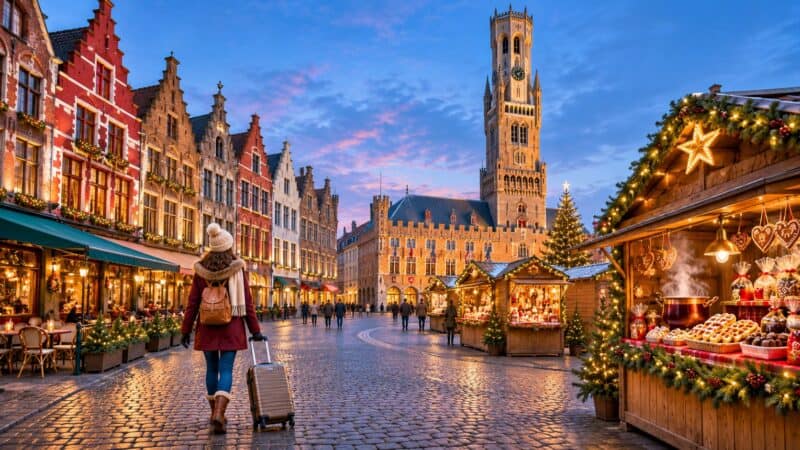
Bruges rewards an early start and an unhurried route. Its medieval centre is compact, so a solo traveller can cover major sights on foot, stop for coffee, and still have time for the canals without losing hours to transport or queues. The trade-off is simple: the city feels calmer than larger capitals, but the Markt and Belfry become busy once day-trippers arrive.
That compact layout also makes Bruges practical from the UK. City breaks are becoming more popular, while independent consumer research found that travelling by train to Brussels can be almost two hours faster than flying once airport waiting and transfers are included, with emissions 94% lowerin ABTA’s Holiday Habits report. Continue from Brussels to Bruges by train, then base your day around the historic centre.
A walkable medieval day
Start at the Belfry before the main crowds. From there, move to the Basilica of the Holy Blood, then continue towards the Church of Our Lady and the Groeningemuseum. The order keeps the most time-sensitive stop first and leaves quieter indoor visits for later.
Save a canal boat for the afternoon. It gives your feet a break and offers a different view of the brick façades, bridges and church towers. With a second day, add the Begijnhof and Minnewater, or make the short trip to Ghent for another layer of medieval and early modern history.
Bruges is one of the rare cities where doing less usually means seeing more.
8. Edinburgh Old Town and Royal Mile
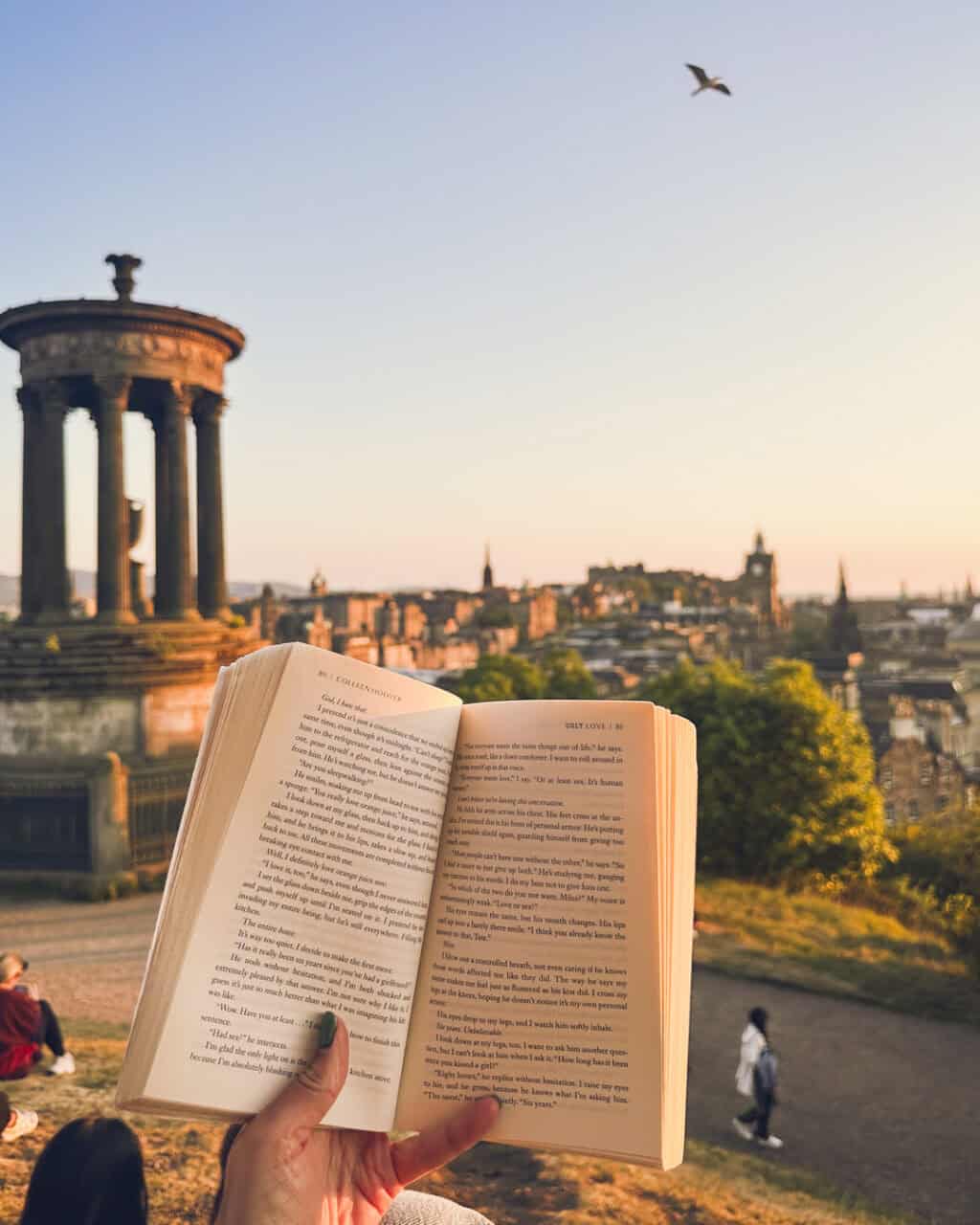
Start at Edinburgh Castle while your legs are fresh. From Castle Rock, follow the Royal Mile downhill through medieval closes, St Giles’ Cathedral and the Canongate area towards Holyrood. This compact route lets you read Edinburgh as a connected story, from the 12th-century Old Town ridge to the planned New Town that followed from the 18th century.
The city has been Scotland’s capital since the 15th century. Its World Heritage designation came in 1995, and the protected area contains about 4,500 buildings, according to UNESCO’s Edinburgh urban heritage profile. The result is unusually practical for a solo history trip. You can move between royal, religious and civic sites without spending the day on buses.
Allow most of a day for the Castle if you want time for the Crown jewels, military displays and views across the city. Ticket prices and queues vary by season, so check availability before setting out. St Giles’ Cathedral is a useful lower-cost stop, while the National Museum of Scotland gives you a free indoor option when the weather turns.
For a second day, visit the Palace of Holyroodhouse and book Real Mary King’s Close if underground history appeals. You can also widen the itinerary with this guide to castles near Edinburgh, although staying in the centre keeps transport simple.
Edinburgh’s UNESCO status is more than a label. An evaluation of Scotland’s UNESCO Trail found that about 8% of domestic visitors typically visited a UNESCO site during a Scottish holiday or short break, compared with about 16% of short-haul visitors and 28% of long-haul visitors. It also reported that 31% to 46% considered the trail an important factor in choosing a UNESCO site, with Edinburgh’s Old and New Towns among the places affected by the initiative in the Scotland UNESCO Trail evaluation summary.
Plan around three practical constraints:
Reserve Castle and palace entry during peak season. Crowds build quickly.
Wear shoes with grip. Cobbles, steps and slopes make flimsy trainers uncomfortable.
Check festival dates. They bring atmosphere, but accommodation and quiet streets become harder to find.
Choose Two or Three Cities and Plan Ahead
The biggest mistake with history trips is overloading them. Don’t try to cram all seven cities into one frantic sweep and call it culture. Pick two or three that suit the kind of history you enjoy. London and Edinburgh work well if you want royal, political and museum-heavy days. Paris and Bruges make sense if you want walkable urban history with strong atmosphere. Berlin pairs well with Amsterdam if you’re more drawn to modern history, memory and the twentieth century.
Planning ahead matters most where demand is tight. Book timed entry for the Tower, Anne Frank House, Sagrada Família and the Reichstag before you travel. Those are the places that can derail an otherwise well-planned trip if you leave them too late. Museum-heavy cities also go better when you decide in advance which paid stops are essential and which free stops can act as breathing space.
That practical side isn’t a small detail. UK cultural-attraction data shows 74% visited a heritage site and 52% of adults visited a museum in one measured period, while museum audiences recorded a 98% Good-or-Very-Good overall experience rating. The same evidence suggests overseas visitors may need better interpretation and pre-arrival support, which is exactly why it helps to sort opening days, ticketing and transport before you leave in the audience research summary on museums and heritage visits.
Keep one afternoon free in every city. History rewards that. Some of the best moments won’t be the headliners. They’ll be a side street in the Jordaan, a quiet churchyard in London, a canal at dusk in Bruges, or a closing stretch of the Royal Mile when most day-trippers have gone. If you’re trying to build a first itinerary around the best cities in Europe for history buffs, the smartest move isn’t to cover everything. It’s to give a few places enough time to feel real.
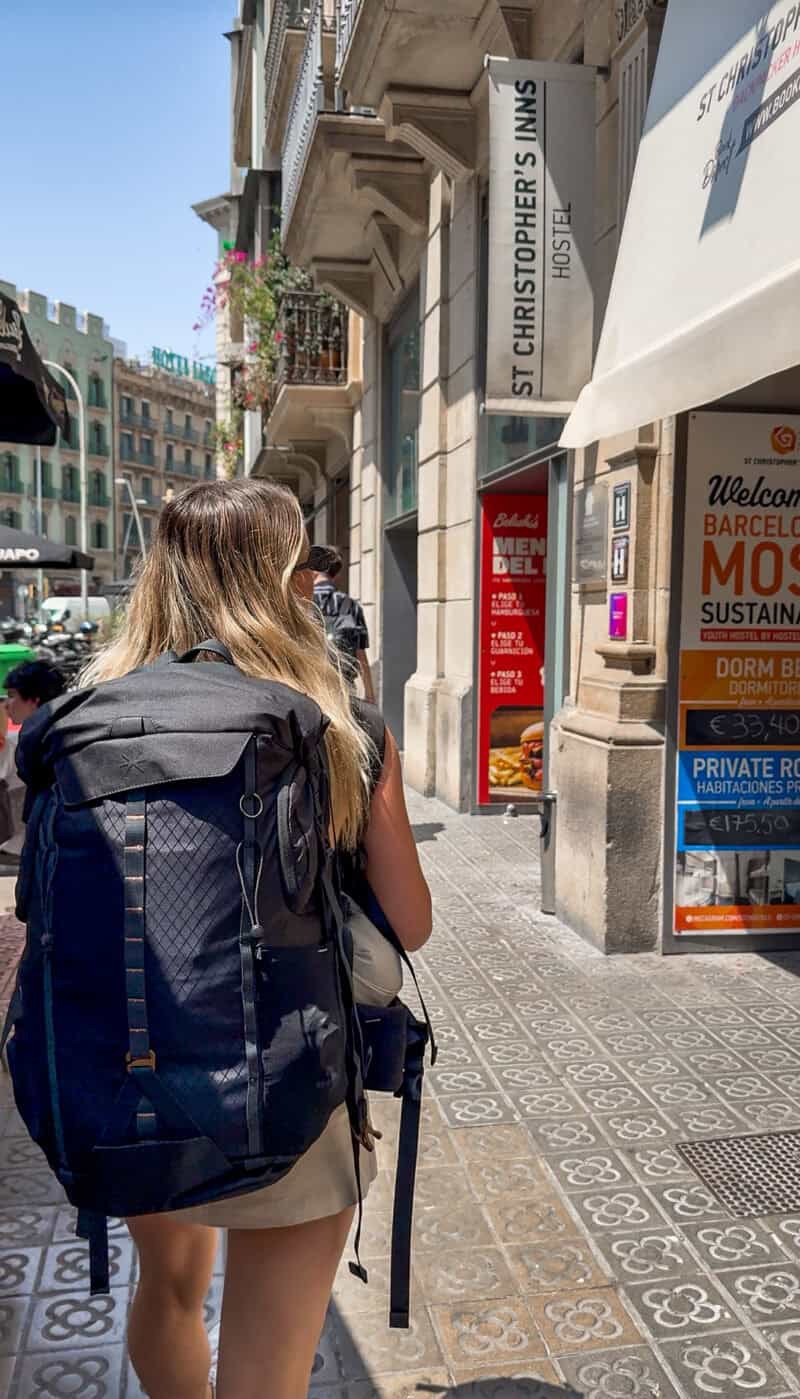
If you want a central, social base for a history trip, St Christopher’s gives you hostels in the cities above with on-site bars, direct-booking perks like a free welcome drink and 25% off food, and locations that cut down the daily scramble. For solo travellers, that means more time in museums, palaces and old streets, and less time figuring out where to go next.
Our direct rates are guaranteed to be at least 5% cheaper than anywhere else online, with a free drink on arrival, 25% off food at the bar, and free cancellation options available.