8 Winter Travel Tips Europe: Stay Warm and Save More
Hayley
Europe in winter can be cold, dark and surprisingly expensive when poor planning leaves you paying for taxis, missed sightseeing...
Share This Article
Europe in winter can be cold, dark and surprisingly expensive when poor planning leaves you paying for taxis, missed sightseeing hours or last-minute changes. These winter travel tips for Europe will help you prepare for changing weather, make every euro work harder and still enjoy markets, cultural attractions and spontaneous city nights.
You don’t need to spend the whole day indoors or follow a rigid schedule. A few thoughtful choices can help you stay warm, feel safer after dark and meet other travellers without putting your budget under unnecessary pressure. Start with a flexible plan, then leave room for the parts of a trip you can’t schedule, like a good conversation over dinner or a quiet walk through a city centre.
1. Pack Smart for Cold, Damp European Winters
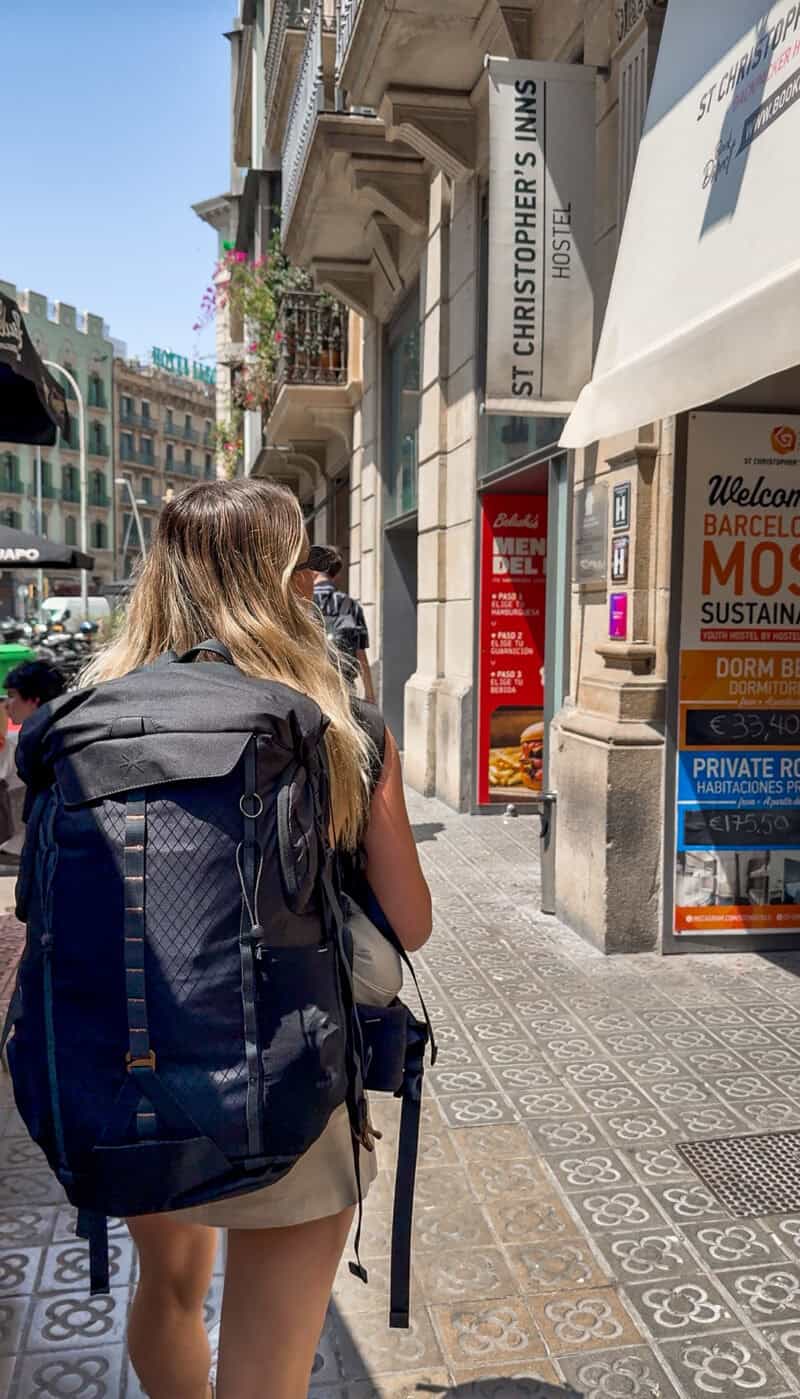
A winter day can take you from a windy street into a heated museum, then back out into the cold after sunset. Wear layers you can remove, rather than relying on one heavy coat. A base layer, jumper and waterproof outer layer give you more options as the temperature changes, while keeping your bag manageable when you’re travelling solo.
Check the forecast for your destination, not just the country. Berlin, Amsterdam and Barcelona can feel very different in winter. A market visit in Berlin may be pleasant early in the evening but bitter later on, while Amsterdam’s canal paths can feel damp and windy even when the weather seems mild. In Bruges, cobbles can become slippery in frost or rain, so shoes with a good grip matter as much as a warm coat.
Make your day bag work harder
Keep dry socks in your daypack for long walks, and bring a compact umbrella for a sudden shower. A reusable water bottle is useful even when you don’t feel as thirsty as you would in summer. For more ideas on keeping your luggage practical, use this guide to packing your travel backpack.
Practical rule: Pack for changing conditions, not for a single perfect forecast. If your outer layer keeps rain and wind out, you can adjust warmth with lighter layers underneath.
If you’re planning a snow-dependent trip, don’t assume the conditions will cooperate. Copernicus reported that most of Europe had fewer-than-average snow days in winter 2025, and that Europe’s snow-covered area in March 2025 was approximately 31% below average (Copernicus’ winter snow coverage report). For a ski or sledging trip, check live conditions before you commit to activities. If the forecast turns wet, a city with museums, food halls and good cafés gives you a more reliable day out.
2. Plan Around Christmas Markets and Winter Festivals
Markets and light festivals can be a lovely way to spend a winter evening, especially when you’re travelling alone and want an easy place to wander, eat and people-watch. They’re also popular, and the busiest stalls can turn a relaxed visit into a slow shuffle through crowds. Check the official city tourism site for dates and opening times before you travel, then choose a weekday visit where possible.
In Berlin, markets are spread across several districts, so decide which one fits your route rather than trying to cover them all in one evening.
Keep the market visit enjoyable and affordable
Set a food budget before you arrive. Warm drinks, snacks and handmade gifts are tempting when you’re cold, and spending can creep up as you browse. Arrive earlier on popular nights if you have a particular stall in mind, then stay for the atmosphere once the crowds build.
A market visit also works well as a low-pressure social outing. You can strike up a conversation while looking at the stalls, then continue exploring together if you get on. For more ideas on where to go, browse this guide to Christmas markets across Europe.
Try not to plan your entire trip around snow or a market being open every night. Dates and schedules vary, and winter conditions can affect travel. A city break feels less stressful when you have a second plan, such as a museum or neighbourhood café, ready for a wet evening.
3. Use Central Hostel Locations to Save on Winter Transport
When it gets dark early or rain starts falling, a long cross-city journey becomes less appealing. A central base can cut down on extra transport, make it easier to walk between sights and give you a shorter route home after an evening out. For a short winter break, location is part of the budget: the room rate is only one part of what you spend.
Make transfers and late journeys simpler
Download the local transport app before you arrive. It can help you check routes and service updates, especially if engineering works change your usual journey. If you’ll use the metro regularly, compare the cost of single fares with a multi-day pass. Ask reception which station entrance is closest, as large stations can have exits that lead to very different streets.
Before going out, check how you’ll get back. Night buses may not follow the same route or schedule as daytime services, and a central base can make it easier to walk home rather than pay for an unplanned taxi. For rail journeys, leave a buffer between connections instead of relying on a tight transfer.
Winter weather can disrupt trains through altered timetables, speed restrictions and longer journeys, as the Met Office’s advice on severe weather and rail travel explains. UK Department for Transport modelling estimated severe winter disruption at approximately £280 million per day in welfare impacts in England, with direct economic costs estimated at £130 million per day in 2010 prices. Build in time, check service updates before leaving your accommodation and avoid booking an important onward connection immediately after you arrive.
4. Make the Most of Short Winter Days with Indoor Activities
In December and January, northern European daylight can fade before the afternoon is over. Plan your most weather-sensitive outdoor sightseeing for earlier in the day, then use a museum, gallery or café as a warm pause when the light starts to go. That gives you a natural change of pace instead of trying to push through cold streets until you’re tired.
Berlin’s Museum Island brings together five museums, while Amsterdam’s Rijksmuseum and Van Gogh Museum are within reach of the city centre. Check each museum’s official website for opening days, entry arrangements and timed tickets. Some museums close on Mondays, so confirm before you build your day around a visit.
Use indoor time as part of the day, not a fallback
Visit a popular attraction earlier, then leave the afternoon for somewhere less structured. A coffee stop or an unhurried lunch can give you a chance to warm up, check the forecast and decide whether you still fancy an outdoor walk. If you’re travelling alone, a shared table or a communal hostel space can make a pause feel less like waiting out the weather.
Don’t book your day so tightly that one late start ruins everything. Pick a main attraction, then keep a nearby indoor alternative in mind. A museum visit, covered market or food hall can still make a rainy day feel full, without requiring an expensive last-minute activity.
For winter travel, the best itinerary isn’t always the one with the most outdoor landmarks. Choose a city with enough variety that a mild, wet or windy forecast won’t leave you stranded with nothing to do. A warm indoor stop can be part of the plan from the outset.
5. Stay Safe on Dark Winter Streets as a Solo Traveller
Dark evenings, wet pavements and icy patches call for a little more care when you’re travelling alone. Keep your phone charged, stick to well-lit main streets and check your route home before you head out. If you’re new to the city, ask reception which streets and transport options make sense for your return journey.
Make the journey home part of your plan
Share your plans or live location with someone you trust if that makes you feel more comfortable. Keep valuables in an inside pocket or a bag you can keep close, and avoid carrying everything in an easy-to-reach outer pocket. Wear shoes with grip, slow down on frosty surfaces and don’t take a shortcut just because it looks quicker on a map.
Insurance and documents deserve attention before departure too, particularly if your winter plans include skating, sledging or a mountain excursion. UK Government guidance recommends checking that your travel policy explicitly covers winter sports and reviewing exclusions and limits. In research involving more than 600 travellers, 31% had not checked whether their insurance covered winter sports before departure (UK Government winter sports insurance guidance). Check medical expenses, rescue, cancellation, baggage and activity cover rather than assuming a standard policy includes everything.
Carry a European Health Insurance Card where applicable, confirm your passport validity and monitor official travel advice and local weather. In an emergency across Europe, call 112.
6. Meet People on Long Winter Evenings Through On-Site Bars
A cold, wet evening can make the idea of finding somewhere social feel like another task. An on-site bar removes that extra journey, and gives solo travellers a natural place to start a conversation without having to plan an entire night out.
If you’re travelling during a period of uncertain weather, check the forecast before heading out and keep your plans close to your base. An on-site bar means you can enjoy a social evening without committing to a long walk back through rain or cold later on.
7. Book Direct to Protect Your Winter Budget and Flexibility
Winter travel plans can change when a train is delayed, the weather turns or you decide to stay another night. Flexible cancellation terms matter because they can protect your budget when plans shift. Check the exact conditions for your dates before booking, including whether a refund is returned as cash or issued in another form.
Check the full value, not just the room rate
Compare the direct rate and its terms at the time you book, then check the cancellation policy for your specific dates. Ask reception how to use the food discount before you order, and plan a meal at the bar if it suits your evening. The value comes from the full stay, not just the bed.
Rail disruption is another reason to keep your plans flexible. For eligible Eurostar journeys, if your train is cancelled or expected to arrive more than 60 minutes late, you can choose a refund for the unused part of your ticket or continue by being rerouted. For a delay of 60 to 119 minutes, compensation is 25% of the ticket price; for a delay of 120 minutes or more, it is 50%. Check the Eurostar passenger rights and disruption options before travelling so you know what choices are available.
A central base, a clear cancellation policy and meals close by can make a winter break easier to manage. Keep a small contingency in your budget for replacement transport or an extra meal if a connection goes wrong.
8. Explore Winter Hidden Gems Close to Central Hostels
A winter city feels different once you step away from its busiest shopping streets. Choose one quieter activity each day, such as a canal walk, a small museum or a neighbourhood café, and leave the rest of your schedule open. These slower moments can be a welcome contrast to markets, nightlife and packed indoor attractions.
In Amsterdam, the canal ring is especially peaceful for a walk away from the main shopping streets. In Bruges, take a quieter canal route away from the Markt, particularly in the early morning or at dusk. In Barcelona, the Gothic Quarter’s lanes offer small cafés and bars where you can pause between larger sights.
Go out with a simple route and a warm-up stop
Make a short list of places you want to see, then group them by neighbourhood so you’re not crossing the city repeatedly in cold weather. Ask hostel staff or the INNsiders community for current local suggestions. A nearby café or museum gives you a warm place to stop if the weather changes or your fingers start to feel numb.
For a short winter trip, you don’t need to fit in every landmark. Pick one outdoor walk, one indoor stop and one social plan for the day. A central base makes these choices easier to combine on foot, and helps you head back for a rest without losing the evening.
If your trip includes a car journey, check local winter-driving rules before setting off. In certain French mountain regions, vehicles must use winter tyres or carry chains between 1 November and 31 March, and fines can apply for failing to comply (UK Government travel advice for driving in France). UK drivers generally don’t need an International Driving Permit for trips into the EU, Switzerland, Iceland or Liechtenstein, but should still check the country-specific rules and carry the required documents (GOV.UK guidance on driving in the EU).
Build a Winter Trip That Still Feels Spontaneous
The best European winter trips combine a little structure with room for chance encounters. Check the city forecast, identify one reliable indoor attraction and look up seasonal events before you arrive. Then leave enough time for a market, a neighbourhood walk or a conversation that wasn’t part of the plan.
Start by deciding what kind of winter you’re hoping for. If skiing or snow is central to the trip, keep an eye on current conditions and make sure your insurance covers the activities you plan to do. If you’d rather keep your options open, choose a city where museums, food halls, cafés and social spaces can make a wet or mild day enjoyable too.
Build your daily budget around more than accommodation. Include local transport, meals, mobile data and a little room for disruption or an indoor activity. A central location may cost more for the bed, but it can reduce the need for taxis and long transfers. Compare the whole day’s costs, not just the advertised room rate or flight.
For a short break, make your route easy to follow. Choose one main sight for the morning, an indoor stop for the afternoon and a flexible evening plan. If you’re travelling solo, a staffed reception can help with local route advice, while a lively on-site bar gives you a place to meet other guests without having to organise a night out in advance.
Pack adaptable layers, charge your phone before you leave and check transport updates before setting off. If the weather changes, let the plan change with it. A market visit can become a museum afternoon; a long walk can turn into a café stop and a chat with someone you’ve just met.
For a winter city break, choose a central base with social spaces and a welcoming on-site bar, so you can stay warm and meet fellow travellers without adding a late journey. Visit St Christopher’s to explore its European locations and direct booking benefits.
Our direct rates are guaranteed to be at least 5% cheaper than anywhere else online, with a free drink on arrival, 25% off food at the bar, and free cancellation options available.