You're halfway out the door already, backpack zipped, hostel key still in your pocket, and someone at reception smiles and...
Share This Article
You're halfway out the door already, backpack zipped, hostel key still in your pocket, and someone at reception smiles and says something that sounds like a goodbye but feels a bit warmer. That's the sweet spot of Spanish for safe journey, the little set of phrases that turns a rushed departure into a proper travel moment. If you're staying in a social hostel in Barcelona, Madrid, or anywhere else Spanish is spoken, these are the phrases that help you sound respectful, stay connected, and keep your wits about you on the move. If you want a quick side-by-side with another travel farewell, the safe journey in Gaelic phrase has a similar friendly spirit.
1. Buen viaje
Buen viaje is the one you'll hear most often, and it's the safest phrase to reach for when someone's heading off anywhere. It's the everyday, natural way to wish someone a good journey, and it works whether they're leaving for a day trip, a bus ride, or a flight home. In practice, it's the phrase that sounds friendly without trying too hard.
Use it like a local
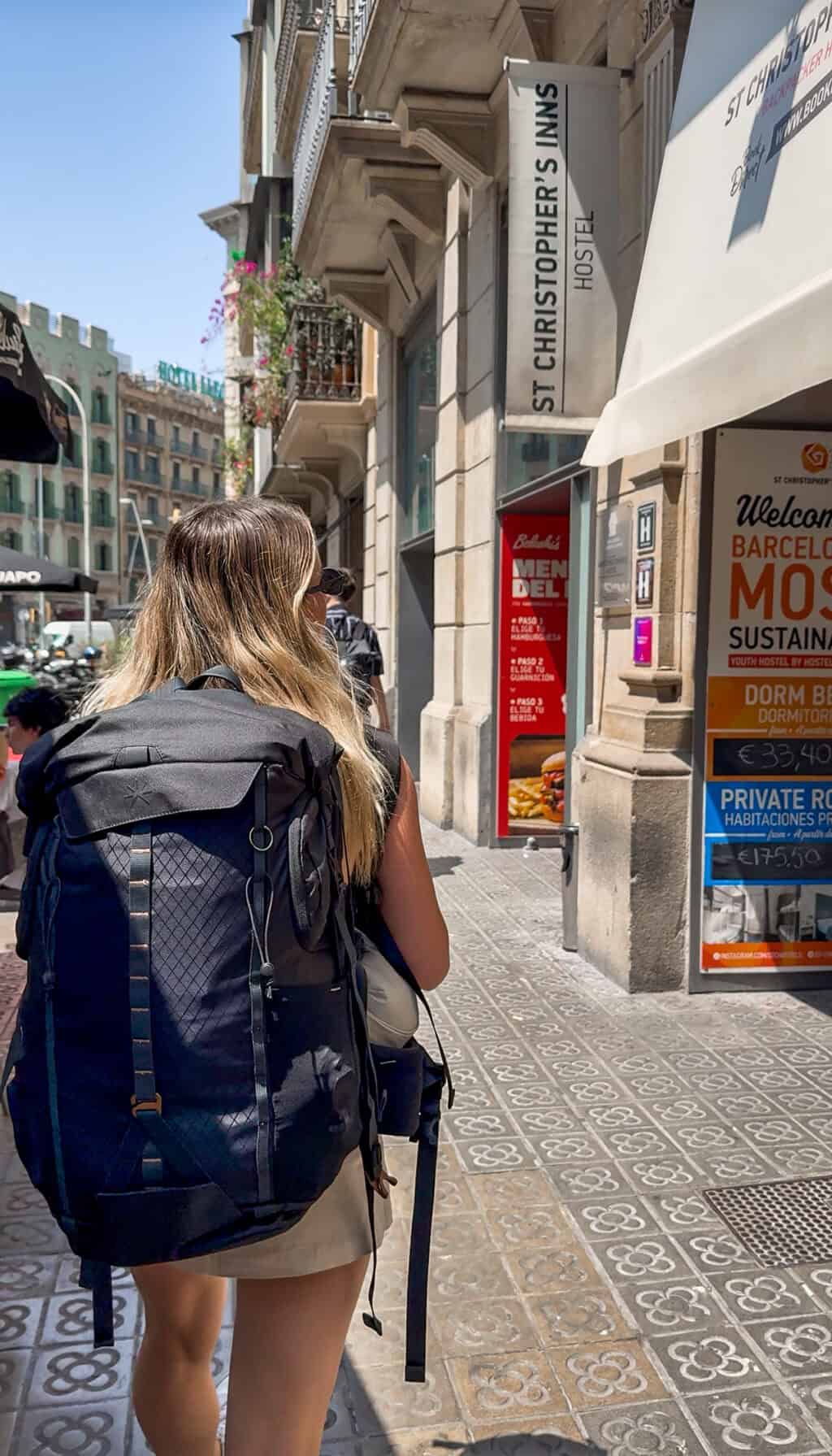
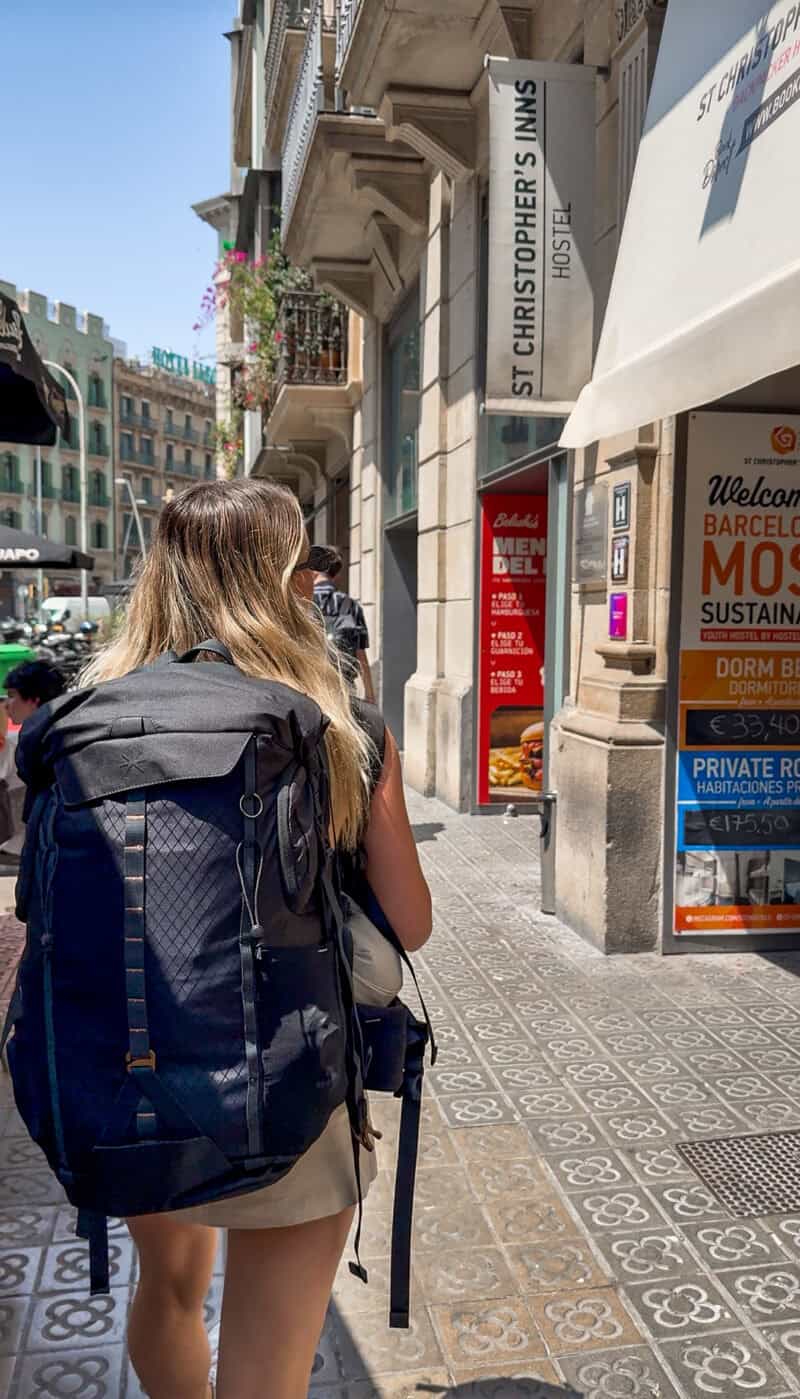
If you're checking out of St Christopher's Barcelona and heading to Sagrada Família for an early start, buen viaje is exactly the sort of thing reception might say as you grab your bag. The same goes for breakfast chats with other guests who are off to the airport after a week in the city, or for that quick nod from a local after you ask for directions. It feels small, but it lands well.
Practical rule: use buen viaje when you want a warm send-off, not a dramatic safety warning.
For solo travellers, it's a brilliant phrase to say back. It shows you've caught the rhythm of the place, and that matters more than perfect grammar. If you're leaving a hostel after a chat with staff, saying it back is an easy way to sound grateful rather than transactional.
One thing I like about buen viaje is that it's broad. It doesn't box you into a formal register, and it doesn't sound stiff in a hostel common room. That makes it one of the best phrases to learn first if you're travelling light, moving fast, and trying to connect without overthinking it.
2. Viaja con seguridad
Viaja con seguridad gets you closer to the idea of travelling safely, but it feels more direct and more literal than the everyday send-off. You'll understand the meaning easily, and so will most Spanish speakers, but it's not the first phrase I'd use in a casual hostel chat. In short, it's useful, but it can sound a bit formal if you overuse it.
When safety is the real point
If a solo traveller is leaving the hostel late at night, or someone's heading out alone with a phone battery that's already on red, this is the kind of phrase that makes sense. It's more deliberate than buen viaje, so it works best when safety is the main concern rather than the journey itself. That's why it can fit check-ins, late departures, and more protective conversations.
For first-time solo travellers, the tone matters just as much as the words. A warm voice, steady eye contact, and a simple phrase can say far more than a fancy sentence. If you'd like a wider set of practical ideas for staying calm and prepared, the first-time solo traveller tips from St Christopher's are worth reading before you set off.
Use the phrase when the situation is actually about safety, not just politeness.
That's the trade-off here. Viaja con seguridad is clear, but it's not as natural as buen viaje for everyday goodbyes. If you're speaking to hostel staff, a travel companion, or someone about to take a night bus, it can feel reassuring. If you throw it into every casual farewell, it may sound slightly heavy.
3. Espero que tengas un viaje increíble
Espero que tengas un viaje increíble is the phrase you use when you want to sound enthusiastic. It's longer, warmer, and more expressive than the shorter farewells, which makes it perfect for hostel friendships that have turned into something real. When people are splitting up after a few nights of shared kitchens, group dinners, and advice over a map, this one lands beautifully.
The hostel version of a proper send-off
Think about a group of travellers at the bar in St Christopher's Barcelona, all heading different directions the next morning. One is off to a different district, another is moving on to Valencia, and someone else is catching an early train. Espero que tengas un viaje increíble suits that mood better than a plain goodbye because it adds energy and goodwill.
You don't need perfect pronunciation for it to work. What matters is that you're using a phrase that carries enthusiasm rather than stiffness. In hostel life, that emotional tone often matters more than exact grammar, because people are looking for warmth, not a classroom performance.
Make it sound natural
Use it with people you've spoken to: It feels most genuine after a real conversation, not as a random line.
Keep your tone upbeat: The phrase is about excitement, so say it like you mean it.
Pair it with eye contact or a smile: That's what makes it feel friendly rather than memorised.
If you're staying in a social property where people drift between common areas, evening plans, and city walks, this phrase helps you leave on a good note. It's the kind of line that makes a hostel feel less temporary and more like a travel community.
4. Que disfrutes el camino
Que disfrutes el camino is one of the nicest phrases in this whole set because it focuses on the journey itself, not just the arrival. That's a very backpacker-friendly idea. When you're hopping between neighbourhoods, stations, and hostels, travel isn't only about getting somewhere, it's about what happens on the way.
Why this one feels different
A traveller boarding a train in Spain might hear something like this from someone who's just helped with a seat, a platform, or a route. It suits those quieter moments where the trip matters as much as the destination. If you're based in a hostel and moving on to a new city, it also works as a thoughtful line to say to someone else heading out with a fresh plan.
This is also the phrase I'd use when I want to slow the mood down a bit. Not every departure needs to be cheerful in a loud way. Sometimes the nicest send-off is the one that acknowledges the road itself, the delays, the detours, and the random bits in between.
If you're new to hostels, the St Christopher's guide to first-time hostel stays is a useful companion read because this kind of language comes up naturally in shared spaces. People at hostels talk about train times, neighbourhoods, and what they've found on the road, so a phrase like que disfrutes el camino fits right in.
It's a quiet phrase, but it says something strong, enjoy the road, not just the finish line.
That's why it works so well for solo travellers. You're not just wishing someone well, you're recognising that travel itself is part of the reward.
5. Que llegues bien
Que llegues bien is the phrase to reach for when you want to wish someone a safe arrival. It's practical, simple, and very useful in transit contexts. If someone's leaving the hostel for the airport, a bus station, or an overnight train, this is the sort of phrase that feels specific without being overdramatic.
Best used for actual travel legs
If you're leaving your hostel in London or Barcelona to catch a flight, this is the kind of farewell that makes sense from staff or another guest. It's especially handy when the journey is the focus, not the holiday mood around it. You're not just saying goodbye, you're hoping the other person gets where they're going without trouble.
For solo travellers, que llegues bien is a really good phrase to hear at the right moment because it carries care without fuss. If someone says it before you head out, they're basically telling you to get there safely and keep your head about you. That's useful in a hostel environment, where people come and go at odd hours and plans can change quickly.
It also helps that the phrase is easy to understand once you've seen it a couple of times. You'll spot it in transport conversations, especially when people are heading between cities or making tight connections. And if you're packing for a longer move, the travel backpack packing guide is a smart read before you start hauling your life across stations.
Use que llegues bien when the moment is about arrival, not just departure.
That distinction matters. It keeps your Spanish sounding more natural, and it helps you pick the right phrase for the right kind of goodbye.
6. Que la suerte te acompañe
Que la suerte te acompañe is the phrase for when you want to sound encouraging and a bit adventurous. It gives the other person luck to carry with them, which makes it a nice fit for solo travel, spontaneous nights out, and unplanned day trips. It has more personality than a standard farewell, and that's why people remember it.
A good phrase for unpredictable travel days
If someone at a tapas bar or hostel bar is heading out on their own, this is a great phrase to use. It fits those moments when the plan is loose, the map is open, and nobody quite knows what the evening will bring. That's classic backpacker territory, and it suits the social energy of hostels very well.
There's a useful trade-off here. The phrase sounds charming and friendly, but it's not the one I'd use in a formal transport situation. Save it for people you want to encourage, especially when they're heading into something a bit spontaneous. It's ideal for a new friend who's off to explore a neighbourhood alone, or for someone you've been chatting with all evening and want to send off with a bit of luck.
Why solo travellers like it
It feels personal: You're not just wishing a safe journey, you're adding goodwill.
It suits uncertainty: Great for days with loose plans and open outcomes.
It works in social spaces: Hostels, bars, and shared kitchens are natural homes for it.
That's why it fits the backpacking mood so well. You're not promising certainty, you're wishing someone well in a world that's still a bit unknown. And that's often the most honest kind of travel language.
7. Que regreses pronto
Que regreses pronto sounds warm and personal, and it fits naturally when someone is heading off but you hope paths will cross again. In a hostel, that matters. The phrase does more than say goodbye, it leaves a small open door, which helps turn a temporary stay into a real human connection.
The phrase that keeps the door open
Use it when a guest has spent a few nights in the same dorm, the receptionist already knows their route, or a barista has started making their coffee before they ask. It also works when a fellow traveller is leaving Barcelona after a few shared meals, late-night map checks, or a conversation about which neighbourhood feels safest after dark. Que regreses pronto gives the farewell a bit of warmth without sounding forced.
That open-ended feeling is useful for solo travellers. You meet people fast, trade tips just as quickly, and often move on before the week is over. A phrase like this matches that rhythm because it acknowledges the moment and still leaves room for a return.
It also has a practical side in hostel life. Saying que regreses pronto helps people feel seen, which is a small thing that often makes a shared kitchen, dorm room, or reception desk feel less anonymous. If you are planning future travel with kids or handling family paperwork before a trip, a travel document checklist for parents can help keep the preparation side of travel just as organised as the social side.
I also like using it when someone is packing up early for a train, bus, or flight. It sounds natural, it is easy to remember, and it leaves the other person with a friendly final impression. In a hostel setting, that kind of goodbye can help build trust, and trust is what makes travellers more willing to share advice about routes, neighbourhoods, and staying safe on the move.
7 Spanish Safe-Journey Phrases Compared
Phrase (English)
Pronunciation / Complexity
Context & Preparation
Expected Outcome
Ideal Use Cases
Key Advantage
Buen viaje (Good journey)
Easy, boo-EN vee-AH-heh; short and simple
Minimal practice; fits formal and informal settings
Polite farewell that builds immediate rapport
Any departure: hostels, flights, day trips
Universal, widely recognized and polite
Que viajas con seguridad (Travel safely)
Moderate, keh vee-AH-hes con say-goo-ree-DAHD; needs smooth delivery
Some practice to sound natural; used when safety is a concern
Conveys genuine care and reassurance about safety
Solo travelers, unfamiliar areas, nighttime departures
Emphasizes safety and emotional support
Espero que tengas un viaje increíble (Hope you have an incredible journey)
Practice needed to avoid awkwardness; best in social settings
Expresses enthusiasm and encouragement
Hostel common areas, farewells among friends or groups
Conveys excitement and creates memorable goodbyes
Que disfrutes el camino (Enjoy the journey)
Moderate, keh dis-FROO-tes el kah- MEE-no
Some practice; carries poetic/philosophical tone
Encourages mindfulness and appreciation of the trip itself
Train travel, long transfers, reflective farewells
Promotes presence and resonates with experienced travelers
Que llegues bien (Safe arrival)
Easy, keh YEH-gues bee-EN; short and direct
Minimal practice; transport- specific context
Practical reassurance focused on reaching destination safely
Airports, train/bus stations, boarding moments
Short, practical and universally understood
Que la suerte te acompañe (May luck accompany you)
Moderate, keh lah SOO-ehr- teh teh ah-kohm-PAH-nyeh; longer but lyrical
Practice for flow; suited to informal and optimistic contexts
Conveys optimism and invites serendipity on the trip
Spontaneous departures, informal farewells, local encounters
Charming, memorable, celebrates chance encounters
Que regreses pronto (Return soon)
Easy–moderate, keh reh- GREH-ses PROHN-toh
Minimal practice; meaningful when real connection exists
Creates sense of belonging and desire to reconnect
After long stays, goodbyes with friends, hostel staff farewells
Builds community feeling and encourages return visits
Speak with Confidence on Your Spanish Adventure
Learning these seven phrases does more than help you get by. It gives you a better way to meet people, show respect, and move through Spanish-speaking cities with a bit more confidence. In a hostel, that matters even more, because the words you choose can turn a quick goodbye into a proper connection. Use buen viaje for everyday send-offs, save the more specific phrases for safety moments, and don’t worry about sounding perfect. People usually appreciate the effort far more than flawless grammar.
For solo travellers, that effort pays off in practical ways too. You’ll understand what staff and fellow guests are saying, you’ll know when a phrase feels natural, and you’ll be better placed to read the mood around transport, late nights, and onward travel. If you’re planning a city break or backpacking stretch and want a central, social base with clean rooms and places where travellers naturally meet, St Christopher’s is built for exactly that kind of trip. Visit St Christopher’s to find a stay that makes it easier to practise your Spanish, settle in quickly, and head out into the city feeling properly prepared.
St Christopher’s gives you central stays, social spaces, and a friendly base for exploring Spain and beyond. If you want to practise phrases like buen viaje with real people, then travel with a place that makes those small moments easy. Book direct with St Christopher’s and make your next journey feel safer, smoother, and a lot more connected.
Our direct rates are guaranteed to be at least 5% cheaper than anywhere else online, with a free drink on arrival, 25% off food at the bar, and free cancellation options available.