How to Visit London on a Budget Without Missing Out
Hayley
You've booked the flights, counted out three nights, and then opened a London price guide that makes the whole trip...
Share This Article
You've booked the flights, counted out three nights, and then opened a London price guide that makes the whole trip feel like a financial mistake. Don't cancel. London is absolutely manageable on a budget, but only if you control the costs that stack up before you've even reached your first museum.
The trick is to plan the whole trip, not just look for free attractions. That means checking pre-trip entry requirements, using TfL caps properly, staying close to the areas you'll explore, and choosing whether your paid experience is one memorable flagship attraction or several smaller admissions. This is how to visit London on a budget without turning every day into a punishment.
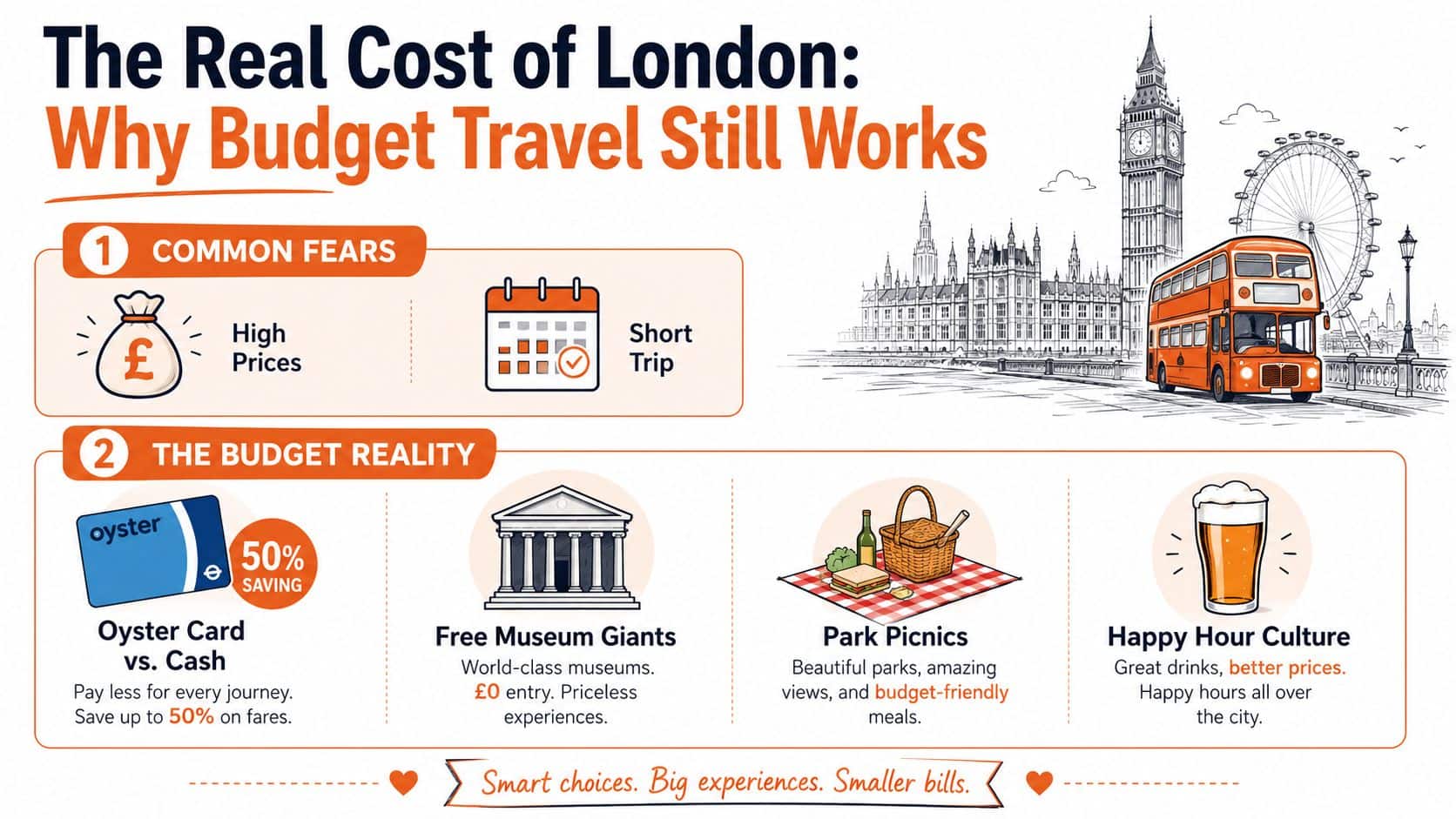
Understanding London's True Cost and Why Budget Travel Still Works
London feels expensive because several charges arrive together. You pay to enter the country, reach the city, sleep somewhere practical, eat throughout the day and choose which attractions deserve a ticket. Free museums help, but they do not explain the full cost of a short visit.
For eligible non-visa visitors from outside the UK, the Electronic Travel Authorisation adds a non-refundable £10 fee, as reported in this London travel cost guide. Add airport transport and the trip's starting cost is already higher than the flight price suggests.
Make the decisions before landing
Flight timing affects the total, but chasing the absolute lowest fare can backfire. Compare dates, consider arriving midweek and include transfer costs, inconvenient arrival times and any extra night required by a late flight.
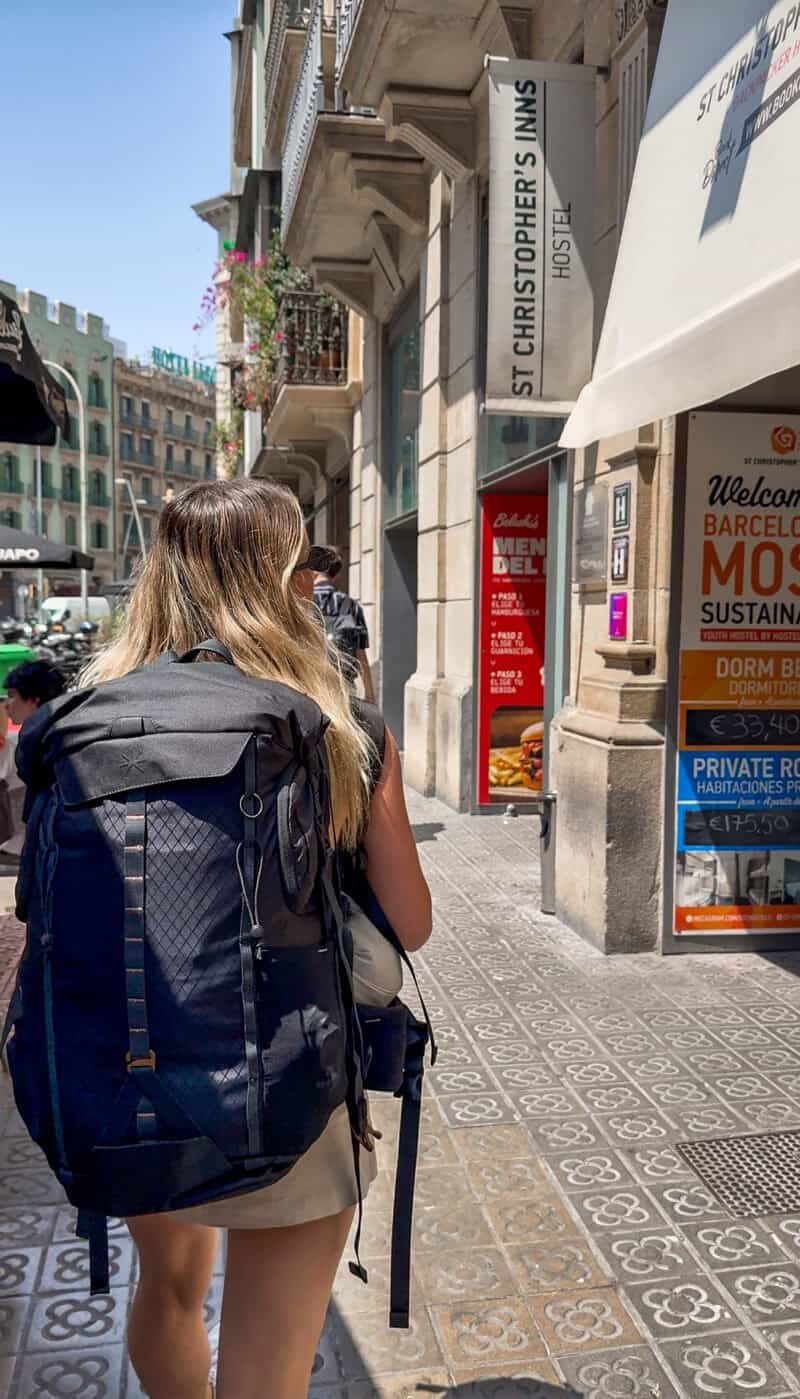
Accommodation creates the same trap. A room outside central London may look cheaper until you add longer journeys, extra fares and the time lost crossing the city. I would choose a reasonably priced central hostel instead. It can cost more on the booking page, then save money through shorter trips, more walking and an on-site place to eat or meet other travellers.
Booking direct can improve the overall value. St Christopher's lists at least 5% off the best online rate, no deposit, free cancellation, a free welcome drink and 25% off food at the bars throughout your stay in its direct booking information. The saving depends on what you order, but a food discount matters more when you plan to eat at the hostel regularly.
My rule: compare the full stay, not just the bed price. Count transport, cancellation flexibility, meals, booking benefits and the time needed to reach the sights.
Build the trip around one clear spending choice. A free cultural day can combine museums, parks, markets and riverside walks. Alternatively, pay for one flagship attraction and keep the rest of that day free. Repeated admissions are where a controlled budget starts to slip, because each ticket seems affordable on its own.
Before confirming plans, check:
Entry requirements: Confirm whether the £10 ETA applies to you and remember that it's non-refundable.
Location: Compare the accommodation with the neighbourhoods you plan to visit.
Cancellation: Pay for flexibility if your itinerary is still changing.
Food value: Check whether direct booking includes a useful dining benefit.
Transport: Use one Oyster or contactless payment method consistently.
For arrival options, use this guide to the cheapest ways to travel to London. Budget travel works here when you price the whole trip before departure, then spend deliberately on the parts you will remember.
Getting Around London Without Burning Through Cash
Choose one contactless card, phone or Oyster card and use it for every eligible journey. TfL applies caps automatically, but switching between payment methods can prevent your trips from counting together.
Buses and trams suit short sightseeing hops, especially when you are crossing only a small part of central London. The PAYG fare is £1.75, with a daily cap of £5.25 and a Monday-to-Sunday weekly cap of £24.70, according to TfL's 2026 bus and tram fares. TfL says these fares are frozen until July 2026, even though the 2026 package raises fares overall.
Tube and rail journeys cost more, particularly across a wide zone range or during peak periods. Peak times run on weekdays from 06:30 to 09:30 and 16:00 to 19:00. A Zone 1 single costs £3.10 peak and £3.00 off-peak, while a Zones 1 to 6 journey costs £5.90 peak and £4.00 off-peak, as shown in TfL's Tube and rail fares.
The caps that matter
Mode or zone
Daily cap
Weekly cap
Single fare example
Bus and tram
£5.25
£24.70
£1.75
Zones 1 to 2
£8.90
£44.70
Zone 1, £3.00 off-peak
Zones 1 to 3
£10.50
Not listed here
Varies by route and time
Zones 1 to 6
£16.30
Not listed here
£4.00 off-peak
The daily cap runs from 04:30 to 04:29 the following day. The weekly cap runs from Monday to Sunday, rather than across any rolling seven-day period. If you expect heavy travel, arriving on a Monday can therefore make a longer stay work better with the weekly limit.
My recommendation is to stay within Zones 1 and 2 where possible, travel after 09:30 and before 16:00 when your plans allow, and take buses for short journeys. Walk when the route itself offers something to see. South Bank to Covent Garden is a good example, turning a transport cost into riverside and central-London sightseeing.
Check TfL’s capping rules before departure, then keep every eligible journey on the same payment method. A phone tap in the morning and a physical card later can count as separate travel, even when both use the same bank account.
Where to Stay in London for Real Value
The cheapest bed isn’t always the cheapest base. For a solo traveller in their twenties or older, a central hostel with clean facilities, social space and a reliable place to eat often beats a cheaper room that leaves you paying for long journeys every day.
I’d prioritise location over a marginal room-rate difference. Staying near the centre lets you walk between sights, return briefly to drop off shopping, and avoid turning each evening into another cross-city trip. It also makes spontaneous plans easier, which matters when you’re travelling alone and don’t want every hour locked into a spreadsheet.
Choose atmosphere as well as access
A social property solves two practical problems at once. You get somewhere convenient to meet people, and you don’t need to spend every evening searching for a bar where you feel comfortable arriving alone.
St Christopher’s has multiple London properties, including venues connected with The Flying Horse and St Christopher’s Pub, while Belushi’s operates at some properties with a sports-bar atmosphere for match nights. The useful distinction is the setting. Traditional pubs suit a quieter London evening, while Belushi’s works when you want a livelier room and an easy conversation starter.
Book direct if the included benefits fit your plans. The combination of at least 5% off the best online rate, no deposit, free cancellation, a welcome drink and 25% off food can be more useful than chasing a lower headline price elsewhere. Treat those extras as part of the accommodation cost, not as advertising decoration.
Read this guide to where to stay in London and choose the property based on your itinerary. If you’re spending most of your time around central landmarks, don’t save a little on the room only to spend it back on transport and convenience.
Free and Low-Cost Things to Do in London
The best free London days are organised by neighbourhood. Pick one cluster, stay there for several hours and let the walking between places become part of the experience.
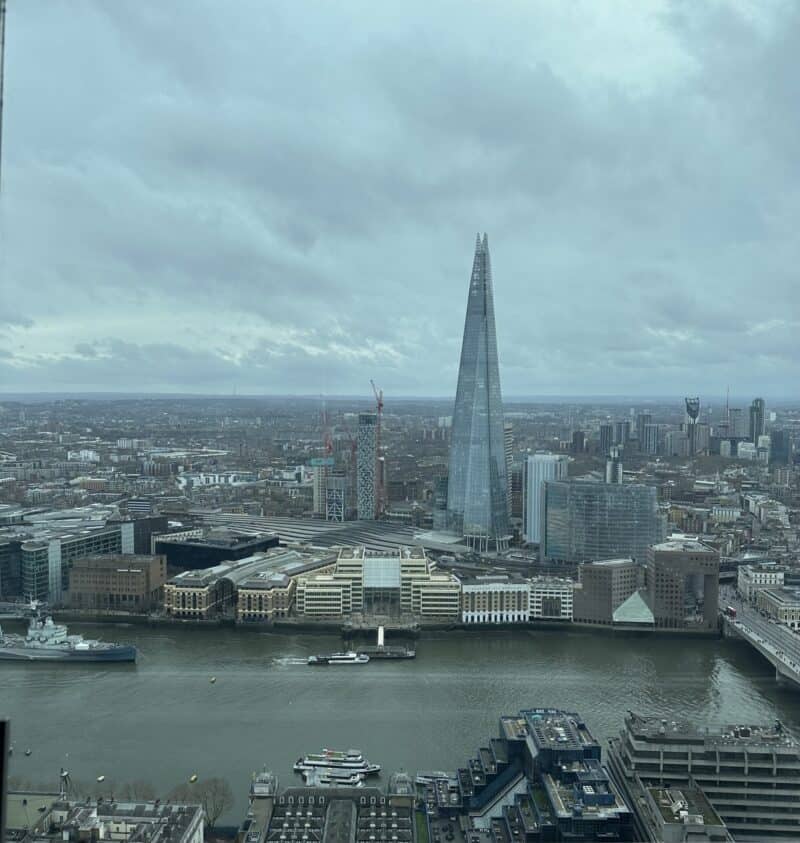
Start on the South Bank. Follow the Thames, watch performers, cross Millennium Bridge and visit Tate Modern’s free permanent collection before looking across to St Paul’s. This is one of the city’s strongest sightseeing loops because the river provides the route and the views keep changing.
For a more traditional museum day, pair the British Museum with Bloomsbury. The permanent collection is free, and you can continue through Russell Square gardens towards the British Library. You’ll spend money only if you choose a special exhibition or stop for food.
Build days around one area
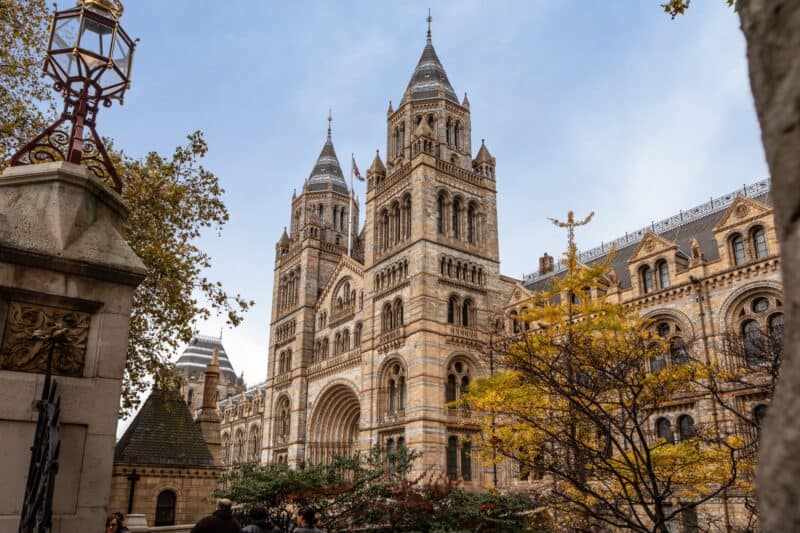
South Kensington gives you the Natural History Museum, the Science Museum and the V&A within a compact museum cluster. Their permanent collections are free, though special exhibitions may charge and popular timed areas can require planning.
Greenwich works as another self-contained day. Walk through Greenwich Park, see the outside of the Royal Observatory area, explore the maritime surroundings and wander the market. Hyde Park, Regent’s Park and Hampstead Heath offer the same principle on a larger scale, with long walks, open views and no admission requirement.
Markets are free to enter, but don’t confuse free entry with free browsing. Borough Market, Camden Market, Portobello Road and Columbia Road are excellent for atmosphere, yet food purchases can quickly become the day’s main expense. Set a food limit before you arrive, then choose one thing you want rather than grazing constantly.
Walking the Thames, listening to street performers and people-watching in Soho cost nothing. Those are often the moments you remember more clearly than a paid viewpoint.
When to Pay and What to Pay For
Don’t build your London plan around the fantasy that every worthwhile attraction is free. London offers outstanding free cultural days, but paid admissions are common, and the question is how many paid stops you can add before the day stops feeling affordable.
The Mayor of London’s July 2026 museum data puts the median adult admission charge in London at £12, compared with £8 across England, as shown in the Museums in London July 2026 data. That gives you a useful benchmark. A paid attraction around that level may be reasonable, while several admissions in one day deserve deliberate planning.
Pick one paid anchor
Choose the attraction that matches your reason for visiting.
History fan: The Tower of London is the obvious splurge if royal history and the city’s medieval story matter to you. Don’t pay for it only because it’s famous.
Transport enthusiast: London Transport Museum is more focused and interactive, with an adult ticket of £24.50 and unlimited repeat visits for a year, according to the Mayor’s museum data. That annual value won’t help much on a single-day visit, but it can make sense for a longer stay or return trip.
City views: Sky Garden offers a free viewpoint, but you need to book ahead. It’s a good example of planning replacing spending.
Theatre lover: Look for same-day West End availability through the TKTS booth rather than deciding that a show is automatically outside a budget.
My preferred pattern is one paid anchor per day, surrounded by free walks, public spaces and permanent museum collections. You get a memorable indoor experience without turning the entire itinerary into ticket collection.
Eat economically without eating sadly
Breakfast is easiest through a supermarket or Pret, especially if you’re eating outside the busiest breakfast window. For lunch, market stalls and pub offers can work well, with a practical lunch range of around £10 to £15 depending on what you choose. Brick Lane curry houses, Chinatown and dependable pizza-and-pasta places can cover dinner without requiring a formal restaurant budget.
The £5 to £8 meal is useful when you find it, but don’t assume every venue in those areas will match it. Check the menu before sitting down, avoid ordering drinks automatically, and use a supermarket meal or ready-to-eat option when the day has already included a paid attraction.
Solo travellers face another cost that standard budget guides miss. Eating alone every night can push you towards overpriced convenience food, while social plans often mean paying for drinks in unfamiliar places. An on-site bar gives you a reliable place to start the evening, meet people and decide what to do next.
Belushi’s suits a lively match-night atmosphere at relevant St Christopher’s properties, while The Flying Horse and St Christopher’s Pub provide traditional London pub settings at other London properties. You don’t have to leave the hostel to find a social room where locals and travellers mix, and that convenience can make a modest drink budget easier to control.
Expect London drinks to vary by venue and neighbourhood. Order deliberately, take advantage of any direct-booking food benefit, and remember that a social evening doesn’t need to become a West End bar crawl.
Sample One-Day and Three-Day London Itineraries
The most useful budget itinerary is compact. You want a route that feels full, not a checklist that forces you to cross London repeatedly.
One day in classic central London
Morning: Start at the British Museum and focus on the galleries you care about. Walk through Bloomsbury afterwards rather than immediately taking the Tube.
Afternoon: Head towards Borough Market for lunch, then follow the Thames along the South Bank. Continue to Tate Modern and Millennium Bridge, keeping the route on foot where practical.
Evening: Watch the light change around Tower Bridge, then return to a central pub or hostel bar. Make the paid attraction the day’s one deliberate splurge, rather than adding several smaller tickets.
For a realistic spend, allow the relevant central transport cap, supermarket or market meals, and one admission around the London museum median. Your total will depend on where you stay, what you eat and whether your chosen attraction costs more than that benchmark, so use the cap and meal choices as controls rather than promising yourself a fixed total.
Three days with more breathing room
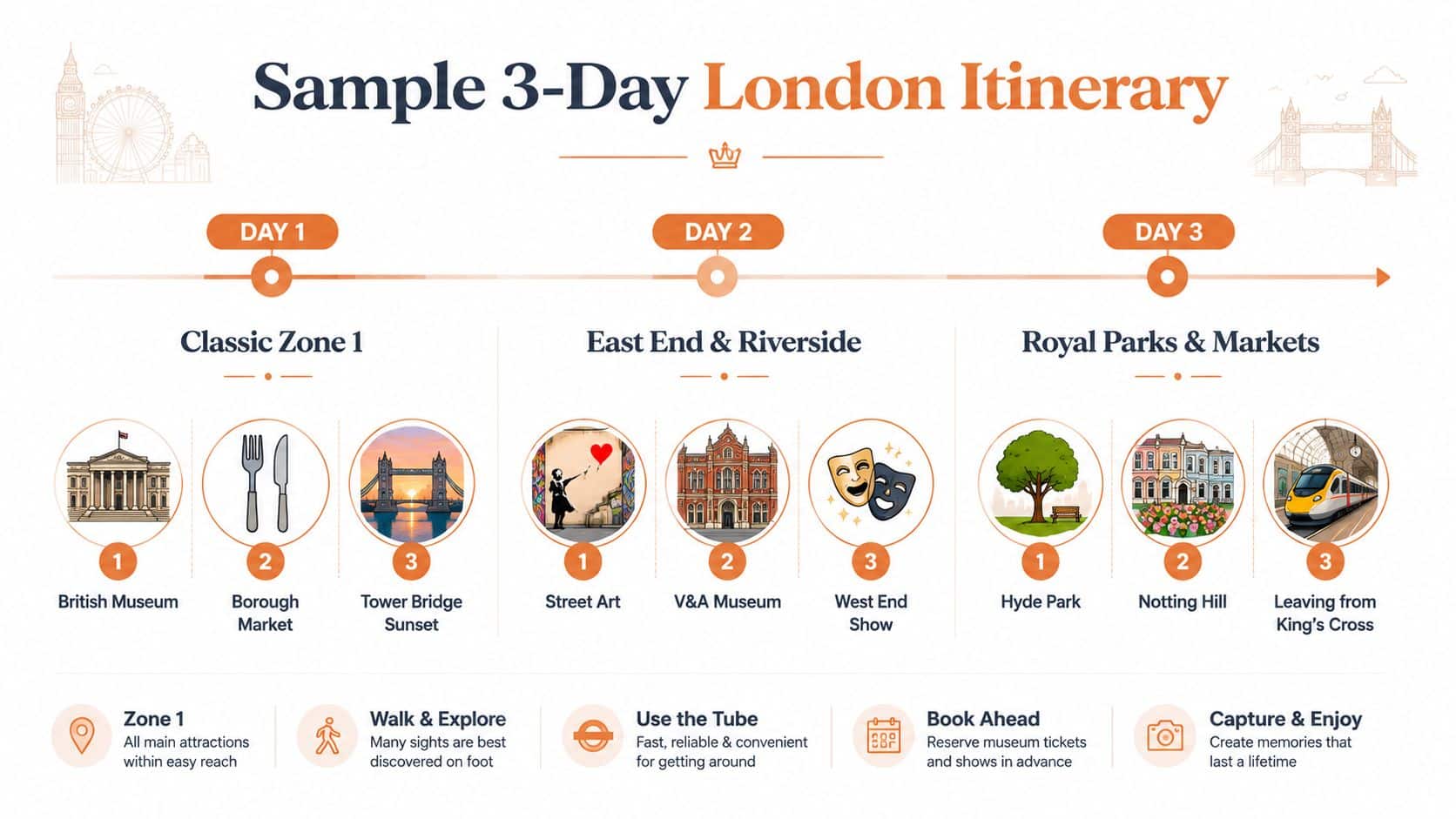
Day one, central classics: Use the British Museum, Borough Market, the South Bank and Tower Bridge. Keep the evening social and local rather than booking an expensive club.
Day two, South Kensington and the East End: Visit one of the free permanent collections at the V&A, Natural History Museum or Science Museum in the morning. Spend the afternoon around Brick Lane and Spitalfields, looking at street art and markets before choosing dinner.
Day three, Greenwich and the parks: Reach Greenwich by DLR or Uber Boat, walk through the park and explore the maritime area. Return for Hyde Park or Notting Hill, then finish near your accommodation rather than spending the final evening travelling across the city.
The three-day version works because each day has a clear geographic centre. Transport stays manageable, walking fills the gaps, and paid attractions remain deliberate rather than accidental.
Safety, Scams and Smart Packing for a London Trip
Safety belongs in the budget plan. A stolen phone, lost wallet or blocked bank card can wipe out several days of careful spending.
Watch for bogus charity clipboard approaches, unlicensed taxis and distraction thefts on crowded Tube platforms. If someone creates confusion around your phone or asks you to locate a friend, keep moving instead of joining the conversation.
Protect your essentials
Carry a spare card: Keep it separate from your main wallet.
Use a locker: Store valuables in your hostel locker, not loose in a dorm.
Record your IMEI: Save your phone’s IMEI somewhere accessible if it disappears.
Use licensed taxis: Book through an official service, or take public transport instead of accepting an unsolicited ride.
Keep your daypack closed: Crowded stations and markets reward simple precautions.
Pack for walking and changeable weather. A refillable water bottle limits impulse purchases. Bring a compact umbrella, comfortable shoes, UK adaptor and slim daypack so a sudden change does not force an emergency buy.
Your final budget choice is behavioural. Pay for the one attraction you will remember, walk through neighbourhoods that interest you, and use a central social base when you want company. Planning protects your money better than refusing every treat.
St Christopher’s offers central London properties with clean dorms and private rooms, social spaces, and nearby venues including Belushi’s, The Flying Horse and St Christopher’s Pub. Book direct through St Christopher’s for available direct-booking benefits, including free cancellation, a welcome drink and 25% off food, then spend the saved time and money exploring London.
Our direct rates are guaranteed to be at least 5% cheaper than anywhere else online, with a free drink on arrival, 25% off food at the bar, and free cancellation options available.