You’ve just arrived in Berlin with a backpack, a phone battery you’re already worrying about, and that familiar solo-travel question...
Share This Article
You’ve just arrived in Berlin with a backpack, a phone battery you’re already worrying about, and that familiar solo-travel question in your head. Do you spend the next couple of days ticking off famous sights, or do you build a trip that feels like Berlin? The good news is you don’t need a massive budget to do the second one well.
Berlin suits travellers who stay flexible. Some of the best hours here cost very little, or nothing at all. You can walk between major landmarks, sit in big public spaces without paying for the privilege, dip into serious history, eat well in neighbourhood spots instead of tourist strips, and still leave room for a proper night out. That matters in a city where the obvious route can get expensive fast if you keep bouncing between scattered sights without a plan.
Berlin also rewards combinations. Museum-heavy mornings work well with long afternoon walks. Street art and market food fit naturally together. Big memorial sites are often better balanced with a park, a riverside stroll, or an easy social evening. For solo travellers, that mix helps a lot. You’re less likely to hit the wall by mid-afternoon, and more likely to meet people naturally when your day isn’t overpacked.
Here’s how to make Berlin feel bigger, smarter and more affordable.
1. Museum Island (Museumsinsel)
If you like culture but hate wasting time zigzagging across a city, start here. Museum Island is one of the easiest wins in Berlin because it gives you several major museums in one walkable pocket of Mitte. It’s also a UNESCO World Heritage Site, inscribed in 1999, with five museums built between 1824 and 1930, which tells you a lot about why this part of the city feels so substantial before you’ve even gone inside anything.
The practical advantage is simple. You can give this area half a day, a full day, or just a slow morning, and it still works. If your energy drops after one museum, you haven’t blown your whole plan because the setting itself is worth the time. The riverside, the cathedral views, the bridges and Lustgarten all make it easy to pause without feeling like you’ve stopped sightseeing.
How to do it without museum fatigue
Start early if you can. Berlin’s big sites get busier as the day goes on, and Museum Island is much more enjoyable when you’re not shuffling in a crowd.
A route that works well is one museum first, then a break outside, then another museum only if you still feel interested. Solo travellers often overestimate their museum stamina. Two focused visits usually beat five rushed ones.
Go on a weekday: You’ll usually get a calmer experience than on a weekend.
Use the outdoor gaps well: Lustgarten and the Spree-side paths are ideal between indoor visits.
Pair it with nearby old Berlin: Nikolaiviertel makes a good low-effort add-on if you want more walking and less reading.
Practical rule: Don’t force all five museums in one day unless museums are the main reason you came to Berlin.
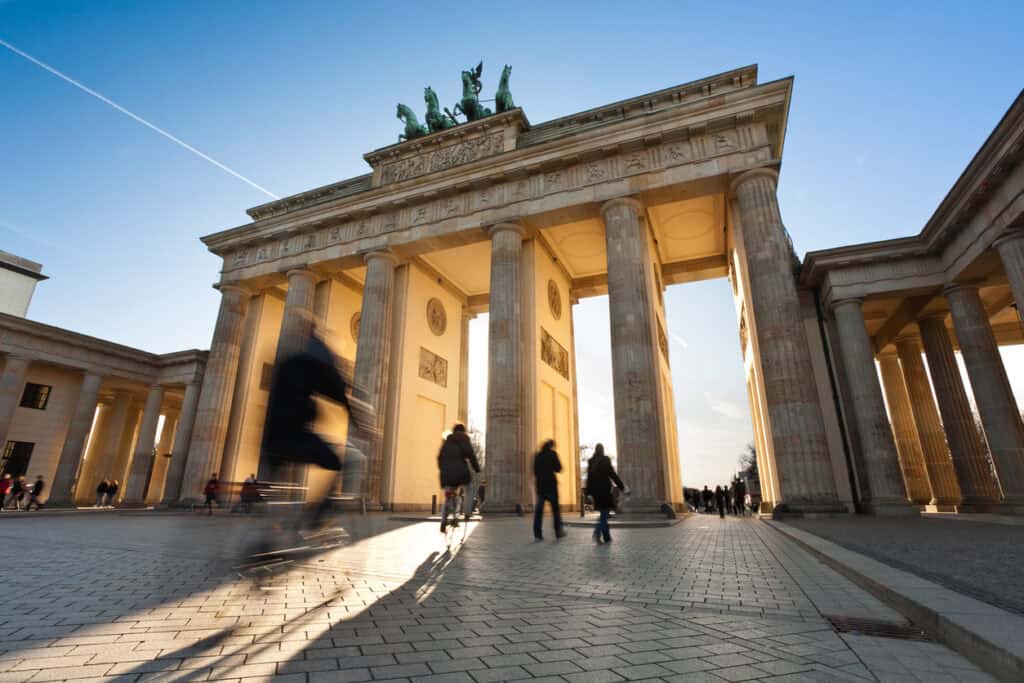
2. Brandenburg Gate and Reichstag Building
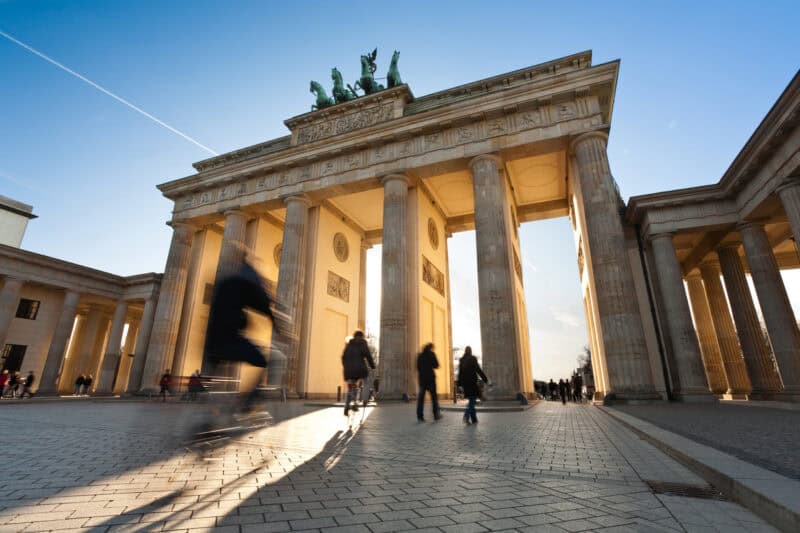
Some landmarks are famous for a reason, and Brandenburg Gate is one of them. It’s touristy, yes, but it still earns its place because it’s one of those rare spots where Berlin’s history, symbolism and city layout all come together in one glance. You can stand there and immediately understand how much of the city’s story turns on division, power and reunification.
The Reichstag is the stronger visit of the two if you want something that feels more substantial. From the outside it’s imposing. Inside, the dome visit gives the whole area more meaning because you stop looking at Berlin as disconnected sights and start seeing how the centre fits together.
Best way to time this area
Early morning is best for Brandenburg Gate if you want photos without a sea of people in the background. Late evening is also good, especially if you like city landmarks when they feel a bit quieter and less performative.
For the Reichstag, reserve ahead as soon as your dates are fixed. That’s the difference between “great, I’ve got a sunset slot” and “annoying, I’m staring at the building from outside”.
A very workable combination is Brandenburg Gate, Reichstag, the Holocaust Memorial, then a long walk into Tiergarten. That gives you one of Berlin’s most important historic zones without spending the whole day queueing.
Book the Reichstag early: Leave this too late and your preferred slot may go.
Keep your expectations straight: Brandenburg Gate is more about presence than long dwell time.
Add a decompression walk: Tiergarten helps after heavier historical stops.
The mistake here isn’t visiting these places. It’s rushing through them in the middle of the day, taking one photo, and moving on without context.
If you’re travelling solo, this is also one of the easiest places to join a walking tour or just strike up a conversation with other travellers nearby. Berlin’s central historic core has that advantage. People linger.
3. East Side Gallery (Remains of the Berlin Wall)
If you only see one surviving stretch of the Berlin Wall, make it this one. The East Side Gallery has more atmosphere than a museum label ever could because you’re looking at a real fragment of a divided city that now carries layer upon layer of public art. It’s one of the few Berlin sights that feels both historical and very current.
It’s best done as a proper walk, not a quick stop for one mural and out. Give yourself time to move slowly, look properly, and read the mood of the place. Early morning is best if you want photos and space. Later in the day it gets busier, and some of the reflective feeling disappears.
The area also works well because it opens out into a broader Friedrichshain afternoon. Once you’ve done the wall, you can keep going into cafés, riverside stretches, vintage shops or RAW-Gelände if you want a more alternative feel. If you want more context before you go, St Christopher’s has a useful Berlin Wall guide for solo travellers.
Make it part of a bigger east Berlin afternoon
This isn’t the kind of sight where you need a rigid plan. What helps more is pairing it with nearby neighbourhood wandering.
A good approach is wall first, coffee second, then either keep things reflective with a riverside walk or switch gears and head into Berlin’s grittier creative spaces. That balance usually works better than stacking too many heavy history stops back to back.
Allow proper walking time: Rushing this misses the point.
Go early for photos: The artwork reads better when you’re not dodging groups.
Keep exploring afterwards: Friedrichshain is part of the experience, not just the backdrop.
4. Checkpoint Charlie and Cold War History
Checkpoint Charlie matters more as a symbol than as a stand-alone attraction. That’s the honest version. If you arrive expecting a powerful preserved border crossing, you may feel underwhelmed. If you arrive understanding that the checkpoint itself is only one piece of Berlin’s Cold War history, it becomes much more worthwhile.
The free part is often enough. See the site, take in the location, then keep moving. The better use of your time is the wider walk around the area, especially if you’re interested in how Berlin handles difficult history in public space.
Don’t get stuck in the most commercial bit
This part of Berlin can be a bit of a trap. The checkpoint draws crowds, souvenir stands and overpriced food, but the surrounding area contains far more substance if you walk with purpose.
Topography of Terror is the obvious nearby anchor and one of the best-value history stops in the city because it gives serious context without forcing you into a polished tourist experience. From there, you can continue into other central memorial areas or head south-west towards calmer streets.
See the checkpoint briefly: It doesn’t need half your day.
Skip the staged tourist extras: They rarely add much.
Walk to somewhere better for lunch: Kreuzberg is a smarter move than eating right by the checkpoint.
Go for the history, not for the photo op.
This is one of those Berlin stops where realism helps. The site is important. The immediate atmosphere around it is less moving than people expect. That doesn’t make it a bad stop. It just means you should build the day around the broader Cold War and twentieth-century story, not around one reconstructed booth.
5. Kreuzberg and Friedrichshain Street Art Tours
Get off the U-Bahn at Schlesisches Tor or Warschauer Straße and Berlin immediately feels less polished and more itself. Roller shutters turn into canvases, underpasses fill with paste-ups, and a simple walk for coffee can become half a day of murals, cheap eats and people-watching.
For solo travellers, that matters. These are two of the easiest areas in Berlin to enjoy without a fixed plan, and one of the cheapest ways to feel plugged into the city. You do not need to book anything, and you do not need a formal tour unless you want the historical context behind specific pieces.
Kreuzberg usually works better in the daytime. Start around Görlitzer Bahnhof or Kottbusser Tor, wander towards the Landwehr Canal, then stop wherever looks busy and affordable. You get more day-to-day Berlin here. Turkish bakeries, late lunch spots, courtyard bars, second-hand shops, graffiti-covered side streets. It is sociable without asking much of you.
Friedrichshain makes more sense if you want a rougher, more nightlife-adjacent version of the same energy. The stretch around RAW-Gelände is the obvious draw, but it is best treated as part of a wider walk rather than the whole plan. Some people love the industrial chaos. Others find it a bit too performatively edgy by daylight.
A simple rule helps. Pick one neighbourhood properly instead of rushing both.
If you have four or five hours, Kreuzberg is the easier budget choice. Grab a gözleme, döner or falafel for well under what you would pay in the centre, walk east or west without overthinking it, and keep an eye out for courtyards and canal-side seating. If you want a natural way to meet people, shared tables at casual food spots and early evening bars do more work here than any organised social activity.
If you have longer, pair them. Start in Kreuzberg for the better daytime rhythm, then cross into Friedrichshain later for bigger murals, RAW-Gelände and a more obvious pre-night-out crowd.
A route that works well is:
Kreuzberg first: Start near Kottbusser Tor or Görlitzer Bahnhof and walk towards the canal.
Eat on the move: Snack bars, bakeries and takeaway counters keep costs low and fit the area better than a sit-down lunch.
Cross over later: Head towards Oberbaumbrücke and continue into Friedrichshain on foot.
Finish around RAW-Gelände or Boxhagener Platz: Choose RAW for grittier energy, Boxi for cafés, bars and an easier solo finish.
Street art changes fast here, which is part of the point. Go expecting atmosphere rather than a checklist of famous walls, and these neighbourhoods usually deliver more than a formal attraction ever could.
6. Berlin Nightlife and Club Scene
You can have three very different Berlin nights for the price of one bad tourist night. A couple of späti beers by the canal, a bar crawl that turns into dancing, or a serious club attempt with a queue, door policy and sunrise finish. The right choice depends on your budget, your energy and how much uncertainty you enjoy.
Berlin rewards patience. Heading out at 8pm and expecting the main event rarely works well here. For solo travellers, the better rhythm is simple: start somewhere easy, chat to people, then decide whether the night needs a club at all.
You can get a drink, work out who is going to Kreuzberg or Friedrichshain, and avoid the classic mistake of spending money on taxis and cover charges before the night has properly started. If you want venue ideas before you commit, this guide to the best clubs in Berlin gives a useful neighbourhood-by-neighbourhood overview.
A practical way to choose is to match the night to the budget:
If you want the cheapest good night: stay flexible. Buy drinks from a späti, start in a busy bar area such as Kreuzberg or around Boxhagener Platz, and follow the atmosphere. You will spend less, meet people more naturally, and avoid paying for a club you are not that bothered about.
If you want the classic Berlin club try: keep the whole evening light. Wear simple clothes, carry ID, and do not build the night around one famous door. Some clubs have queues, selective entry and late momentum. That can be part of the appeal, but it is a poor fit if you hate waiting or you need a guaranteed plan.
If you want music without the full club ordeal: go for bars with DJs, smaller dance floors or live music venues first. Berlin does these very well, and solo travellers often find them easier because conversation still happens.
One trade-off matters more than people admit. The bigger the name, the less control you have over the outcome. If your budget is tight, an unplanned bar night can be better value than chasing a headline club across the city and ending up back at your hostel at 2am, annoyed and out of pocket.
A simple solo-friendly formula works well:
Start with one social base, not three scattered stops.
Keep cash or card ready for transport home.
Save one nearby backup bar in Google Maps.
Treat any club entry as a bonus, not the whole point of the evening.
That mindset usually leads to a better night. Berlin nightlife is fun because it leaves room for chance, but the smart version still has a loose plan underneath it.
7. Tiergarten Park and Biking Culture
By the time Berlin starts to feel like a chain of big-ticket sights, Tiergarten is the reset that keeps the trip enjoyable. Rent a bike, cut through the park for an hour or two, and the city immediately feels less like a checklist and more like a place people live in.
I rate this highly for solo travellers because it solves two problems at once. You get a free green break, and you also get an easy, low-cost way to move between central areas without dropping underground every half hour. In Berlin, that matters. The city is spread out enough that walking everywhere can wear you down, but public transport for short hops can break the flow of the day.
A bike usually hits the sweet spot. Expect basic rentals from roughly €10 to €18 for a few hours, sometimes less with hostel deals or app-based hire. If your budget is tight, even one half-day rental can be better value than stacking paid attractions back to back.
The smartest way to use Tiergarten is as part of a route, not a destination you force into the plan. Start around Brandenburg Gate, ride into the park, loop past the broad paths and quieter corners, then head out towards areas such as Charlottenburg or back east depending on your energy. If you only want a lighter version, walk in with a takeaway lunch, sit near the water or on the lawns, and keep the afternoon loose.
A few practical trade-offs are worth knowing:
Cycling covers far more ground, but weekend paths can get busy, so it is less relaxing at peak times.
Walking costs nothing and suits a slower day, but Tiergarten is bigger than it looks on the map.
Bringing food from a supermarket or bakery keeps this stop very cheap. Buying drinks at a café in or around the park is pleasant, but the budget disappears faster than you expect.
Solo riders often find it easy to chat at rental shops, beer gardens and park stops, especially in good weather, without the pressure of a formal tour.
If your Berlin plan needs one low-cost breather between history, nightlife and museums, use Tiergarten for that job. It improves the pace of the trip, gives you a better feel for local daily life, and helps you meet people in a more natural way than another timed attraction.
8. Alternative Museums and Underground Culture Spaces
A lot of Berlin’s most interesting culture sits in places you can do in under two hours, without the queueing and museum fatigue that can creep in on a longer trip. For solo travellers, that matters. You get the substance, keep the day flexible, and leave room for the city itself.
Start by choosing your mood.
If you want a serious history stop, Topography of Terror is one of the strongest free options in Berlin. It is clear, unsettling and easy to pair with other central sights without turning the day into a marathon. The German Resistance Memorial Centre also rewards time and attention, especially if you prefer quieter, more reflective museums over headline attractions.
If you want Berlin’s rougher creative side, head to RAW-Gelände in Friedrichshain. It works better as an evening-area stop than a museum box to tick. You go for the graffiti, courtyard bars, odd little events and the general sense that something might be happening, rather than for one polished exhibit. Some nights it feels lively and social. Some nights it feels scruffier than inspiring. That is part of the trade-off.
A simple way to use this section of the city is to build a split day:
Option one: Do Topography of Terror in the afternoon, then take the U-Bahn east for a cheap dinner and a wander around RAW-Gelände later.
Option two: Visit the German Resistance Memorial Centre, then decompress with coffee or a long walk in a nearby neighbourhood instead of forcing in another heavy museum.
That mix usually works better than stacking three indoor stops back to back. Berlin rewards pacing.
Budget-wise, this part of the trip is strong value. Topography of Terror is free. Resistance Memorial costs little or nothing depending on the exhibition format. RAW-Gelände can be almost free if you are just looking around, or mildly expensive if a casual drink turns into a late one. For most solo travellers, this is one of the easier places in Berlin to meet people naturally, especially in shared tables, small event spaces and courtyard bars where conversation starts without much effort.
Some places teach you Berlin. Others let you feel how the city still argues with itself. This group does both.
9. Berlin Food Scene and Market Culture
Solo in Berlin at 1pm, hungry, and not keen to spend €22 on a forgettable lunch near a tourist site? Good. This city is easier and cheaper when you eat the way locals do: one strong market stop, one street-food meal, and one neighbourhood chosen for wandering rather than box-ticking.
The mistake is staying too close to the headline sights when you eat. Prices climb fast around Mitte, while the food often gets less interesting. Better value usually starts once you commit to a district for a few hours. Kreuzberg is the easiest place to do that. Neukölln is often cheaper. Friedrichshain works well if your day already ends east.
A practical way to handle food in Berlin is to build it into your route rather than treating meals as separate plans.
Start with Markthalle Neun if you want variety and a social setup that suits solo travellers. It is popular for a reason, but timing matters. Go at lunch or on a themed market evening and expect higher prices than a simple kebab or bowl of noodles nearby. The upside is choice, shared tables and an easy chance to chat without it feeling forced.
If the budget is tighter, skip the market hall and eat by street instead. Around Kreuzberg and Neukölln, a solid cheap meal is still realistic in the roughly €4 to €10 range, depending on whether you grab a döner, gözleme, falafel wrap or a quick plate from a small Turkish or Vietnamese spot. Sit-down places can still be good value, but Berlin rewards looking one street over from the obvious corner.
Here is the version I recommend most often:
Arrive hungry in Kreuzberg. Walk a short stretch, check a couple of menus, pick the place with local trade and quick turnover, then keep the evening flexible. That gives you a meal, a neighbourhood feel, and a decent shot at meeting people without having to book anything.
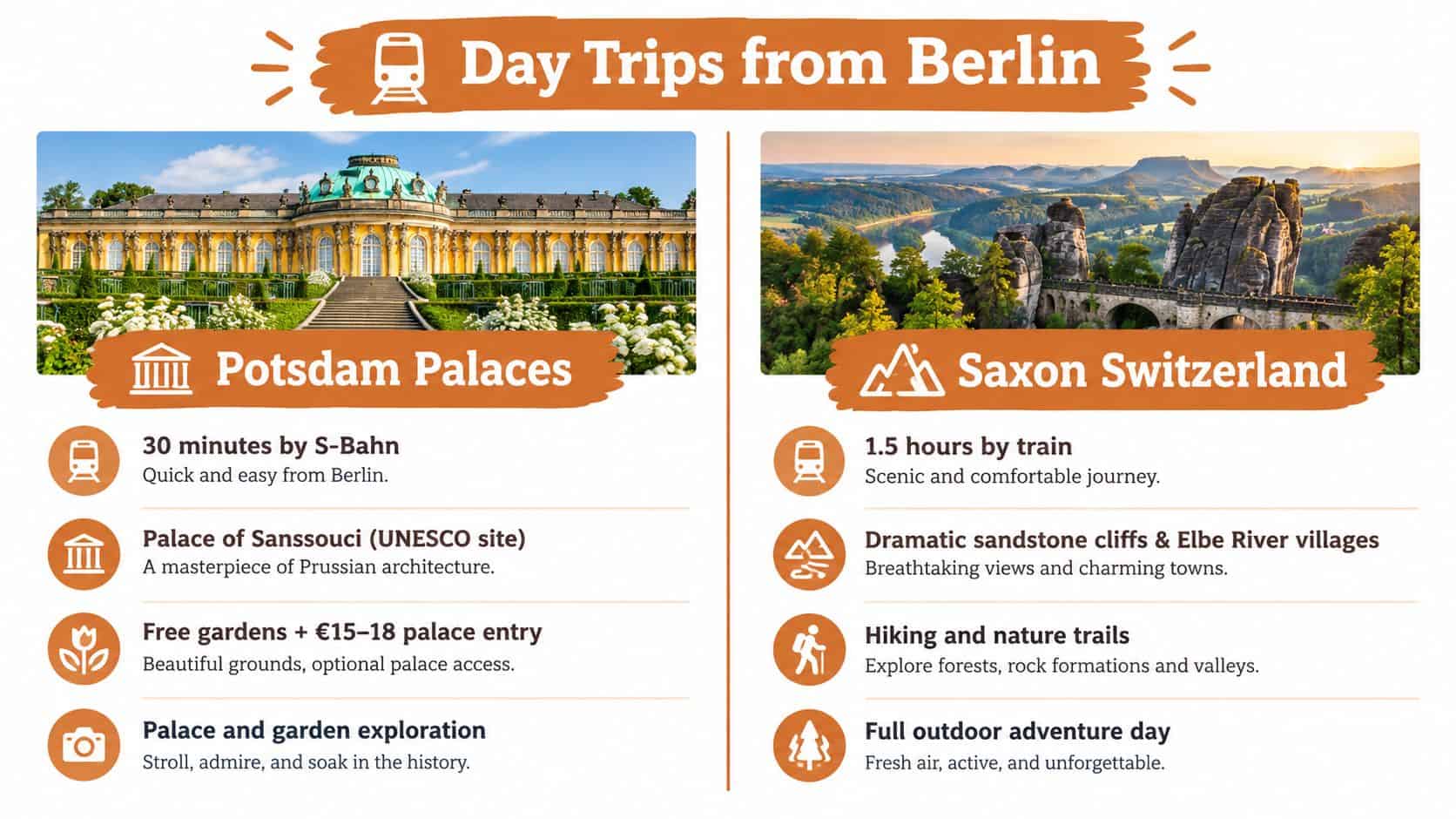
10. Day Trips from Berlin: Potsdam Palaces and Saxon Switzerland
By day three, a lot of solo travellers hit the same fork in the road. Stay in Berlin for another museum or neighbourhood wander, or get out for a day that resets the pace. If you want the low-effort, good-value option, go to Potsdam. If you want sandstone views and a proper walking day, save your energy and choose Saxon Switzerland.
Potsdam is the one I’d suggest for a first Berlin trip. The journey is simple, the sights are spread out in a manageable way, and you do not need to treat it like an expedition. Regional trains and S-Bahn connections make it easy to reach, then the rest of the day can be as cheap or as polished as you want. Bring a supermarket lunch and focus on the parkland, or pay for one palace interior and keep the rest of the day free.
Saxon Switzerland is the better pick for travellers who have had enough of pavements, traffic and city noise. It gives you cliffs, forest trails and big views, but the trade-off is time. This is an early start, a longer return, and a much less casual day if the weather turns or your train connections are slow.
A simple way to choose is to match the trip to the kind of tired you feel.
If your feet are tired but your head still wants history, take Potsdam. If Berlin has started to feel crowded and you want air, space and a reason to wear proper shoes, take Saxon Switzerland.
For solo travellers, Potsdam also wins on ease. You can drift through the Sanssouci area, join a palace tour if you fancy some company, then sit in the gardens or by the Dutch Quarter without feeling awkward on your own. Saxon Switzerland is more rewarding if you already like self-guided hiking, or if you have met a few people in your hostel and want to split the day with others.
Keep the logistics boring. That is usually what makes a day trip good.
Start early, pack water, and buy food before leaving Berlin unless you specifically want a café stop. That one habit usually saves money and stops the day turning into a search for overpriced lunch near the main sights. Berlin also works well for this style of short-break planning because so many UK travellers use it as a base city. The German National Tourist Board notes that Berlin accounted for 26.6 per cent of all UK overnight stays in Germany in 2024, or roughly 1,403,000 nights.
If you only have one spare day, I would not try to force both. Potsdam fits neatly into a one to three-day Berlin plan. Saxon Switzerland suits travellers who are happy to give the whole day over to the trip and treat Berlin as the evening base rather than the main event.
Build Your Berlin Days Around Your Budget
The easiest way to get Berlin wrong is to treat it like a race. The city’s best bits don’t always come from seeing the highest number of attractions. They come from combining the right kinds of places. A heavy history morning needs a lighter afternoon. A major museum day works better with a market dinner than another formal stop. A late night is more enjoyable when the daytime plan leaves room for it.
Two days gives you enough room to split Berlin properly. Make day one your classic centre and history day. Use day two for East Side Gallery, Friedrichshain or Kreuzberg, casual food stops and a more social evening. That combination usually suits solo travellers well because you get the major landmarks without spending the whole trip inside Berlin’s most tourist-heavy areas.
With three days, add one of two things. Either go deeper into Berlin itself with alternative museums, market eating and nightlife, or take a day trip to Potsdam for a complete change of pace. If your budget is tight, the first option often gives better value because you’ll spend less time moving around and more time enjoying the city. If you’ve already seen a lot of major European capitals, Potsdam can stop the trip from feeling too repetitive.
A few practical habits make a big difference. Reserve the Reichstag dome as early as possible. Check current museum and attraction opening times before you head out, especially in winter. Keep an eye on transport conditions rather than assuming every connection will be smooth. And carry a realistic daily budget that includes coffee stops, convenience food, one paid highlight and the odd spontaneous detour, because Berlin rewards spontaneity more than overplanning.
Central accommodation helps more here than in smaller cities. Berlin’s size means a base that cuts out extra fares and lets you reset between districts can save both money and energy.
Most of all, choose your version of Berlin. If you love history, lean into that. If you care more about neighbourhoods, food and nights out, build around those instead. The best things to do in Berlin aren’t the ones everyone else managed to cram in. They’re the ones that made the city feel personal while still keeping your budget intact.
If you want a central base that makes this kind of Berlin trip easier, St Christopher’s offers Berlin locations geared to budget-conscious solo travellers, plus social bars that make meeting people feel natural after a day out. Book direct with St Christopher’s for the practical extras, including 25% off food, a free welcome drink and flexible cancellation.
Our direct rates are guaranteed to be at least 5% cheaper than anywhere else online, with a free drink on arrival, 25% off food at the bar, and free cancellation options available.