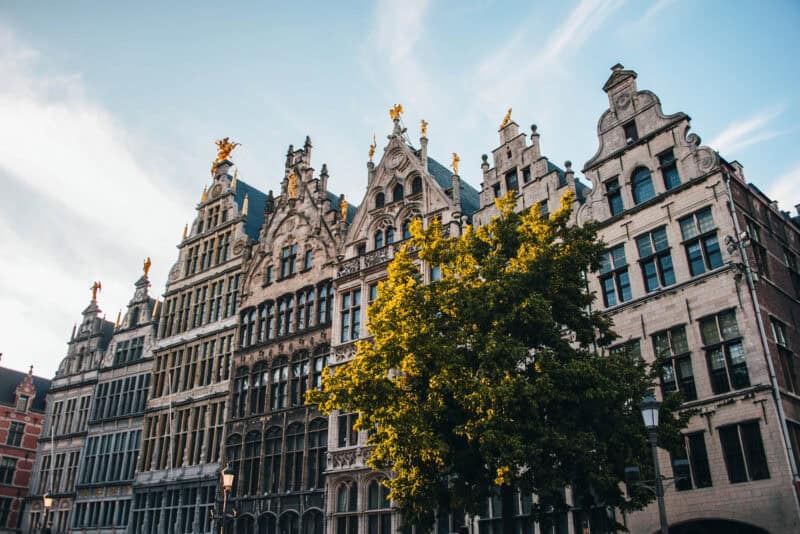
You’ve arrived in a European city alone, dropped your bag, and suddenly have a free afternoon. There’s no one else’s...
Share This Article
You’ve arrived in a European city alone, dropped your bag, and suddenly have a free afternoon. There’s no one else’s schedule to follow, but that freedom can feel awkward if the streets are hard to make your way through, restaurants feel unfriendly to solo diners, or every enjoyable activity costs more than expected.
The best feel good cities to visit in Europe make solo travel feel natural. They’re walkable, easy to reach by public transport, generous with free or low-cost pleasures, and full of places where you can meet people without forcing conversation. They also give you room to disappear for an afternoon, whether that means sitting in a café, wandering a residential neighbourhood, visiting a museum or finding a quiet view.
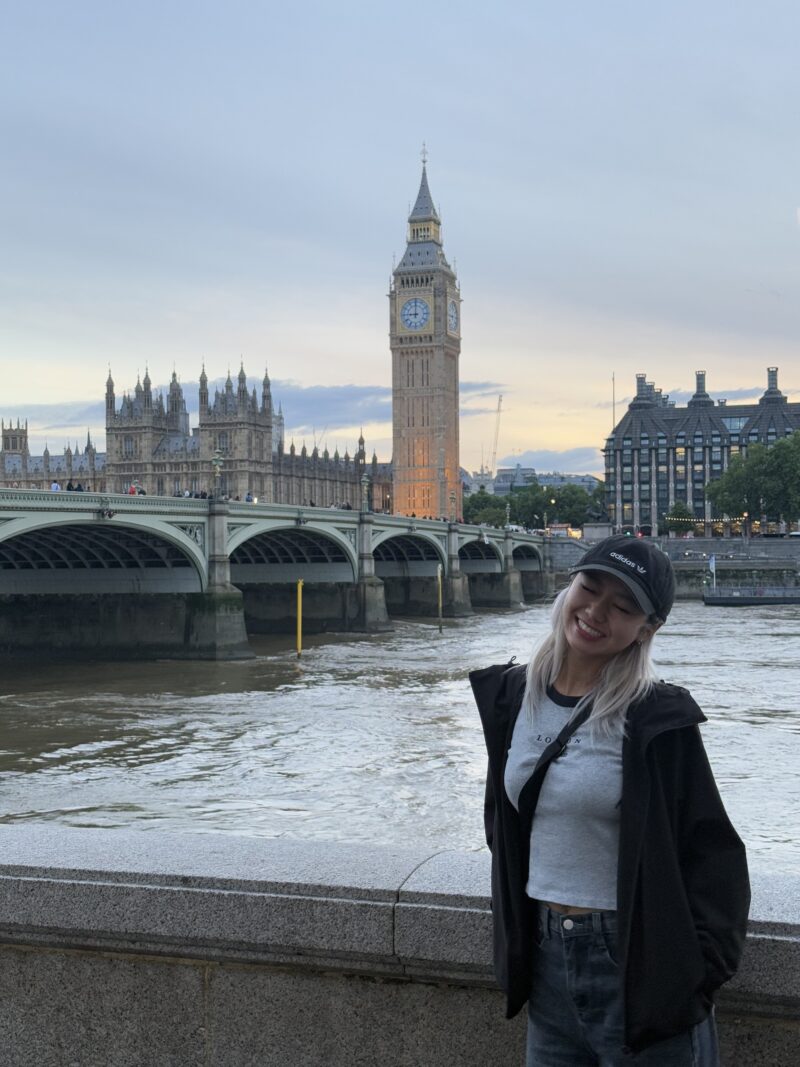
1. London Meet Fellow Wanderers in the Capital’s Beating Heart
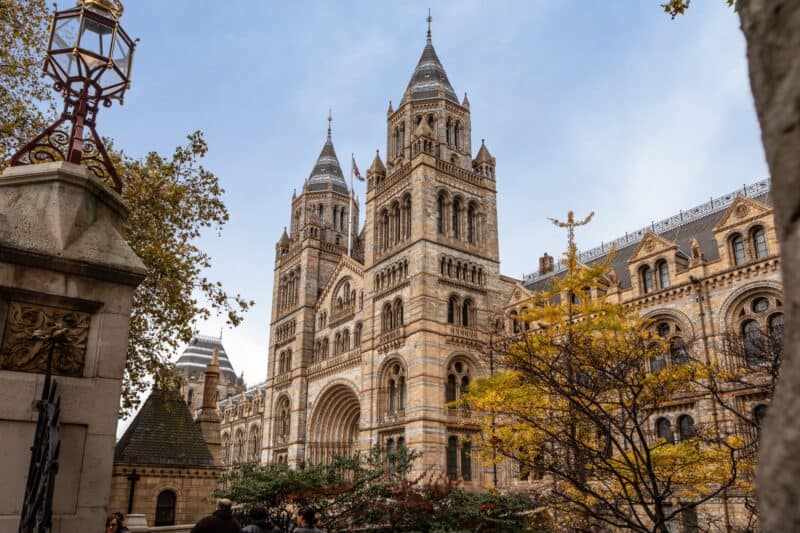
London works brilliantly when you’re travelling alone because you can build each day around one interest and still have endless alternatives nearby. Spend the morning in South Kensington’s free museums, walk towards the river, then finish with market food in Borough or Camden. The city feels vast, but the Tube connects its neighbourhoods quickly, and solo travellers can change plans without negotiating with anyone else.
London also rewards small routines. Find a neighbourhood pub, return to the same café, or take a free walking tour through an area you wouldn’t have chosen from a map. If a guide asks for a tip, give what feels appropriate for the experience rather than paying for an expensive commercial tour.
Practical rule: Get an Oyster card when you arrive and check the daily transport cap. Several journeys can work out better than buying individual tickets.
Try Borough Market for food and Greenwich for a slower afternoon. Camden brings louder energy, independent stalls and easy opportunities to chat with other travellers. Museums often accept donations rather than charging fixed admission, so you can revisit the collections that interest you instead of rushing through them.
2. Paris Art Cafés and Authentic Solo Experiences Beyond the Postcard
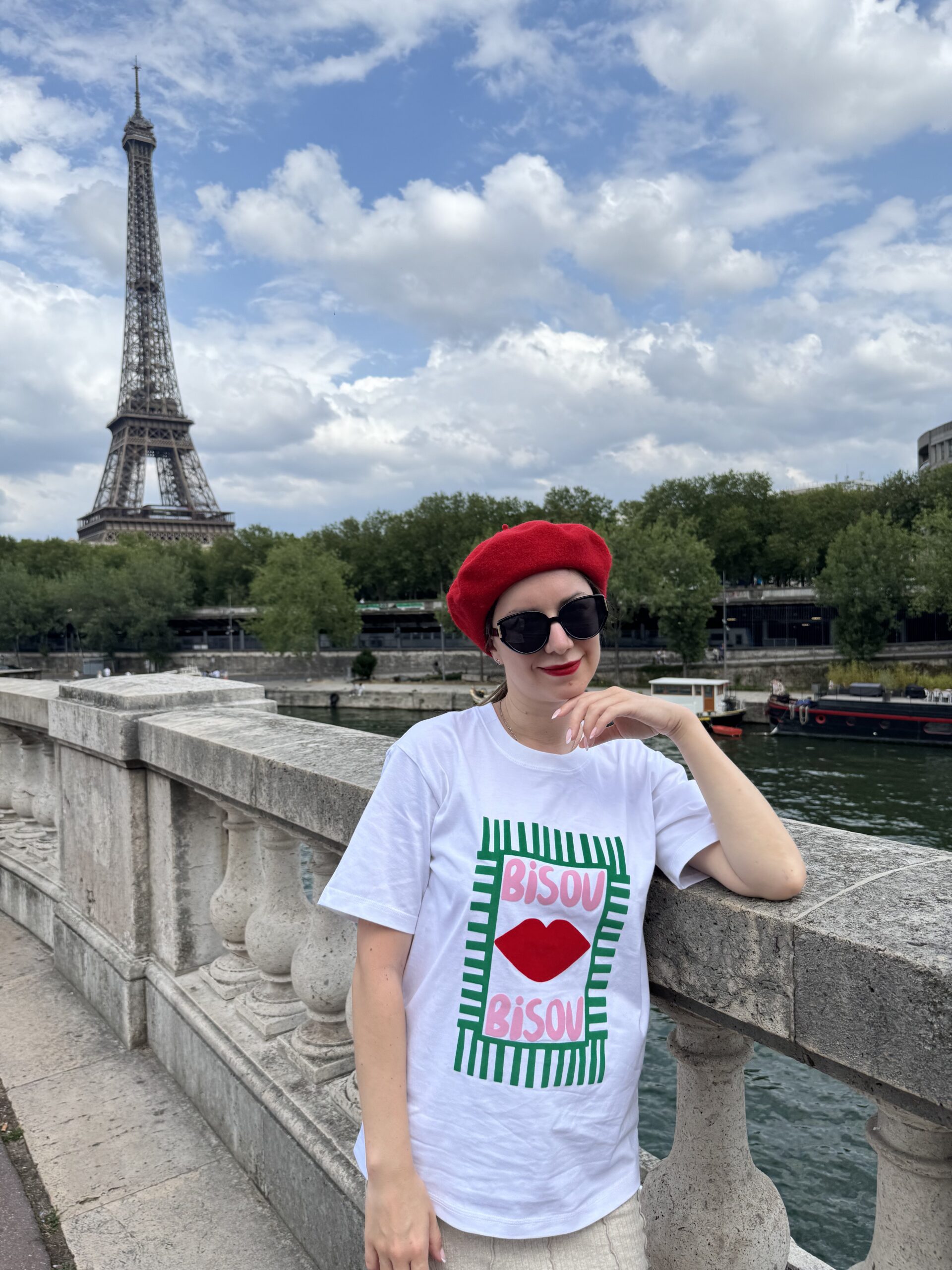
Paris is one of the easiest cities in Europe for comfortable solitude. Sitting alone in a café doesn’t look unusual, and a slow lunch can become the centre of your day rather than something you squeeze between landmarks. Start in the Marais, where independent galleries, vintage shops and the historic Jewish quarter reward unhurried wandering.
The city becomes more accessible when you eat your main meal at lunchtime. Bistro menus are often more approachable during the day, while a baguette, cheese and wine from a local shop can turn a riverside bench or park into a memorable picnic. If you’re staying in Paris in 2026, remember that the tourist tax varies sharply by accommodation category. The official schedule lists a total per adult per night of €15.93 for palace-category accommodation, €11.70 for five-star, €8.45 for four-star, €5.53 for three-star, €3.25 for two-star and €2.60 for one-star properties. Check the official Paris tourist tax schedule before you commit to a room.
Let the neighbourhood set the pace
Spend one day around Canal Saint-Martin, another exploring the Latin Quarter, and leave time for an evening walk along the Seine. A free or pay-what-you-wish neighbourhood walk gives you orientation and a low-pressure way to meet people before deciding whether you want company later.
3. Berlin Creative Energy History and Budget-Friendly Culture
Berlin suits the solo traveller who wants a city with ideas, contradictions and plenty of room to follow their curiosity. Start with the weight of history at the Wall memorial sites and East Side Gallery, then move into Kreuzberg for street art, independent food and late-night conversation. Prenzlauer Berg feels calmer and more polished, while Wedding offers a more alternative gallery and café scene.
Museum Island gives you a concentrated cultural day, and Berlin’s neighbourhood layout makes it easy to combine serious history with creative discovery. A free walking tour is a useful first step, especially if you’re travelling alone and want local context before exploring further. Tip the guide according to the value you received, then use public transport to continue independently.
Street food keeps the city accessible. A döner, currywurst or falafel wrap can be a satisfying meal when you’d rather spend your money on a museum, gig or evening out. Berlin’s cafés also make excellent solo bases. Find a table in Kreuzberg, bring a book, and return the next morning if you like the atmosphere.
Berlin feels best when you leave gaps in the itinerary. The city rewards a planned anchor, followed by several hours of wandering.
4. Amsterdam Canals Bikes and the Art of Doing Nothing Beautifully
Amsterdam is a feel-good city when you stop treating every hour as sightseeing time. Rent a bike, ride through Jordaan, pause beside a canal and let the day become less structured. Solo travel feels particularly natural here because cafés, museums and streets all accommodate people moving at their own pace.
The city centre is compact, but you’ll get a more satisfying experience beyond the busiest routes. Explore De Pijp and Oud-West for neighbourhood restaurants, small shops and a less concentrated tourist atmosphere. A simple meal away from the centre can leave more money for an attraction or a second coffee.
Amsterdam’s popularity does create practical pressure. The city recorded 23.7 million tourist overnight stays in 2025, above its legal cap of 20 million for the third consecutive year, according to recent Amsterdam tourism reporting. Book central accommodation early, reserve major museums ahead of time and visit popular sights at quieter points in the day.
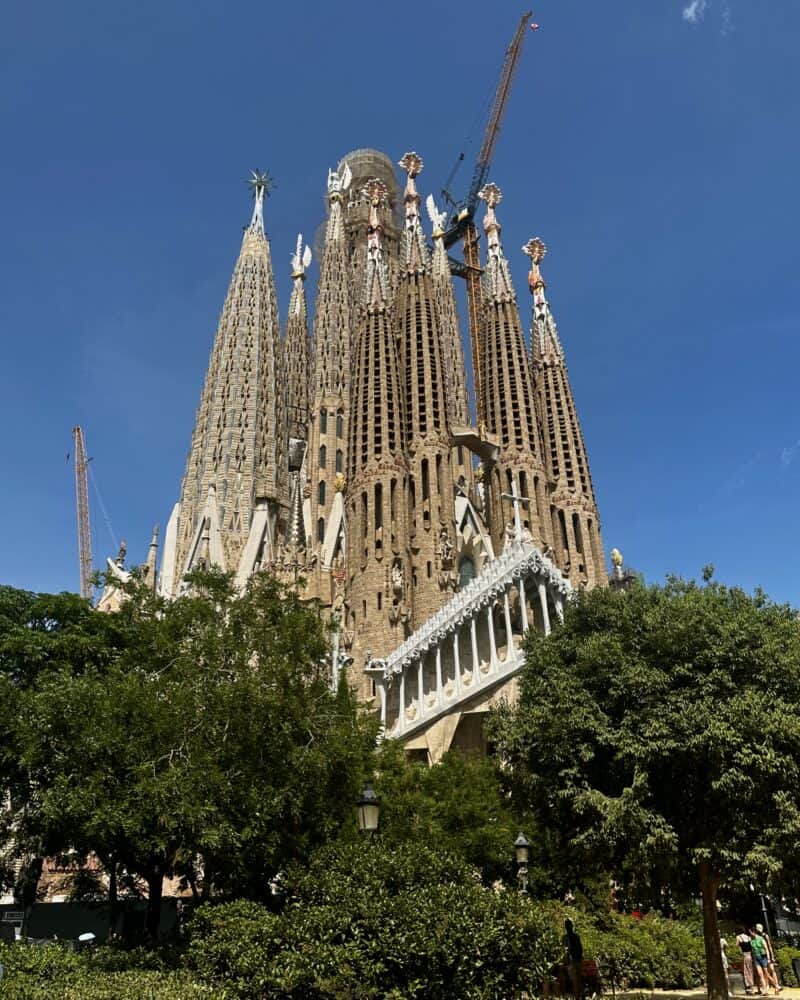
5. Barcelona Mediterranean Energy Architecture and Neighbourhood Discoveries
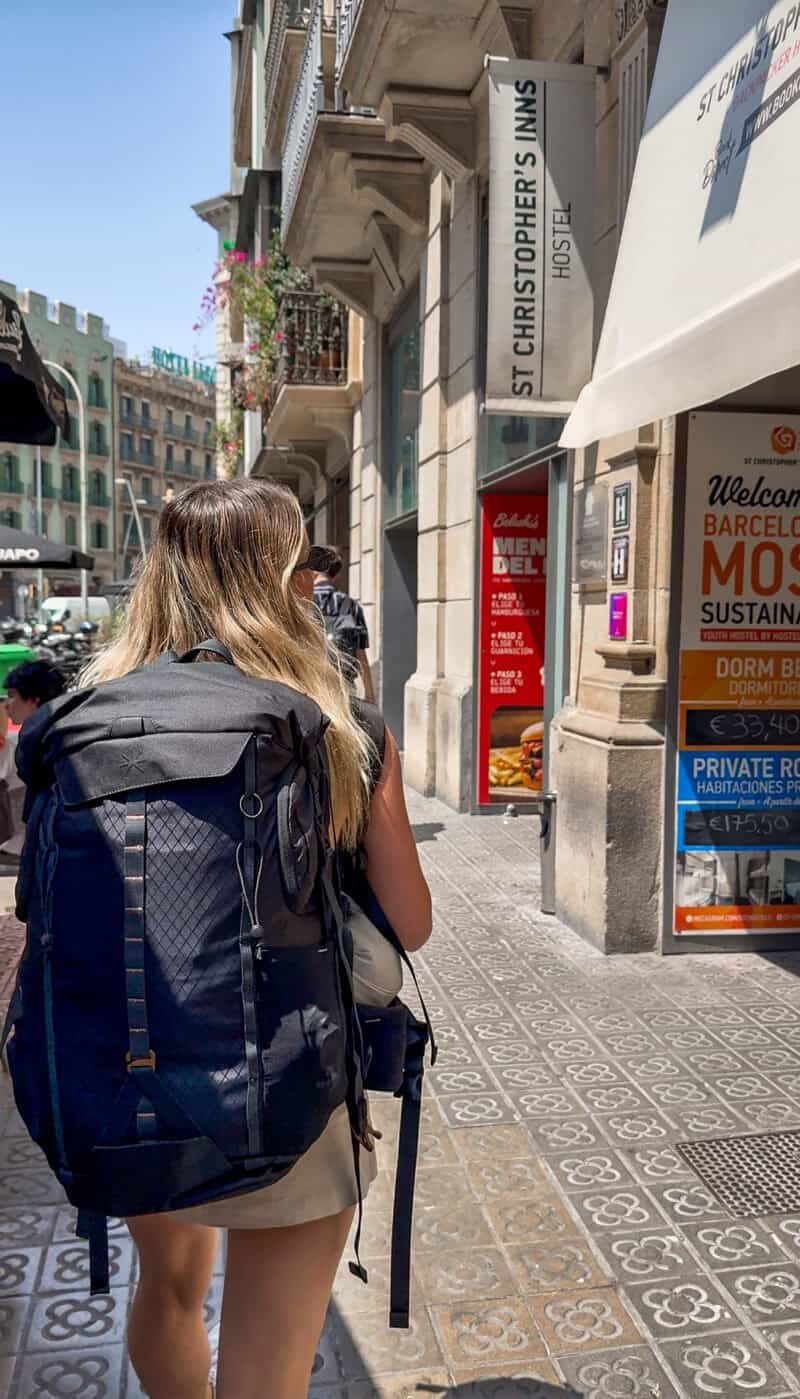
Barcelona gives solo travellers easy access to outdoor life, expressive architecture and an excellent food culture. The trick is to use Las Ramblas as a starting point, not your entire itinerary. From Las Ramblas, you can walk into the Gothic Quarter, then continue towards La Ribera, Poble Sec or Sant Antoni for a different rhythm.
Tapas make solo dining flexible. Order a few small plates, pause between them and chat with staff or nearby diners if the atmosphere invites it. You won’t have to commit to a large meal, and you can move to another neighbourhood when you’ve had enough.
Spend an afternoon in Gràcia, where local squares and independent businesses create a more residential feel. Montjuïc gives you space, views and cultural stops away from the tightest crowds. Later, take the metro towards Barceloneta, watch the light change over the sea and choose a neighbourhood restaurant rather than eating on the busiest tourist streets.
**Solo dining works best here when you eat in stages. One drink, two small plates and a change of neighbourhood can become a full evening without feeling overplanned.
Use this practical guide to getting around Barcelona before you start combining walking, metro journeys and beach time.
6. Bruges Medieval Magic Quiet Moments and Authentic Belgian Culture
Bruges is the city to choose when you want your solo trip to feel gentle and visually rich. Its medieval streets, canals and squares make navigation simple, while the centre offers enough museums, cafés and small discoveries to fill a short break without exhausting you.
Arrive at the main square early, visit the Belfry or St Bavo’s Cathedral before the busiest tour groups gather, then leave the central route. Walk towards the windmills and quieter northern streets, where the city feels more residential. A canal boat offers another perspective, but the pleasure comes from alternating structured attractions with empty stretches of cobbled lane.
Belgian beer deserves attention rather than speed. Choose one exceptional beer, ask about its style and take your time in a proper beer house. The Bauhaus occupies a historic building and includes a traditional Belgian beer house, so it’s a better fit for travellers who want local character rather than a loud sports-focused evening.
Make Bruges your slow base
A day trip to Ghent adds a lively contrast, while the Belgian coast gives you open air and a change from medieval architecture. Return to Bruges for a quiet dinner, then take a final walk beside the canals after the day visitors have gone.
7. Edinburgh Literary Heritage Dramatic Geography and Solo Adventure
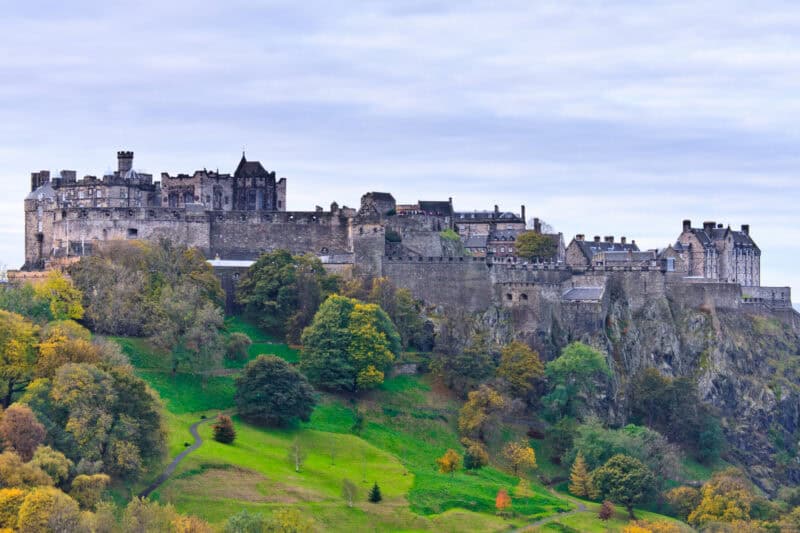
Edinburgh makes solo exploration feel purposeful. You can spend the morning tracing literary connections, climb a hill before lunch, then settle into a pub where people are used to conversation with visitors. The city’s compact centre rewards walking, but its steep streets and changing viewpoints keep each route interesting.
Arthur’s Seat is the obvious climb, while Calton Hill offers a shorter alternative and broad views across the city. Choose your route according to your energy, not what an itinerary tells you to do. Leith, Stockbridge and Bruntsfield offer a more local feel than the Royal Mile, with independent cafés and pubs where you can return more than once and start to feel recognised.
Edinburgh also works well as a base for a day beyond the city. A guided trip to the Highlands, Loch Lomond or the coast removes the stress of planning connections alone and gives you a ready-made group for the day. In August, Fringe performances add another layer of spontaneous culture, from small rooms to unexpected street events.
A good Edinburgh day has three parts, a view, a story and somewhere warm to sit afterwards.
8. Vienna Imperial Grandeur Coffee House Culture and Civilized Solo Living
Vienna is ideal when your perfect solo trip involves culture, order and long pauses. Spend the morning around the historic centre, choose a palace or museum for the afternoon, then sit in a coffee house with a book and let the city carry on around you. You don’t need a packed social schedule to feel part of Vienna.
The coffee house tradition gives solo travellers a comfortable place to linger. Order slowly, write postcards, read or watch the room. For music, check the programme at established concert venues before you arrive, then choose an evening performance that suits your budget and energy rather than treating it as a formal occasion.
Vienna also rewards exploration beyond its grandest streets. Walk through residential neighbourhoods, visit local markets and use trams to connect areas without turning every journey into a logistical task. The city’s neat public transport and clear structure make independent movement straightforward, while its parks offer a reset when the imperial scale becomes tiring.
Choose culture without rushing
Build your day around one major sight, one meal and one open-ended walk. That structure gives you enough direction to avoid drifting, but leaves room for an unexpected gallery, a second café or a conversation with someone you meet at your accommodation.
8 Feel-Good European Cities Compared
City
Implementation complexity
Resource requirements
Expected outcomes
Ideal use cases
Key advantages
London
Moderate, extensive Tube simplifies travel but large scale requires planning
Easy, orderly, well- connected public transport and walkable coffee‑house districts
Moderate (hostels ~€20–35; transport €2.50; museums/concerts €10–60)
Refined, contemplative cultural immersion (coffee houses, classical music, palaces)
Classical-music fans, contemplative solo travelers, cafe culture enthusiasts
Historic coffee‑house tradition, imperial sights, safe and punctual city system
Build Your Own Feel-Good European Itinerary
The right route depends on how much movement feels exciting rather than tiring. A relaxed three-day pairing of Bruges and Amsterdam works because the cities contrast beautifully. Bruges gives you medieval streets, quiet canals and reflective evenings, while Amsterdam adds bikes, museums and a livelier social rhythm. Keep the travel connection simple and avoid treating both cities as checklists.
A balanced five-day route through Paris and London suits a first European city break with plenty of culture and social options. Give each city enough time to settle into its neighbourhoods instead of counting landmarks. In Paris, combine one major museum with a café-led afternoon. In London, pair a free museum with a market and an evening event at your base.
For a fuller seven to ten-day journey, choose a route with stronger contrasts. Berlin, Vienna and Edinburgh combine creative energy, refined culture and dramatic scenery. Barcelona, Paris and Bruges bring Mediterranean atmosphere, art, food and medieval calm. Both routes can work well for solo travellers because each city offers a different way to spend time alone and meet people when you want to.
Allow travel time between cities, especially when you’re carrying luggage or changing accommodation. A journey that looks short on a map can still consume much of a day once you include station transfers, check-in and orientation. Central St Christopher’s bases can help reduce friction in cities where properties are available, particularly when you’re arriving late or leaving early.
Your best destination also depends on the season. Check weather, daylight, local events and expected crowd pressure before booking. Amsterdam’s recent visitor volume shows why central accommodation and attraction planning matter, while Paris’s changing tourist tax shows why the total cost of a room includes more than the advertised nightly rate. For broader inspiration before you plan meals, browse this European cuisine collection.
Don’t try to make every day impressive. Pick one anchor activity, one neighbourhood wander and one low-pressure social evening. That might mean a museum, a market and a drink with new friends, or a hill climb, a café and an early night. Choose the city that matches the mood you need, then let the rest of the trip unfold around that feeling.
St Christopher’s offers central accommodation, clean dorms and private rooms, on-site bars and communal spaces in the European cities featured here. Visit St Christopher’s to find a social base, direct booking perks and a practical starting point for your next solo city break.
Our direct rates are guaranteed to be at least 5% cheaper than anywhere else online, with a free drink on arrival, 25% off food at the bar, and free cancellation options available.